There’s a quiet magic in hunting snowshoe hares—a pursuit that demands more than just marksmanship. It calls for stealth, sharp eyes, and an intimate understanding of the winter woods. With their oversized, snow-distributing feet and seasonally shifting coats, snowshoe hares (Lepus americanus) are perfectly adapted to northern forests, vanishing into the landscape with startling ease. Whether you’re tracking fresh trails after a snowfall or listening for the distant bay of a beagle on the scent, hunting these elusive creatures sharpens every sense and deepens your bond with the wild.
This guide delivers actionable snowshoe hare hunting tips grounded in biology, field observation, and time-tested tactics from seasoned hunters across Alaska, Maine, Minnesota, and beyond. You’ll learn how to locate high-use habitat, read tracks and browse sign, move silently through dense cover, and make clean, ethical shots. We’ll cover gear essentials, dog strategies, weather-based advantages, and even how to prepare the flavorful meat and preserve the valuable pelt. Whether you’re new to small game hunting or refining your winter woodcraft, these strategies will help you succeed while respecting the animal and its ecosystem.
Target Regenerating Forests and Edge Habitats
Finding hares starts with knowing where they live. These animals thrive in early-successional forests—areas recovering from logging, fire, or flooding. Look for dense, brushy growth of spruce, fir, alder, willow, and aspen, typically 5 to 20 years post-disturbance. These thickets provide both food and overhead cover, shielding hares from owls, foxes, and coyotes.
Focus on edge zones, where dense cover meets open feeding areas. Alder swales bordering meadows, cedar swamps near upland ridges, or logging roads cutting through spruce-fir stands are prime spots. Hares feed in open areas at dawn and dusk, then retreat into thick timber when threatened. Use topographic maps to identify low-elevation bottomlands, beaver-influenced wetlands, and recent timber harvests—microhabitats that consistently support high hare densities.
In states like Maine and Minnesota, hare populations increase as you move north, where boreal forests dominate. Public lands managed by state agencies—such as Maine’s Wildlife Management Areas or New Hampshire’s White Mountain National Forest—offer vast access, while commercial timberlands often allow free hunting with landowner permission.
Read Tracks, Trails, and Feeding Sign
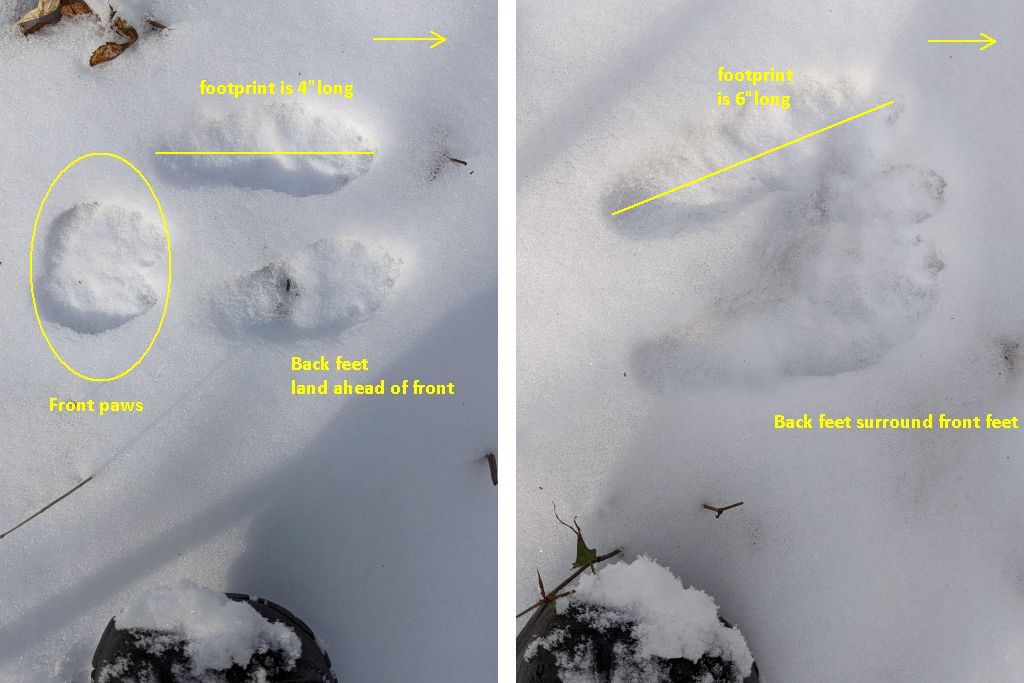
Since snowshoe hares freeze when approached, you’ll often detect them by the clues they leave behind. After a fresh snowfall, their movements become visible: large hind feet (3–4 inches) land ahead of smaller front prints in a distinctive “two-by-two” gait. Follow these trails carefully—walk alongside them, not on top, so you can recover the track if you lose it.
Look for active runways—narrow paths worn through brush and under conifers. These are the hare’s highways, used repeatedly for feeding and escape. Fresh signs include:
– Moist, dark droppings scattered along the trail
– Clean-cut twigs nipped at 12–18 inches high (a sign of recent browsing)
– Shallow bedding forms under logs or low branches
Distinguish fresh sign from old: crisp-edged tracks indicate overnight movement, while wind-rounded prints suggest older activity. Focus on areas showing recent use—especially after storms, when hares emerge to feed more actively.
Still Hunt with Precision and Silence
Still hunting is the most effective solo method. Move slowly through core cover, pausing every 10–15 steps to scan. Hares have a home range of 20–30 acres but concentrate in a 3–4 acre core. Work these zones methodically, keeping your eyes low and profile crouched.
Wear snowshoes to glide over deep snow without post-holing. This “snowshoe sneak” reduces noise and vibration, increasing your chances of catching a frozen hare off guard. Step on downed logs or packed trails when possible, and avoid snapping twigs. Keep your rifle ready and muzzle clear of snow.
Because of their white winter coats, hares are nearly invisible—so watch for subtle movement: a twitch of the ear, a blink of black eyes (“look for the marbles”), or a slight shift in posture. Scan bases of trees, root tangles, and under blowdowns. Dappled sunlight areas in midday are particularly productive, as hares often rest in these warm, sheltered spots.
Conduct Smart Hare Drives with Multiple Hunters
Drives work best with 2–3 hunters. Position blockers at natural funnels—logging roads, creek crossings, or dense thickets where hares tend to loop back. Stand 10–15 yards apart, scanning silently downwind.
The pusher moves slowly through brush, forcing hares to run. Walk perpendicular to the wind, 20–30 yards behind blockers, and avoid loud talking. When a hare bolts, it often peels off sideways—so keep your gun up. Many hares circle back across their own tracks after being flushed. If you miss, wait 10 minutes, reverse the drive, and you may catch the same hare again.
Hunt with Dogs to Unlock Hidden Hare Patterns
Dogs transform hare hunting from passive to dynamic. Beagles and bassets are traditional choices—their loud, musical baying reveals hare locations and direction. Follow at a steady pace; don’t rush the dog. As the chase unfolds, anticipate where the hare will turn or cross a trail. Set up at choke points downwind and wait.
Each run teaches you local behavior: how far hares run before doubling back, which thickets they favor, and where they cross roads. Use this intelligence to refine future stand locations. Even small chase dogs like spaniels or labs can be effective, especially in open areas.
Exploit Weather to Your Advantage
Weather dramatically influences hare behavior. Storms, wind, or light snow reduce a hare’s ability to hear and see, making them easier to approach. Hunt during these conditions—dress in waterproof layers and keep optics dry.
Avoid crisp, clear mornings, when sound carries far and hares freeze tight at the slightest noise. Wait until cloud cover rolls in or wind picks up. Early thaw periods are golden: when snow melts but hares are still white, their contrast against bare ground makes them highly visible. Target south-facing slopes, open fields, and wetland edges during this narrow window.
Use Sound to Flush or Stop a Running Hare
Strategic noise can trigger movement or create shot opportunities. A sharp hand clap or whistle may cause a fleeing hare to pause mid-leap—use that split second to line up a shot. In thick cover, light stomping or tapping branches can flush a nervous hare before it sees you.
Even a distant shotgun report from another hunter may cause hares to freeze. Use sound wisely, especially when still hunting or sitting near known runways.
Gear Up for Deep Snow and Bitter Cold
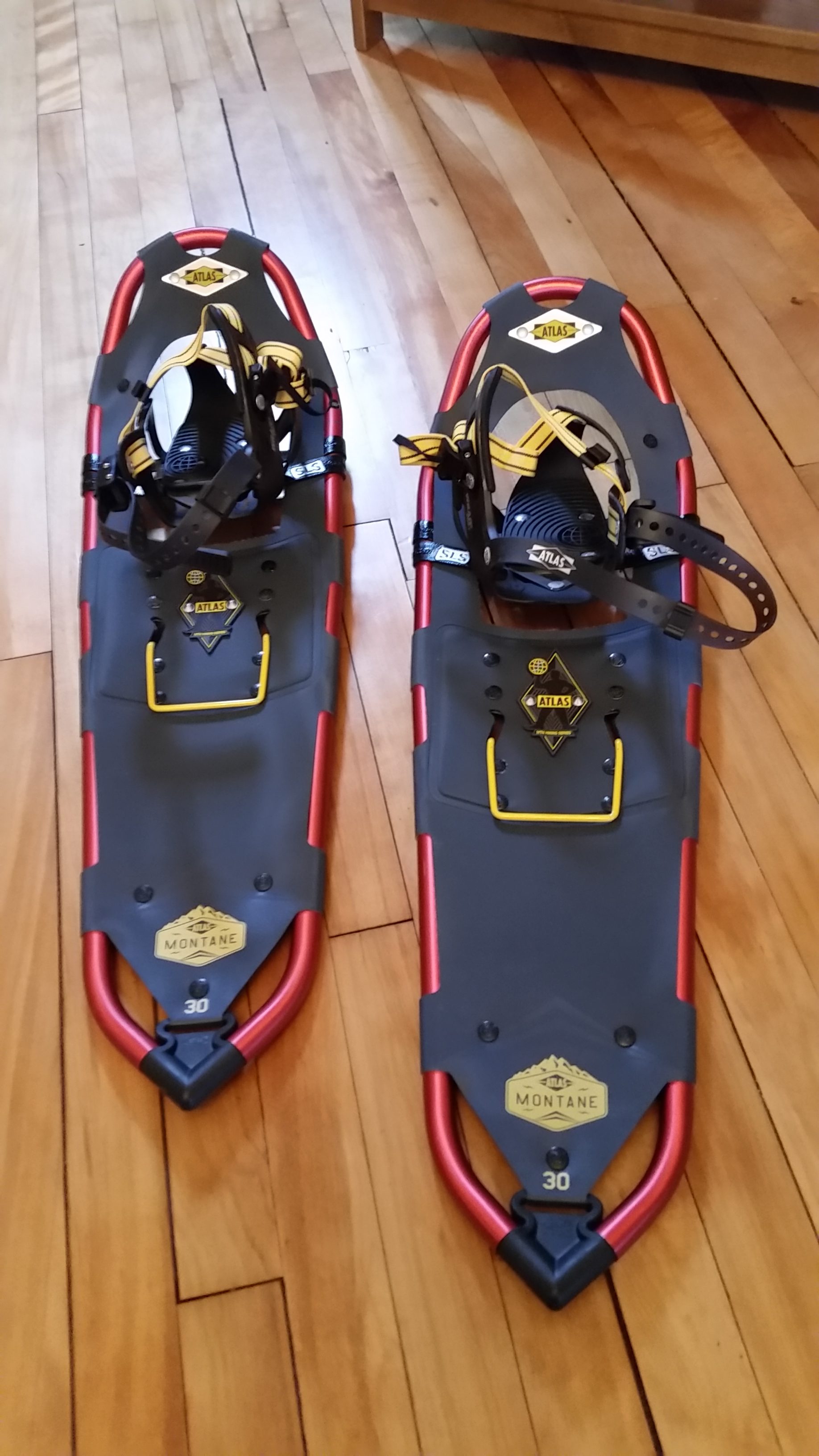
Success starts with preparation. Snowshoes are essential in deep drifts—models like the Atlas Montane offer durability and flotation, while traditional bear paw designs excel in tight cover. Ensure bindings are secure and crampons grip ice.
Dress in layers: a merino wool base, fleece mid-layer, and windproof outer shell keep you warm and dry. Add mittens, a balaclava, and a full-brimmed hat. Pack a day bag with hot coffee, high-calorie snacks, extra ammo, GPS, fire-starting kit, and a cleaning rod.
Don’t forget flea spray and 8-gallon trash bags—hares carry fleas year-round. Spray the pelt, seal it in the bag, and leave it in the cold for 1–2 hours to kill parasites before transport.
Choose the Right Firearm and Practice Precision
A .22 LR is ideal for clean head shots. Use bolt-action or lever-action rifles—they’re reliable in cold weather. Opt for copper-plated or hollow-point ammo for quick expansion. Practice head shots at 50 yards; aim for the eye or base of the skull.
For versatility, consider a .22/.410 combo gun like the Savage 24. Use the .22 for stationary hares and the .410 for running shots, especially with dogs.
Always check your muzzle for snow plugs—tape or a balloon can prevent blockage, but replace it after each shot. Never assume your barrel is clear.
Field Dress and Preserve the Meat Properly
Skin the hare immediately. Cut around the hind legs and peel the pelt forward. Remove backstraps and legs before opening the cavity—never slice into the stomach. Work on a clean surface with a sharp knife.
Soak all meat in cold saltwater for 8+ hours to draw out blood and reduce gamey flavor. Change the water once if possible. This step dramatically improves taste and tenderness.
Cook Hare for Maximum Flavor
Due to its leanness, hare meat benefits from slow, moist cooking. Braise with wine, garlic, and mustard sauce, or make a rich hare, leek, and potato soup. For a modern twist, try tequila-lime hare tacos—marinate, grill, and serve with fresh slaw.
Always cook with fat—wrap in bacon or use duck fat to prevent dryness. Roast with broth in the pan, covered in foil, at 325°F for 1–1.5 hours.
Hunt Ethically and Sustainably
Snowshoe hare populations follow 10-year cycles. During low years, rotate hunting areas and impose personal limits (e.g., 5–6 hares per season). Leave some “for seed” to sustain the population.
Use all parts: eat the meat, save the pelt for fly-tying (excellent for smolt and flesh flies), and dry the feet in borax for split-tail patterns or charms. Support habitat conservation—sustainable logging, controlled burns, and beaver restoration create the young forests hares depend on.
Final Tips from Veteran Hunters
- Persist: “Chase them enough, and sometimes you get lucky.”
- Hunt midday in storms—hares feed more actively when weather turns.
- Let dogs teach you—their baying reveals patterns maps can’t show.
- Respect the chase—snowshoe hare hunting is as much about skill and solitude as it is about the harvest.
With these snowshoe hare hunting tips, you’re equipped to master one of winter’s most elusive and rewarding small game pursuits. Stay sharp, move quietly, and let the woods reveal their secrets.


0 Comments