A high-performing hunting dog deserves more than a chain and a flimsy shelter. For serious hunters and trainers, a well-designed hunting dog kennel is a critical part of the operation—a place where your canine partner recovers, stays healthy, and remains mentally sharp between hunts. The best hunting dog kennel ideas go beyond basic containment. They blend durability, comfort, and smart design to create a space that supports your dog’s physical needs and behavioral instincts.
Today’s top kennels feature sloped concrete floors, chew-proof walls, indoor-outdoor access, and year-round climate control. Whether you’re housing one loyal retriever or managing a multi-dog training facility, the right setup improves hygiene, reduces stress, and simplifies daily care. Based on insights from professional breeders, experienced trainers, and real-world dog owners, the most effective kennels are built with purpose—using materials that resist chewing, digging, and harsh weather, while supporting easy cleaning and long-term maintenance.
In this guide, you’ll discover proven hunting dog kennel ideas that balance practicality and performance. From layout planning and material selection to climate control and enrichment, these strategies will help you build a kennel your dog actually wants to go into—and that you can trust for years to come.
Plan Your Kennel Layout First
Choose the Right Configuration
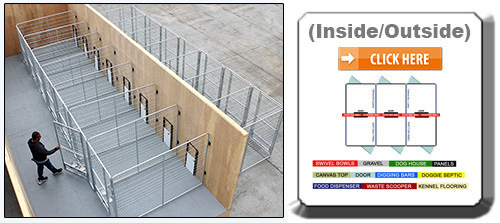
The right kennel layout depends on your number of dogs and how you use them. For single-dog owners, a compact 6 ft x 8 ft run with an attached insulated shelter is often sufficient. Larger breeds like Labrador retrievers or Weimaraners benefit from 8 ft x 10 ft runs to stretch and move comfortably.
For multiple dogs, individual runs with shared walls are ideal. This setup prevents territorial conflicts while reducing stress from visual overstimulation. Avoid open communal pens—excitable or dominant dogs can clash without proper separation.
Popular configurations include:
– Linear runs along a garage or shed – Easy access and indoor-outdoor flow
– Clustered standalone units – Great for large properties
– Stacked kennels – Save space in tight areas
– Integrated training yards – Add agility drills or dummy zones next to runs
Pro Tip: Larger runs aren’t just about space—they encourage natural movement, which helps prevent joint stiffness and boredom.
Design for Indoor-Outdoor Access
Top-tier kennels offer indoor-outdoor hybrid access, giving dogs the freedom to choose shelter or fresh air. This setup is especially valuable for whelping bitches, older dogs, or those recovering from injury.
Use a barn, shed, or custom structure with:
– Insulated walls and ceiling
– Fiberboard lining (chew-proof and easy to clean)
– Doorways connecting to each run
– Storage for food, leads, and gear
Brandon Troyer, KT Custom Barns: “We insulate the barn and add fiber board—no edges for dogs to chew, and it cleans up fast.”
Pick the Best Location
Avoid Wet, Windy Spots
Place your kennel on high, well-drained ground to prevent flooding and muddy paws. Avoid low-lying areas where water pools after rain. A slight floor slope (1–2%) directs runoff to a drain or trench.
Shield the kennel from prevailing winter winds—in most of the U.S., that means blocking northeast exposure. Use natural windbreaks like trees, fences, or existing buildings. Position the shelter so the entrance faces south or east for morning sun and warmth.
Keep it close to your home or garage for easy monitoring, feeding, and bonding. Dogs left too far away may bark more or feel isolated.
Use Shade and Sun Wisely
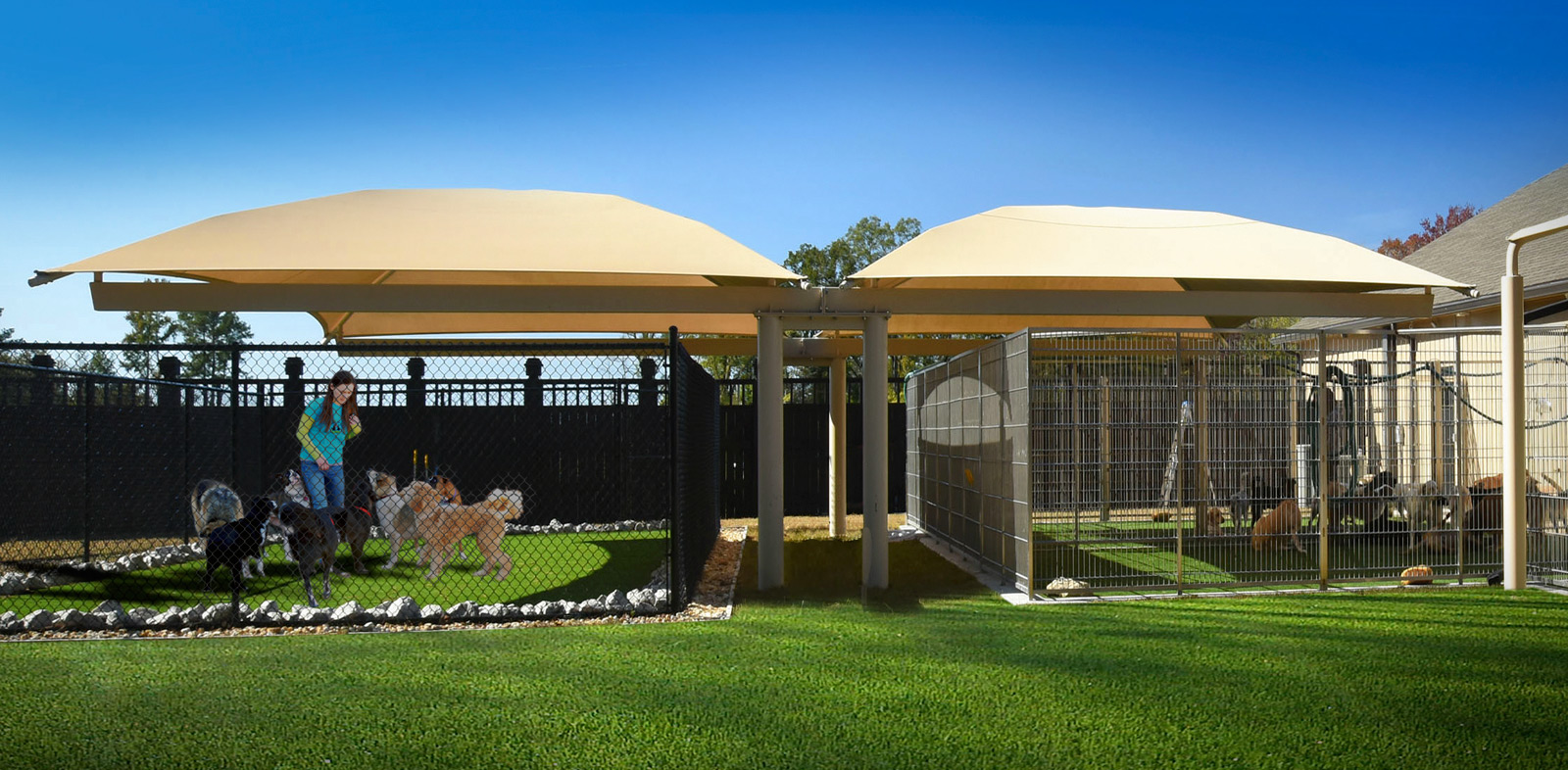
In hot climates, shade is non-negotiable. Install awnings, roof overhangs, or 50–70% UV-blocking shade cloths over runs. In winter, however, you want sun exposure to help warm the space naturally.
User hack: Attach runs under a 3 ft. garage overhang—adds instant cover and cuts building costs.
Build with Durable Materials
Use Concrete for Floors
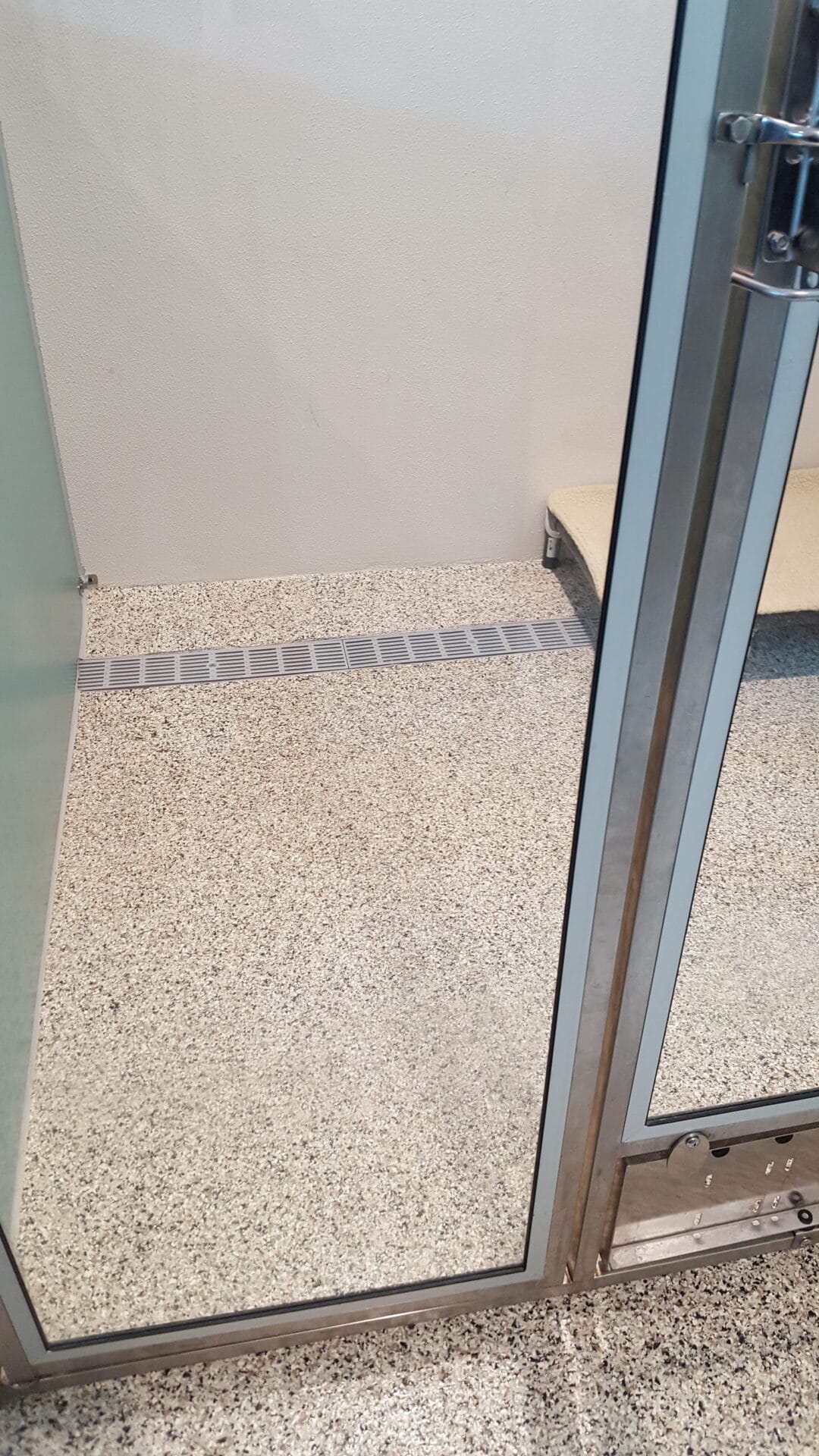
Concrete is the gold standard for kennel flooring. It’s durable, easy to hose down, and stops dogs from digging. Pour it with a 1–2% slope toward a drain or trench system. Seal it to resist stains and moisture.
Alternatives:
– Gravel with French drain – Cheaper but harder to clean
– Rubber mats over concrete – Adds comfort and insulation
– Raised wooden platform – Keeps dogs off damp ground
birddude: “Concrete beats limestone gravel—way more comfortable for the dogs.”
Choose Chew-Resistant Walls
Avoid materials dogs can destroy. Galvanized chain link is strong and affordable but can be chewed at the posts. Polymer-coated wire panels resist chewing and rust—ideal for long-term use.
For walls:
– Treated cedar looks great but needs upkeep
– Metal siding fails fast—male dogs will urinate on it and chew through over time
Warning: “Male dogs will eat up metal siding in a few years.” — birddude
Add Secure Dividers
Use polymer or solid panels between runs—never tarps, which shred fast. Dividers let you separate aggressive dogs, house a whelping bitch, or quarantine a sick dog. Make them removable for flexible use.
Insulate for All Seasons
Build Warm, Den-Like Shelters
Each run needs a weatherproof, insulated shelter. Aim for at least R-10 insulation in walls and roof. Keep it small—just big enough for the dog to stand, turn, and lie down. Smaller spaces retain heat better.
Add a partial corner divider just inside the door. It creates a wind-blocking “den” where the dog can tuck in and stay warm.
birddude tip: “Add a divider so the dog turns a corner when entering—blocks cold air and feels secure.”
Upgrade to a Heated Dog Barn
For serious hunters or breeders, a fully insulated dog barn is worth the investment. It can include:
– Heated floors or radiant panels
– Mini-split HVAC for heating and cooling
– Fiberboard-lined interior
– Storage and whelping areas
KT Custom Barns: Average cost is $8,500, but it’s a turnkey solution for long-term use.
Control the Climate
Beat the Heat
In summer, dogs can overheat fast. Protect them with:
– Shade structures (awnings, pergolas, roof extensions)
– Misting fans or evaporative coolers
– Ceiling fans for airflow
– Elevated beds or cooling mats in shelters
Keep water stations in the shade and refill daily.
Survive the Cold
In winter, insulation isn’t enough. Add:
– Heated floor mats (chew-proof cords only)
– Ceramic heat lamps (mounted high and shielded)
– Straw bedding – Warm and absorbent (replace often)
– Windbreaks on the north and west sides
Mistake to avoid: One owner found a pile of ice inside his kennel after a snowstorm. Roof overhangs must be long enough to block snow and rain.
Install Smart Drainage and Sanitation
Slope Floors and Add Drains
Concrete must slope 1–2% toward a floor drain or trench. Without it, urine and rainwater pool—leading to odor, bacteria, and slippery surfaces.
Use perimeter drainage strips or dig a trench with a perforated 55-gallon drum buried underneath. Hose waste into the system for easy disposal.
User innovation: “I dug a trench the full length, buried a holed drum—now I just wash everything into it.”
Clean Daily, Not Weekly
Most hunting dogs are clean by nature—especially if crate-trained early. But you still need a daily cleaning routine:
– Remove waste
– Refresh bedding
– Rinse floors with a hose
– Disinfect with pet-safe cleaner
Best practice: If your dog is house-trained, they’ll likely avoid eliminating in their kennel—just like indoors.
Add Enrichment and Function
Integrate a Training Yard
Turn your kennel area into a skills maintenance zone. Attach a fenced yard with:
– Retrieve dummies or bumpers
– Low jumps or weave poles
– Obedience command drills
Even 10 minutes a day keeps your dog sharp and focused.
Design win: “Add a dummy toss zone next to the run—no extra trips to the field.”
Install Automatic Water and Feeding Stations
Use heated automatic waterers in winter to prevent freezing. In hot climates, insulated or shaded bowls keep water cool.
For multi-dog setups, place elevated bowls to prevent ground contamination. Add backup water in case of line failure.
Critical: Fresh water must be available 24/7—especially in summer.
Include Secure Storage
Attach a lockable cabinet or small room to store:
– Dog food and treats
– Leashes, collars, GPS trackers
– Hunting vests and first aid kits
– Medications
Keeps everything dry, organized, and ready to go.
Lock It Down: Security That Works
Prevent Escapes
Use double-door entry systems or slide-bolt latches—simple hooks won’t stop a determined dog. Add padlocks if wildlife or people are a concern.
Install dig guards:
– Bury 2 ft. of wire mesh underground
– Pour a concrete lip around the perimeter
birddude: “Install an underground fence. Best money I ever spent!”
Add Surveillance
For remote monitoring, install weatherproof cameras with night vision. Check in from your phone when you’re away. Some systems even alert you if barking spikes.
Train Dogs to Love the Kennel
Start Crate Training Early
Puppies trained in crates (8–12 weeks old) adapt best to outdoor kennels at 4–6 months. They treat the kennel like a den—quiet, clean, and stress-free.
westksbowhunter: “I crate train all my pups… my dog didn’t bark more than 6 times in 12 years.”
Expect Natural Behaviors
Some male dogs mark territory—even in clean kennels. This is normal, not a training failure. Neutering reduces it, but doesn’t eliminate it.
Budget Smart: DIY vs. Custom
Compare Build Options
| Option | Cost | Best For |
|---|---|---|
| Custom-built (pro) | $6,000–$12,000+ | Breeders, trainers, full barns |
| DIY concrete run | $1,500–$3,000 | Single or dual-dog owners |
| Hybrid build | $3,000–$6,000 | Build frame yourself, hire for roof/electrical |
KT Custom Barns averages $8,500 for a turnkey insulated dog barn with runs.
Save with Smart Upgrades
- Phase your build: Start with shelter and floor, add runs later
- Repurpose materials: Use old decking, livestock crates, or shed walls
- Prioritize: Spend on concrete, insulation, and security first
The best hunting dog kennel ideas create a space where your dog thrives—not just survives. With proper insulation, drainage, security, and enrichment, your kennel becomes a true home base. Whether you’re building one run or a full dog barn, focus on durability, comfort, and ease of care. Your dog puts in the work in the field—give them a kennel that earns their trust every day.
0 Comments