Cold feet can end a hunt before it even begins. No matter how well-prepared you are with gear, scouting, or strategy, numb toes will force you out of your tree stand or ground blind faster than any buck spooked by wind. For late-season and backcountry hunters, foot warmth isn’t about comfort—it’s mission-critical. When temperatures drop below freezing, staying in the field longer than your competition often comes down to one thing: keeping your extremities warm.
The good news? Cold feet are preventable. They’re not a fact of winter hunting life—they’re the result of avoidable mistakes in moisture control, boot fit, circulation, and heat retention. This guide delivers a science-backed, field-tested system used by seasoned cold-weather hunters to stay warm in subzero conditions. From pre-hunt prep to in-stand adjustments, you’ll learn how to stop cold feet before they start—so you can stay focused, mobile, and in the game.
Stop Sweat Before It Starts: Dry Feet Begin at Skin Level
Moisture is the silent killer of foot warmth. Even a small amount of sweat inside your boot triggers evaporative cooling, rapidly drawing heat from your skin. Once damp, insulation fails—fast. The first line of defense isn’t socks or boots—it’s your skin.
Apply Antiperspirant to Dry Feet Before Socks
Use unscented antiperspirant (like Mitchum) on clean, dry feet before putting on socks. This reduces sweat production during your walk to the stand—exactly when your feet are working hardest and most likely to dampen your socks.
- Apply in the morning and let it dry completely before slipping on socks.
- Only antiperspirant works—deodorant masks odor but doesn’t block sweat.
- Reapply every 24 hours for multi-day hunts.
Pro Tip: This isn’t just for underarms. Alpine climbers, Arctic explorers, and military personnel use this trick to prevent frostbite. If it works on Everest, it’ll work in your deer stand.
This simple step keeps your feet drier from the start, preserving insulation and delaying the onset of cold for hours.
Choose One Thick Merino Sock—Not Two Thin Ones
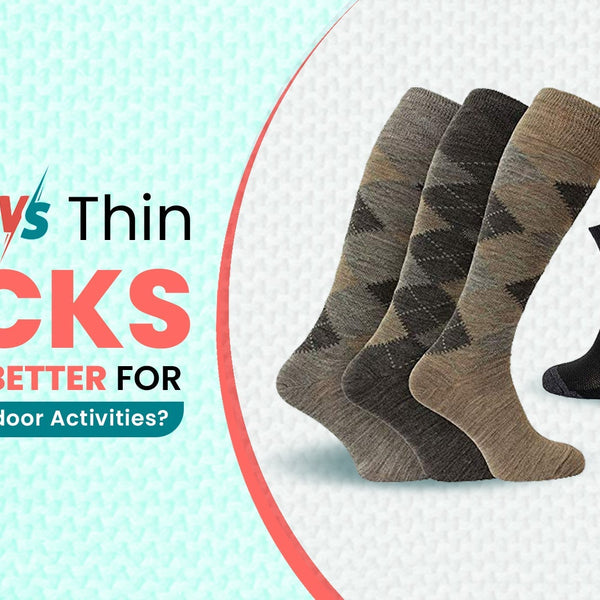
The instinct to stack socks is understandable—but wrong. Wearing two pairs often does more harm than good.
Why Multiple Sock Layers Hurt More Than Help
- Two layers compress your foot, reducing blood flow.
- Restricted circulation = colder toes.
- Trapped moisture between layers creates a damp microclimate.
Instead, wear one thick, knee-high merino wool sock. Merino:
– Wicks moisture away from skin
– Regulates temperature
– Resists odor
– Maintains insulation even when slightly damp
“One thick Merino wool sock beats two thin layers. Two layers compress the foot, restricting blood flow.” — John Barklow
Use Liner Socks Only If You Sweat Heavily
If you’re a heavy sweater, combine:
– Polypropylene or silk liner sock (wicks moisture)
– + Thick merino outer sock (insulates)
Never wear cotton. It absorbs sweat, holds it against your skin, and conducts cold—making it the worst possible choice for cold-weather hunting.
Top Sock Picks:
– First Lite Zero Cold Weather OTC Sock
– Woolpower 800g Socks – unmatched warmth-to-weight
– Sika Socks – maintain shape, don’t sag when wet
– Lenz or Ororo Heated Socks – battery-powered warmth for extreme cold
Size Up: Wear Boots 1–2 Sizes Larger Than Normal
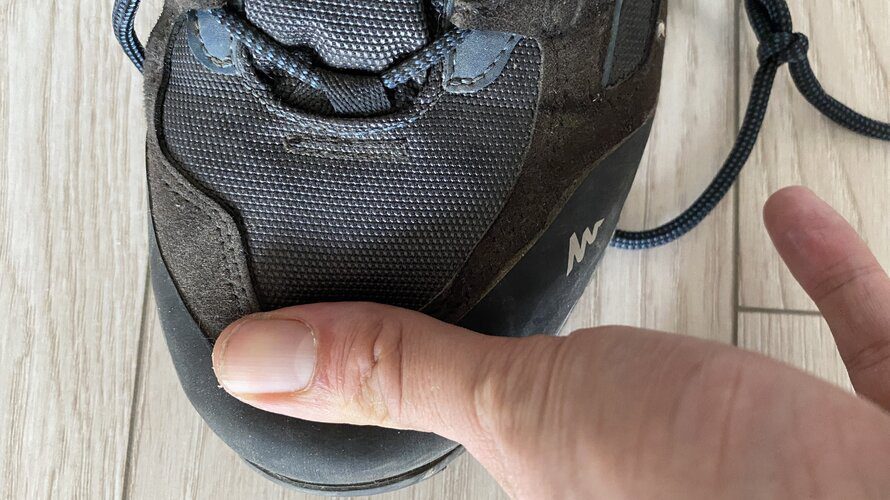
Even the best-insulated boot won’t keep you warm if it’s squeezing your toes.
Why Proper Fit Is Non-Negotiable
- Tight boots restrict blood flow.
- Restricted circulation = cold toes.
- Your toes should wiggle freely—no touching the toe box.
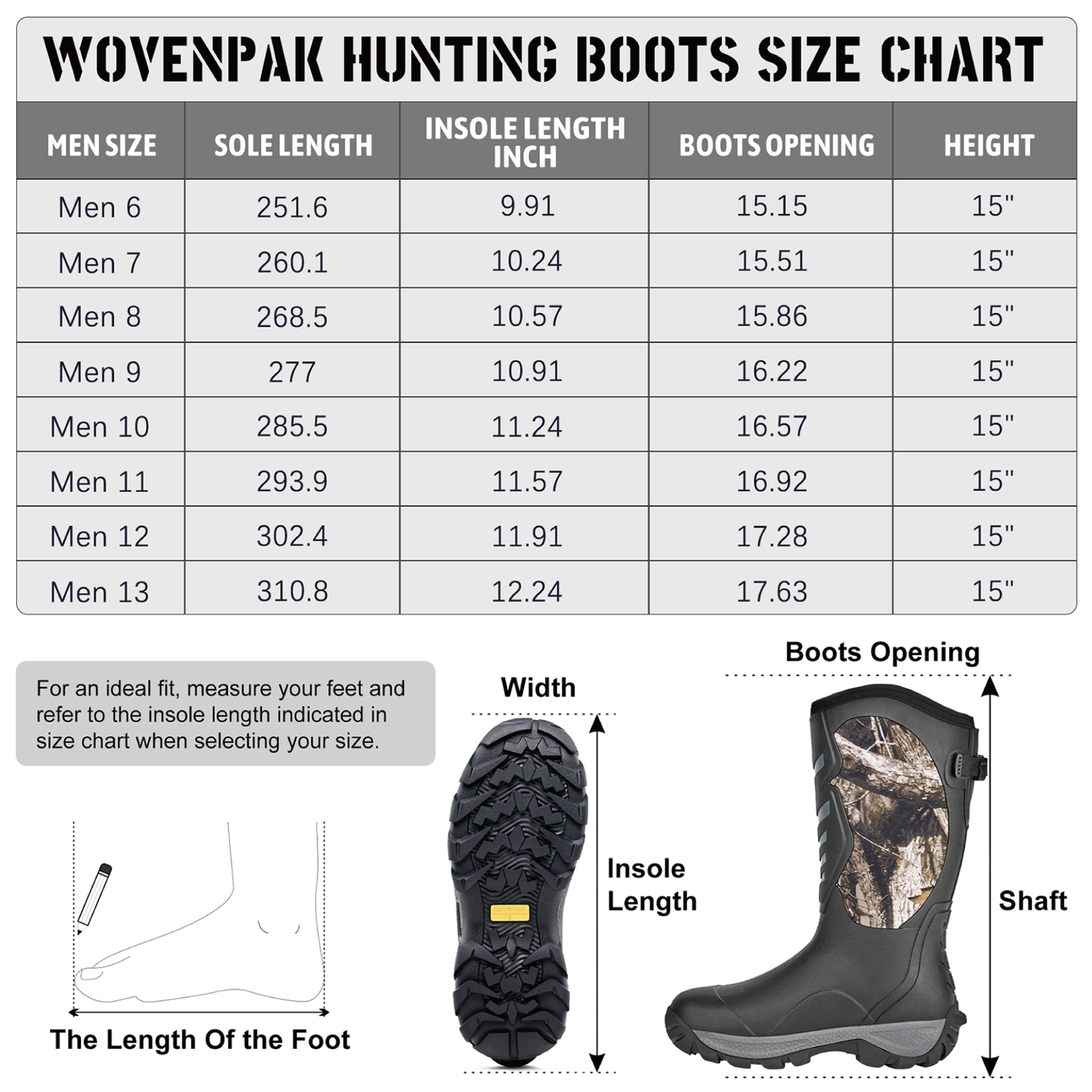
Wear boots 1–2 sizes larger than your street size to accommodate thick socks and create trapped air space, which acts as natural insulation.
“If your toes are touching your toe box, you’re just conducting heat straight out through the material.” — Article 1
Key Boot Features for Cold Weather
| Feature | Why It Matters |
|---|---|
| 1600–2000g Thinsulate | Maximum warmth without bulk |
| Wide Toe Box | Prevents circulation loss |
| Hard Sole | Reduces fatigue on long sits |
| Waterproof Membrane | Keeps out snow, slush, and creek water |
Best Boot Types by Use Case
| Type | Best For | Top Models |
|——|——–|———–|
| Pac Boots | Static sits in deep cold | Lacrosse Hunt Pac Extreme, Kenetrek Northerns |
| Rubber Insulated | Wet terrain | LaCrosse Alphaburly Pro, Muck Arctic |
| Mountaineering | Long hikes, backcountry | Schnees, Crispi Elan |
| Bunny Boots | -20°F and below | Military surplus “Mickey Mouse” boots |
Change Socks at the Stand—Before the Cold Sets In
Starting your sit with damp, sweaty feet guarantees cold toes within an hour.
The Field Sock Swap Routine
- Hike in lightweight socks (synthetic or thin wool).
- At your stand or blind:
– Remove boots
– Let feet air dry for 1–2 minutes
– Put on dry merino wool socks
– Re-lace boots loosely
“I always carry extra merino socks. After I get settled, I change. Instant warmth.” — Article 1
Pack spare socks in a sealed ziplock bag to keep them dry.
Loosen Laces When Sitting—Boost Circulation Instantly
Tight laces crush circulation—especially during hours-long sits.
How to Improve Blood Flow Without Losing Support
- Once stationary, loosen laces from midfoot down.
- Keep ankle support tight, but release pressure over toes and instep.
- Re-tighten before moving.
“I loosen laces for the sit, then tighten when I move.” — JohnB
This one move can prevent numbness and extend your sit by hours.
Block Conductive Heat Loss with a Foot Pad
Even the warmest boots fail if your feet are on cold metal or snow.
Use an Insulating Foot Pad
Place a foam pad, carpet scrap, or rubber mat under your feet in:
– Tree stands (metal platforms)
– Ground blinds
– Snow-covered terrain
“A small foam ground pad on the metal grate… interrupts conductive heat loss and makes a dramatic difference.” — John Barklow
Secure it with zip ties or tape to prevent shifting.
Add Overboots for Extra Warmth—Like a Sleeping Bag for Your Feet
Overboots add insulation without changing boots.
Top Overboot Options
| Model | Key Benefit |
|---|---|
| Arctic Shield Boot Blankets | Lightweight, holds hand warmers |
| Wiggy’s Overboots | Vibram sole—great for movement |
| OR Crocodile Gaiters | Windproof, durable |
| DIY Wool Sock Overboots | Cut toes off large wool socks, slide over boots |
Insert hand warmers into overboots for active heating.
“Arctic Shield boot blankets… throw some hand warmers down in them and feet stay warm.” — Article 1
Use Heated Solutions Wisely: Chemical and Electric Warmth
Heat can be game-changing—if used correctly.
Chemical Warmers: Activate at the Right Time
- Toe warmers: Stick to sock over toes—activate only when feet start to cool.
- Hand warmers: Place in overboots or boot blankets.
- Use 12-hour or large-size warmers for long sits.
“Waiting to activate… just before my toes really start to get cold, then they can save the day.” — Article 5
Never activate warmers at the start—they’ll burn out too soon.
Electric Options for Extreme Cold
- Heated socks (Ororo, Lenz): USB-rechargeable, 3–8 hour runtime.
- Heated insoles: Fit inside boot, consistent warmth.
- Battery care: Keep batteries warm in a pocket until needed.
“Electric heated boot inserts are a luxury, but they’re life-changing.” — User10
Warm Your Core to Save Your Toes
Cold feet often start with a cold core.
Heat Your Torso, Not Just Your Feet
- Place hand warmers on kidneys, heart, or neck.
- A warm core reduces vasoconstriction, improving blood flow to extremities.
Wyetterp’s Method: 3 x 12-hour Hothands
– Two on kidneys
– One on heart
Result: “Hands and toes stay more than warm.”
Wear a puffy jacket, hat, and insulated pants to retain core heat.
Move to Stay Warm: Circulation Through Movement
Stillness kills circulation. Combat it with subtle movement.
Perform These Every 30–45 Minutes
- Toe curls and extensions
- Ankle rolls
- Heel lifts
- Leg muscle flexing
These tiny motions boost blood flow without spooking game.
“Move your feet. Curl your toes back and forth, shift weight… all can be performed unseen.” — Article 5
Field-Tested Warmth Systems
System 1: Treestand Warmth (Maverick1)
Best for: Long sits in 20°F or below
Setup:
1. Hike in lightweight boots (XTRATUF, hikers)
2. Change to dry merino sock at base
3. Put on:
– Feathered Friends Down Booties
– Arctic Shield Boot Blankets with hand warmers
4. Store boots in plastic bag
“Feels like a slipper—great for sits, not for movement.” — Article 7
Result: Warm feet at 17°F, 5°F wind chill for 3+ hours.
System 2: Backcountry Glassing
Best for: Alpine, snow, long glassing sessions
Components:
– North Face ThermoBall Booties or Outdoor Vitals LoftTek
– Hand warmers inside booties
– Foam pad under feet
– Puffy pants and beanie
“Take off boots, put on Thermoball booties, hand warmer in each—working well.” — Squirrels
System 3: Saddle Hunter Setup
Best for: ROS hunting, leaning positions
Gear:
– Lightweight hiking boots
– Wiggy’s Overboots (Vibram sole)
– Lamalite Socks
– Hand warmers inside overboots
“Hard sole great for leaning, but outer material is noisy.” — Article 7
Pre- and Post-Hunt Routines
Pre-Hunt Prep Checklist
- Dry boots overnight with a boot dryer (Graaw, DryGuy)
- Preheat boots with warm Nalgene bottles or heated rocks
- Pack:
- Extra dry socks (ziplock)
- Toe/hand warmers
- Foam pad
- Antiperspirant
- Overboots
“Warm up small rocks with a fire, put in boots to preheat and dry.” — GoatPackr
Post-Hunt Foot Care
- Remove and dry sock liners immediately
- Air out boots—never store damp
- Use a boot dryer to prevent mold and maintain insulation
- Inspect seams and zippers on pac boots
Avoid These Common Mistakes
| Mistake | Result | Fix |
|---|---|---|
| Cotton socks | Wet feet, rapid cooling | Use wool or synthetic only |
| Over-tight laces | Reduced circulation | Loosen when sitting |
| Too many socks | Compressed foot, less blood flow | One thick sock or liner + outer |
| Starting with sweaty feet | Guaranteed cold toes | Change socks at stand |
| Bare metal platform | Conductive heat loss | Use foam or carpet pad |
| Early warmer activation | Burnout before needed | Wait until feet begin to cool |
Special Cases & Extreme Conditions
For Youth Hunters
- Warm feet = happy hunter.
- Use overboots, chemical warmers, and supportive boots.
- Shorter sits with movement breaks.
- Comfort ensures they’ll want to come back.
For -20°F and Below
- Bunny Boots (Mickey Mouse Boots): Military-grade insulation.
- Double warmers: Toe warmers + hand warmers in overboots.
- Heated vest: Keeps core warm, boosts extremity circulation.
- Insulated seat and foot pad.
For Wet Conditions
- Knee-high rubber boots (LaCrosse Alphaburly Pro).
- Waterproof gaiters.
- Liner socks to manage internal moisture.
- Change socks at stand.
Complete Cold-Weather Foot Warmth Protocol
- Apply antiperspirant to dry feet in the morning.
- Hike in light socks to absorb sweat.
- Change to dry merino wool socks at your stand.
- Loosen boot laces to boost circulation.
- Place foam pad under feet to block conduction.
- Add overboots with hand warmers.
- Use heated socks or insoles in extreme cold.
- Move feet every 30–45 minutes.
- Warm your core with hat, puffy, and torso warmers.
- Dry boots after hunt—use a boot dryer.
“Cold feet aren’t inevitable—they’re a problem of conduction, poor fit, moisture, and restricted circulation.” — Article 4
With this system, you’ll stay in the field longer, stay focused, and stay in the game—no matter how cold it gets.

0 Comments