Few dogs match the raw instinct and specialized skill of hunting hounds. Whether tracking a raccoon through dense forest or chasing a hare across open fields, breeds of hunting hounds are built for one purpose: the hunt. These dogs fall into two main categories—scenthounds, which rely on an extraordinary sense of smell, and sighthounds, which use sharp vision and explosive speed. From the deep baying of the Bloodhound to the silent sprint of the Whippet, each breed brings unique strengths to the field.
If you’re considering a hunting companion—or simply want to understand what makes these dogs so effective—this guide breaks down the top breeds of hunting hounds, their abilities, temperaments, and care needs. You’ll learn which dogs thrive in packs, which demand secure fencing, and which can double as family pets. Most importantly, you’ll discover how their ancient instincts still shape their behavior today.
Let’s dive into the world of hounds—where nose, speed, and endurance rule.
Scenthounds vs Sighthounds: Key Differences
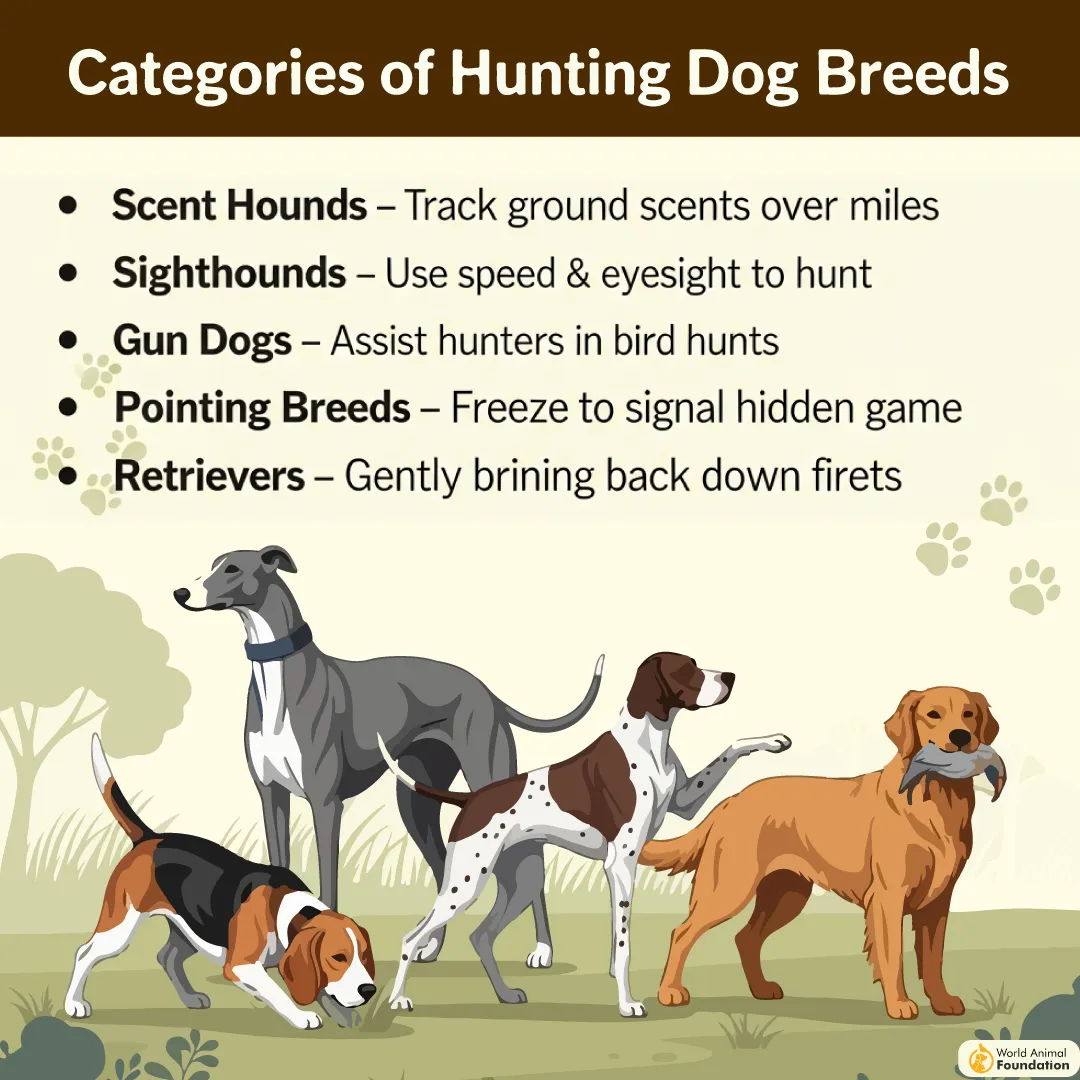
Understanding the two main types of hunting hounds is essential for choosing the right breed. While both are hunters, their methods, physical traits, and training needs differ significantly.
Scenthounds: Masters of the Trail
Scenthounds track prey by following scent trails, often over long distances and through difficult terrain. They’re known for stamina, loud vocalizations, and an unshakable focus once on a trail.
Top breeds: Beagle, Bloodhound, Coonhounds, Basset Hound, Dachshund
Best for: Tracking, treeing game, pack hunting, search-and-rescue
These dogs have some of the most powerful noses in the animal kingdom. The Bloodhound, for example, can follow a trail over 130 miles long and 300 hours old. Their long ears and loose facial skin help trap scent particles, enhancing their tracking ability.
Scenthounds often bay—a deep, resonant sound that helps hunters locate them in thick woods. This trait makes them excellent working dogs but can be a challenge in residential areas.
Sighthounds: Speed and Silence
Sighthounds rely on vision to spot and chase prey. Built for explosive speed and agility, they’re often silent until the chase begins.
Top breeds: Greyhound, Whippet, Saluki, Borzoi, Afghan Hound
Best for: Coursing, open-field hunting, lure racing, quiet companionship
These dogs are sleek, with deep chests for lung capacity and long legs for stride. The Greyhound can reach speeds up to 45 mph, making it one of the fastest land animals.
Unlike scenthounds, sighthounds are generally quiet and calm indoors. But their high prey drive means they’ll bolt after any small animal that moves—so secure fencing is non-negotiable.
Which Type Is Right for You?
| Factor | Scenthounds | Sighthounds |
|---|---|---|
| Noise Level | Loud (baying common) | Quiet (rarely bark) |
| Trainability | Stubborn, independent | Sensitive, less biddable |
| Exercise Needs | High endurance walks | Short sprints + mental work |
| Best Environment | Rural, wooded areas | Fenced yards, open spaces |
| Family Pet Potential | Moderate to high (Beagle, Basset) | High (Greyhound, Whippet) |
Choose a scenthound if you want a vocal, determined tracker. Opt for a sighthound if you prefer a fast, quiet companion with bursts of speed.
Top Scenthound Breeds for Hunters
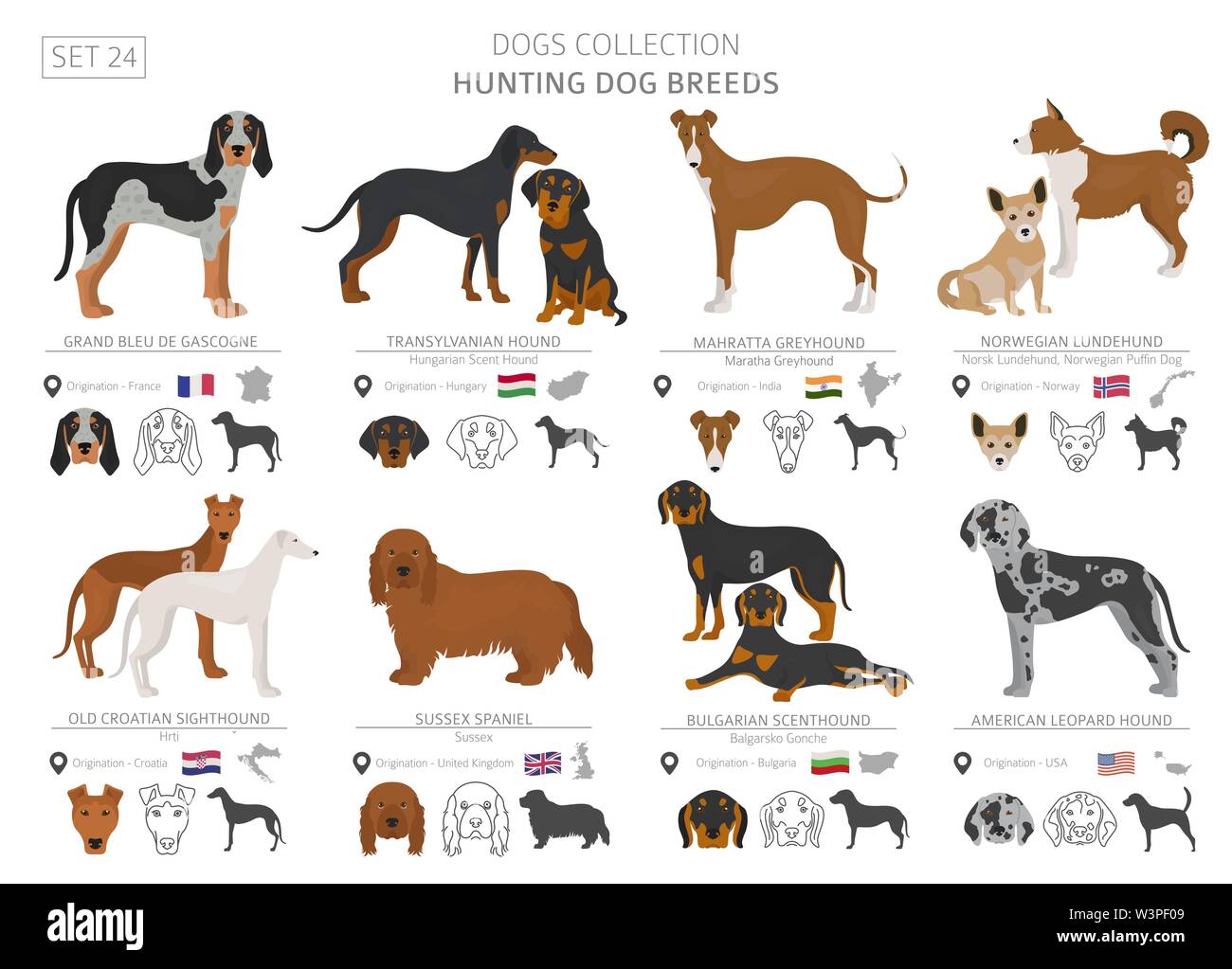
Scenthounds dominate the tracking world. Their ability to follow a cold trail for miles makes them indispensable in hunting and law enforcement. Below are the most effective breeds, each with unique strengths.
Bloodhound: Ultimate Tracking Machine
No dog rivals the Bloodhound in scent detection. With 300 million scent receptors, it’s the gold standard for tracking lost people, fugitives, and game.
- Height: 23–27 inches
- Weight: 80–110 pounds
- Coat: Short, wrinkled skin
- Hunting Role: Long-distance tracking, search-and-rescue
Bloodhounds are independent and stubborn, often ignoring commands when locked onto a scent. They require early, consistent training and a secure area to prevent wandering.
Pro Tip: Due to long ears and loose skin, clean ears weekly to prevent infections.
Beagle: Compact and Curious
The Beagle is the most popular hound in the U.S., prized for its small size and powerful nose. Originally bred for rabbit hunting in packs, it’s now used by the USDA to sniff out contraband at airports.
- Height: 10–15 inches
- Weight: 15–30 pounds
- Coat: Short, hard
- Hunting Role: Rabbit and hare tracking in packs
Beagles are friendly and eager to please but easily distracted by scents. Use high-value treats (like chicken or cheese) during training to maintain focus.
Warning: Their baying can be loud—consider neighbors before adopting.
Basset Hound: Low to the Ground, High on Scent
With short legs and a big nose, the Basset Hound stays close to the ground, where scent is strongest. This makes it ideal for tracking rabbits and hares in dense underbrush.
- Height: 13–15 inches
- Weight: 40–65 pounds
- Coat: Short, dense
- Hunting Role: Slow, deliberate tracking
Bassets are mellow and affectionate but notoriously stubborn. They respond best to positive reinforcement and short, engaging training sessions.
Care Note: Long ears trap moisture—clean weekly to avoid infections.
Coonhound Varieties: Treeing Specialists
Coonhounds are a family of American scenthounds bred to tree raccoons, bears, and cougars. They’re vocal, tough, and built for rugged terrain.
Black and Tan Coonhound
- Height: 23–27 inches
- Weight: 65–110 pounds
- Color: Black with tan markings
- Unique Trait: Deep, melodious bay; excellent at treeing large game
Descended from Bloodhounds and Foxhounds, this breed is independent but loyal. Needs early training to manage prey drive.
Bluetick Coonhound
- Color: Blue-ticked with black spots and tan
- Temperament: Tireless, affectionate, vocal
- Hunting Use: Hunts in packs; known for chasing mountain lions
Smart and quick to learn, but requires firm, consistent handling.
Redbone Coonhound
- Color: Solid deep red
- Temperament: Sweet, adaptable, energetic
- Best For: Family hunting teams
One of the most people-oriented coonhounds, making it a good dual-purpose pet and worker.
Treeing Walker Coonhound
- Color: Tri-color (black, white, tan)
- Unique Trait: Descended from Foxhounds; exceptional bayer
- Use: Follows prey until treed, then bays to signal location
Eager to please and adaptable to owner’s lifestyle.
Common Trait: All coonhounds are highly vocal—ideal for hunters, less so for city living.
Dachshund: The Burrow Hunter
The Dachshund is the only breed designed to hunt both above and below ground. Originally bred to chase badgers in tunnels, it’s fearless and tenacious.
- Height: 8–9 inches (standard)
- Weight: 16–32 pounds
- Coat: Smooth, long, or wirehaired
- Hunting Role: Badger, fox, rabbit in burrows
Despite its size, it has strong prey drive and a loud bark for its body.
Critical Care: Prone to intervertebral disc disease (IVDD) due to long spine. Avoid stairs and jumping.
Top Sighthound Breeds for Speed and Sight
Sighthounds are the sprinters of the dog world. Built for speed and agility, they rely on vision to spot and chase prey. While many are now retired from hunting, their instincts remain strong.
Greyhound: The Speed Champion
The Greyhound is the fastest dog breed, reaching 45 mph in seconds. Bred for coursing deer and hare, it’s now a popular racing and companion dog.
- Height: 27–30 inches
- Weight: 60–70 pounds
- Coat: Short, fine
- Temperament: Calm indoors, explosive outdoors
Despite their speed, Greyhounds are couch potatoes at home. They adapt well to apartment living if given daily runs.
Safety Tip: Always use a secure fence or leash—they’ll chase anything that moves.
Whippet: The Pocket Rocket
The Whippet is a smaller version of the Greyhound, often called the “poor man’s racehorse.” It excels in lure coursing and backyard sprints.
- Height: 18–22 inches
- Weight: 25–40 pounds
- Temperament: Playful, affectionate, sensitive
Whippets bond closely with families and are more trainable than many sighthounds.
Best For: Active families with secure yards.
Saluki: The Royal Coursing Dog
One of the oldest breeds, the Saluki was revered in ancient Egypt as the “Royal Dog.” It hunts gazelle and hare with grace and endurance.
- Height: 20–28 inches
- Weight: 40–65 pounds
- Coat: Smooth or feathered
- Temperament: Gentle, reserved, independent
Salukis are quiet and clean, often likened to cats. They need space to run but are calm indoors.
Training Note: Sensitive to harsh methods—use positive reinforcement.
Borzoi: The Russian Wolfhound
The Borzoi was bred by Russian aristocracy to hunt wolves in packs. It combines speed, strength, and a long, silky coat.
- Height: 26–30 inches
- Weight: 60–105 pounds
- Coat: Long, requires regular grooming
- Temperament: Proud, loyal, gentle
Borzois are independent and may become destructive if bored. They need daily exercise and mental stimulation.
Fun Fact: Often used in lure coursing and dog shows.
Afghan Hound: Beauty and Speed
The Afghan Hound is striking with its long, flowing coat. It hunted in the harsh mountains of Afghanistan using speed and sight.
- Height: 25–27 inches
- Weight: 50–60 pounds
- Coat: Long, silky, low-shedding
- Temperament: Dignified, aloof, loyal
Despite its elegance, it’s a powerful athlete. Grooming is high-maintenance—daily brushing required.
Unique Trait: One of the few breeds genetically classified as non-shedding.
Rare and Regional Hound Breeds
Beyond the well-known hounds, several rare and regional breeds offer unique hunting abilities and characteristics.
Azawakh: West African Speedster
The Azawakh is a lean, elegant sighthound from Mali and Niger, bred by the Tuareg people to hunt gazelle and jackal.
- Height: 23–29 inches
- Weight: 33–55 pounds
- Coat: Short, fine
- Temperament: Loyal, reserved, independent
Extremely fast and agile, it works in open desert terrain. Wary of strangers, making it a good watchdog.
Note: Needs early socialization to prevent shyness.
Pharaoh Hound: The Smiling Hunter
Originating from Malta, the Pharaoh Hound was used to hunt rabbits. It’s known for its “smile” and pink-tinged ears when excited.
- Height: 21–25 inches
- Weight: 45–55 pounds
- Coat: Short, glossy
- Temperament: Affectionate, sweet, playful
Surprisingly trainable for a sighthound. Loves to dig and chase.
Fun Fact: Known as “Kelb tal-Fenek” (rabbit dog) in Maltese.
Otterhound: The Shaggy Swimmer
Once used to hunt otters in England, the Otterhound is a rare scenthound with a waterproof, shaggy coat.
- Height: 24–27 inches
- Weight: 80–115 pounds
- Coat: Long, wiry, requires trimming
- Hunting Role: Swimming and tracking in water
Friendly and sensitive, but slow to mature. Has webbed feet for swimming.
Status: One of the rarest breeds—fewer than 1,000 worldwide.
Portuguese Podengo: Dual-Sense Hunter
The Podengo Pequeno is a small, versatile hound from Portugal that uses both sight and scent to hunt rodents and rabbits.
- Size: 8–12 inches
- Weight: 8–11 pounds
- Coat: Smooth or wirehaired
- Temperament: Alert, playful, obedient
Comes in three sizes: Pequeno (small), Médio (medium), Grande (large). Excellent with families.
Training Tip: Responds well to positive reinforcement—ideal for first-time hound owners.
Training Challenges and Solutions

Hounds are intelligent but independent, making training a unique challenge. Here’s how to succeed.
Why Hounds Are Hard to Train
- Prey Drive: Once they see or smell something, recall is nearly impossible.
- Independence: Bred to work at a distance—don’t expect retriever-level obedience.
- Stubbornness: Many ignore commands if something more interesting is happening.
Proven Training Tips
- Use high-value treats: Cheese, chicken, or hot dogs work best.
- Start early: Begin socialization and obedience by 8–12 weeks.
- Use a long line: Practice recall in a safe area with a 20–30 foot leash.
- Channel instincts: Try scent work, tracking, or lure coursing to fulfill their drive.
Avoid punishment: Hounds respond poorly to harsh methods. Stick to positive reinforcement.
Care and Health Considerations
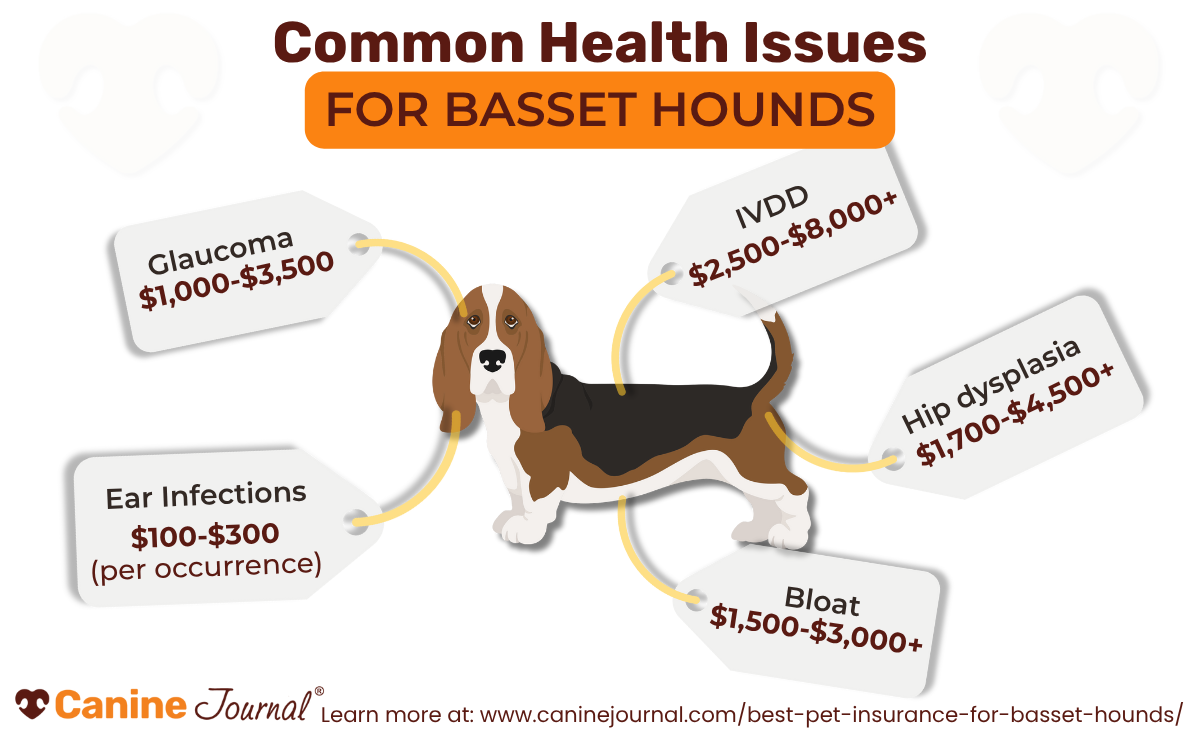
Hunting hounds have specific health and grooming needs based on their breed type.
Common Health Issues
| Breed Type | Risk | Prevention |
|---|---|---|
| Deep-chested hounds (Greyhound, Borzoi) | Bloat (Gastric Torsion) | Feed smaller meals, avoid exercise after eating |
| Long-backed hounds (Dachshund) | IVDD (back problems) | Use ramps, avoid jumping |
| Long-eared hounds (Basset, Coonhounds) | Ear infections | Clean weekly, dry after swimming |
| Large hounds (Bloodhound, Irish Wolfhound) | Hip dysplasia | Screen parents, maintain healthy weight |
Grooming by Coat Type
- Short coats (Beagle, Greyhound): Weekly brushing, occasional bath
- Long coats (Afghan, Borzoi): Daily brushing, professional trimming
- Wiry coats (Otterhound, PBGV): Hand-stripping or clipping every 6–8 weeks
- Double coats (Norwegian Elkhound): Seasonal shedding—brush heavily during blowouts
Exercise Needs
- Scenthounds: Long walks, tracking games, sniffing time
- Sighthounds: Short sprints, lure coursing, secure off-leash runs
- Mental Work: Puzzle toys, scent games, obedience drills
Never allow off-leash in unsecured areas—even well-trained hounds may chase.
Choosing the Right Hound for You
Not all hunting hounds make good pets. Consider your lifestyle before adopting.
Best for Families
- Beagle: Friendly, small, good with kids
- Whippet: Calm, affectionate, apartment-friendly
- Redbone Coonhound: Sweet, adaptable, loyal
Best for Active Hunters
- Plott Hound: Courageous, boar and bear hunter
- American Foxhound: Built for long-distance runs
- Treeing Walker Coonhound: Excellent bayer, treeing specialist
Best for Urban Living
- Basenji: “Barkless,” clean, cat-like
- Whippet: Quiet, small space-friendly
- Pharaoh Hound: Low-shedding, affectionate
Final Advice: Listen to a breed’s baying or vocalizations before adopting. A Bloodhound’s howl may not suit your neighborhood.
Final Note: Whether you’re drawn to the relentless nose of the Beagle or the silent speed of the Greyhound, breeds of hunting hounds offer unmatched skill and loyalty. Respect their instincts, provide proper training, and you’ll gain a devoted partner—in the field and at home.


0 Comments