A hunting lease agreement is far more than a handshake deal or a casual understanding—it’s a legally binding document that protects both landowners and hunters while ensuring responsible use of private property. With demand for quality hunting land rising across the U.S., especially in regions with strong deer populations and limited public access, well-drafted leases have become essential tools for managing risk, preventing disputes, and fostering long-term relationships.
For landowners, leasing hunting rights offers a steady income stream without altering land use—whether you own 50 acres in Georgia or 500 in Texas. For hunters, a lease provides exclusive or semi-exclusive access to prime game areas, often with improved habitat management and fewer crowds. But without a clear contract, even the most promising arrangement can unravel over boundary disputes, liability concerns, or unexpected guest visits.
This comprehensive guide walks you through every critical component of a hunting lease agreement, from defining property lines and setting rent to requiring liability insurance and enforcing cleanup rules. You’ll learn how to avoid common legal pitfalls, comply with state regulations, and build a professional relationship grounded in trust and accountability.
Define Property Boundaries with Legal Precision
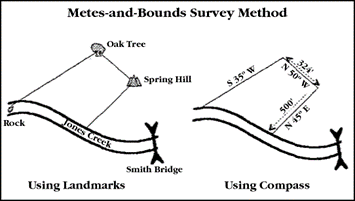
Use Accurate Descriptions and Attached Maps
One of the most frequent causes of hunting lease conflicts is unclear boundaries. A vague description like “the back 100 acres” invites trespassing, poaching, and strained relationships. To prevent this, your hunting lease agreement must include a legally recognized property description.
At a minimum, include:
– Full legal address (if applicable)
– Total acreage or square miles
– Official land description (e.g., metes and bounds, township/range/section)
– GPS coordinates or a surveyed map attached as an exhibit
Pro Tip: Mark boundaries with trail signs, flagging tape, or digital GPS waypoints before the season starts. Many landowners use mobile apps like OnX Hunt or Avenza to share boundary maps directly with lessees.
Designate No-Hunt Zones and Sensitive Areas
Not all land is suitable for hunting. Protect your property, livestock, and family by clearly identifying off-limits zones.
Common restricted areas include:
– Within 100 yards of homes or outbuildings
– Active pastures or livestock pens
– Crop fields during growing season
– Water sources used for irrigation or drinking
– Wetlands, nesting habitats, or protected species zones
Best Practice: Attach a marked map showing hunting zones, camping areas, and no-go zones. Require all lessees to review and sign off on it before gaining access.
Identify Every Authorized Hunter by Name
List All Lessees with Full Contact Details
An unnamed hunter is legally a trespasser—and could invalidate your liability protections. Your hunting lease agreement must list every individual who has permission to hunt.
Include:
– Full legal name
– Mailing address
– Hunting license number (recommended)
This ensures accountability and helps law enforcement verify access rights if needed.
Warning: Allowing unlisted guests can void your legal defenses in some states. If someone is injured, you may lose statutory immunity and face personal liability.
Set Clear Guest Policies
Most hunters want to bring friends or family. Define the rules upfront to prevent overuse and unauthorized access.
Options to consider:
– No guests allowed – strictest control
– Guests with 24-hour notice – allows flexibility with oversight
– Co-signature required – guest must be approved and listed in writing
– Maximum two guests per licensed hunter – balances access with management
Sample Clause:
“Only individuals listed in this agreement may hunt on the property. No additional persons may enter without the landowner’s prior written consent.”
Set a Fixed Lease Term with Renewal and Termination Rules
Choose a Defined Hunting Season or Calendar Year
Avoid open-ended arrangements. A fixed term—such as August 1 to April 15—covers archery, rifle, and spring turkey seasons while providing clarity.
Recommended structure:
– Start date: August 1 (before early archery)
– End date: April 15 (after spring turkey)
– Renewal: Requires mutual written agreement at least 30 days before expiration
Avoid: Multi-year leases unless you’re certain about future land use plans.
Include Early Termination Clauses
Things go wrong. A well-drafted hunting lease agreement allows for early exit under specific conditions.
Valid termination triggers:
– Violation of hunting rules (e.g., baiting, trespassing)
– Failure to pay rent on time
– Damage to property or equipment
– Wildlife law violations (e.g., shooting out of season)
Sample Clause:
“Lessor may terminate this lease immediately without refund for any violation. Otherwise, 30 days’ written notice is required, with pro-rata refund for unused time.”
Establish Rent and Payment Terms Upfront
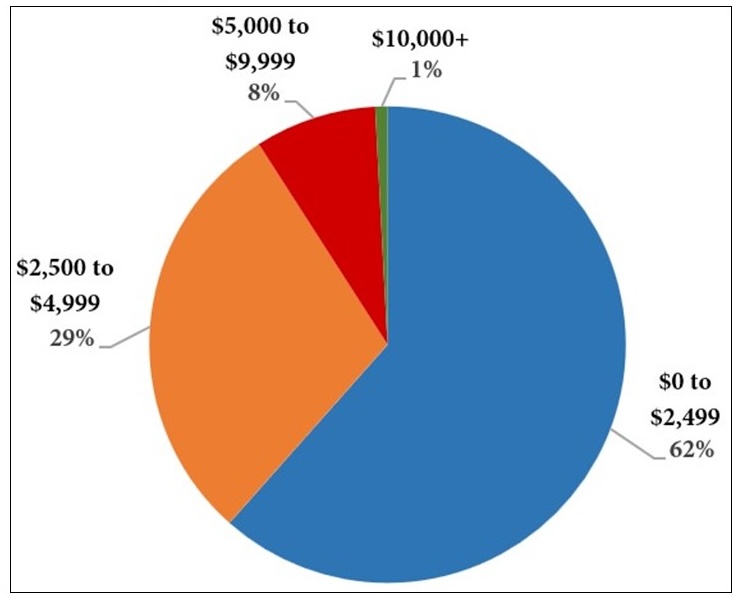
Price Per Acre Based on Regional Market Value
Most hunting leases are priced per acre. However, rates vary widely based on location, game quality, and amenities.
Average 2024 Rates:
– Georgia: $16/acre (range: $10–$30)
– Texas: $10–$25/acre
– Midwest (IA, MO, IL): $5–$15/acre
– Trophy deer areas: Up to $50/acre
Value boosters:
– High deer density or trophy potential
– Food plots, tree stands, game cameras
– Lodging, electricity, water access
– Proximity to urban hunting markets
Pro Tip: Require full payment upfront. Installment plans increase risk and administrative work.
Specify Payment Method and Late Fees
Avoid cash-only deals. Define payment clearly in the lease.
Include:
– Accepted methods (check, Zelle, Venmo, etc.)
– Due date (e.g., 30 days before season)
– Late fee (e.g., 5% per month)
– Bounced check consequences (e.g., lease termination)
Best Practice: Use electronic payments with a paper trail. Never accept cash without a signed receipt.
Enforce Hunting Rules and Legal Compliance
Specify Allowed Species and Seasons
Prevent overharvesting and illegal takes by listing permitted game.
Example:
– White-tailed deer (antlered or antlerless, per state law)
– Wild turkey
– Feral hogs
– Coyotes
Prohibited:
– Endangered species
– Protected birds (e.g., bald eagles)
– Pets or livestock
Clause Example:
“Hunting is limited to white-tailed deer and wild turkey. All harvests must comply with Georgia DNR regulations.”
Restrict Weapons and Tactics
Some methods are unsafe or illegal. Set clear limits.
Common restrictions:
– Archery only
– No night hunting
– No baiting (check state laws—illegal in MI, TN)
– No use of dogs
– No spotlighting
Note: Baiting laws vary by state. Verify local regulations before allowing it.
Control Camping and Land Use
Allow Camping with Strict Conditions
Camping increases liability and land impact. If permitted, define rules.
If allowed:
– Designate specific sites
– Permit only tents or temporary shelters
– Prohibit permanent structures
– Require fire pans and full extinguishment
Sample Rule:
“Camping allowed only at the northeast clearing. No fires after 10 PM. All trash must be removed.”
Ban Tree Damage and Off-Road Driving
Protect your property from misuse.
Prohibited:
– Nailing stands into trees (use straps)
– Cutting live trees or limbs
– Driving ATVs/UTVs off established roads
– Building brush piles or lean-tos
Enforcement Tip: Conduct post-season inspections. Charge for any damage found.
Require Indemnification and Liability Insurance
Include a Hold-Harmless Clause
An indemnification clause shifts liability to the lessee.
Sample Language:
“Lessee agrees to hold the landowner harmless for any claims arising from their use of the property.”Reality Check: This doesn’t eliminate lawsuits—but it strengthens your legal defense.
Mandate $1 Million Hunting Liability Insurance
Insurance is non-negotiable for serious lessees.
Requirements:
– Minimum $1 million general liability
– Landowner named as additional insured
– Proof of policy before lease begins
Top Providers:
– American Hunting Lease Association (AHLA)
– National Deer Association
– NFP.com (Hunting Insurance)
Best Practice: Keep a copy of the insurance certificate on file.
Use a Signed Release of Liability Waiver
Make It a Separate Addendum
A release of liability reinforces statutory protections.
List key risks:
– Natural hazards (gullies, sinkholes)
– Wildlife encounters (snakes, ticks)
– Weather extremes
– Equipment failure
– Hidden dangers (old wells, wire)
Pro Tip: Attach a disclosure addendum listing known hazards (e.g., “Deep ravine near north boundary”). This shows good faith.
Grant or Deny Exclusivity Clearly
Offer Exclusive Access for Premium Pricing
Exclusive leases attract serious hunters.
Exclusive Use Clause:
“Lessee has sole right to hunt. Landowner shall not allow others without lessee’s written consent.”Exception: Many landowners reserve the right to hunt themselves—state this clearly.
Ban Subleasing Without Permission
Prevent unauthorized hunting businesses.
Anti-Subleasing Clause:
“Lessee may not assign, sublease, or transfer any rights under this agreement.”
Enforce Cleanup and Property Care
Require Litter Removal and Damage Repair
Hunters must leave the land better than they found it.
Responsibilities:
– Remove all trash and spent shells
– Close gates as found
– Repair broken fences
– Report vandalism
Enforcement: Withhold security deposit for uncleaned sites or damage.
Ensure Legal Compliance and Safety
Require Valid Hunting Licenses
Verify every lessee has a current license.
Consequence Clause:
“Wildlife law conviction results in immediate termination.”
Check for Special Permits (e.g., Texas)
In Texas, landowners must obtain a Lease License from TPWD to legally rent land.
Penalty: Fines up to $4,000. Apply at tpwd.texas.gov.
Finalize with Signatures and Copies
Require All Signatures and Notarization
No signature = no authorization.
Signing requirements:
– All lessees sign and date
– Landowner signs
– Notarization recommended
– Each party gets a copy
Warning: Unsigned participants are trespassers and not covered by liability waivers.
Best Practices Summary
For Landowners:
– Always use a written lease
– Require proof of insurance
– List every hunter by name
– Inspect property before and after
– Keep all records
For Hunters:
– Respect boundaries and rules
– Leave no trace
– Report trespassers
– Carry liability insurance
– Communicate openly
Final Note: This guide is for informational purposes only. Laws vary by state. Always consult a qualified attorney before signing any hunting lease agreement. With the right preparation, your lease can be a win-win: income for the landowner, quality hunting for the lessee, and better wildlife management for all.


0 Comments