Scraping season is on. If you’re still hunting blind or relying on luck, you’re missing one of the most predictable and reliable whitetail behavior patterns in the woods. Scrape hunting—strategically using deer scrapes to attract and intercept mature bucks—can put trophy-class deer within bow range during the pre-rut, when they’re most active on their signposts. These aren’t random dirt patches; they’re communication hubs where bucks leave scent messages, check for does, and monitor rivals.
But most hunters fail because they set up directly over a scrape, hunt during peak rut, or ignore wind direction. The truth? Success comes from understanding deer biology, timing your stands correctly, and using scrapes as intelligence tools—not just kill zones. This guide delivers proven scrape hunting tips backed by real-world results, trail camera data, and expert insight. You’ll learn how to identify high-value scrapes, build effective mock scrapes months in advance, position stands for maximum success, and avoid the mistakes that shut down deer activity. Whether you’re hunting public land or managing private property, these tactics turn scrapes into a strategic advantage.
Decode Scrape Types to Target Mature Bucks

Not all scrapes are worth your time. Knowing the difference between primary, community, and traditional scrapes helps you focus on the right ones—and ignore the rest.
Identify Primary Scrapes Used by Dominant Bucks
Primary scrapes are the calling cards of mature bucks. These are large, deeply pawed, and located in or near core bedding areas. Look for:
– 18–24 inch wide cleared patches
– Fresh pawing with exposed soil and disturbed leaves
– An overhanging licking branch at 4–6 feet
– Multiple rubs nearby and signs of overnight use
These scrapes are revisited consistently during the pre-rut. If your trail camera shows the same mature buck returning weekly in October, you’ve found a high-priority target. These are best hunted in the late afternoon, as bucks move from bedding to feeding.
Use Community Scrapes for Buck Inventory and Traffic Patterns
Community scrapes sit at trail intersections, food plot edges, or convergence zones between bedding areas. Multiple deer—bucks, does, and young bucks—use them. While often smaller, their location makes them valuable.
Hunt these when they’re positioned:
– Between two bedding areas
– Along a travel corridor to a food source
– Near a pinch point like a creek crossing or thicket edge
Bucks often stop here at dusk before feeding. Use trail cameras to inventory bucks and track movement patterns—then set up downwind for afternoon hunts.
Monitor Traditional Scrapes for Long-Term Intelligence
Traditional scrapes are reused year after year in the same spot. They have ideal conditions:
– Level, dry ground
– A natural licking branch overhead
– Located between food and cover
– Consistent wind and thermal flow
These scrapes are goldmines for long-term planning. Avoid hunting directly over them—your scent could ruin the site. Instead, use them to plan stand locations and build mock scrapes nearby.
Time Your Hunts Around the Pre-Rut Peak
Scraping activity follows a strict biological timeline. Hunt at the wrong time, and you’ll see nothing.
Focus on Late October to Early November
This pre-rut window is prime scrape hunting season. Rising testosterone triggers bucks to:
– Establish dominance
– Check for receptive does
– Monitor rival bucks
During this phase, bucks visit scrapes daily, often in late afternoon. This is when mock scrapes become effective and real scrapes light up on trail cameras. Set up your best stands now—especially near primary scrapes or scrape lines.
Pro Tip: When a mature buck starts hitting a scrape in daylight, it’s time to be in the stand.
Avoid Hunting During Peak Rut
Once 15–20% of does enter estrus, scraping drops by 70–80%. Bucks shift from marking to chasing. They’re no longer leaving “pee mail”—they’re tracking scent trails in real time.
- Stand setups near scrapes become ineffective
- Bucks are mobile, unpredictable, and focused on doe herds
Shift your strategy: hunt travel corridors, bedding edges, and doe congregation zones instead.
Re-Engage in Late November for Second-Chance Bucks
After the peak rut, scraping surges again. Why? Does that didn’t breed re-enter estrus 28 days later. Dominant bucks return to re-mark territory and seek late-cycling does.
This “second rut” offers a second shot at mature bucks. Reactivated scrapes—especially primary and traditional ones—are worth monitoring. Hunt them in late November to early December, focusing on afternoon setups near food sources.
Build Mock Scrapes That Attract Mature Bucks
Mock scrapes aren’t gimmicks—they’re one of the most proven ways to draw bucks to your stand site. But success depends on timing, design, and natural integration.
Create Mock Scrapes 3–6 Months in Advance
The best mock scrapes are built in May to September. Bucks need time to discover, accept, and habituate to the site. Early setup:
– Reduces wariness
– Allows scent chains to develop
– Encourages use during pre-rut
“It only takes one deer visit to start the scent chain,” says expert Steve Sherk. “The more it’s used, the more attractive it becomes.”
Never expect immediate results. Let the scrape age naturally. By October, it’s part of the deer’s mental map.
Choose the Right Location and Setup
Place your mock scrape where bucks already travel:
– Near rub lines or trail funnels
– Between bedding and food sources
– Along ridge tops or creek crossings
– 30–50 yards downwind of your stand
Avoid high-traffic human areas. Once built, minimize visits to keep human scent out.
Install a Realistic Licking Branch
The licking branch is the most important part of any scrape—real or mock. Without it, the scrape loses its social signal.
Best Materials:
- Beech branches: Hold leaves all year, highly visible
- Parachute cord (1/2″–1″): Durable and easy to hang
- Fresh-cut oak or maple saplings: Natural look and scent
- Vines or cedar branches: Blend into surroundings
Placement Tips:
- Hang 3–4 feet high (accessible to most deer)
- Use a vertical orientation to mimic a broken limb
- Secure with natural twine or parachute cord
- Face the branch so deer must turn broadside to rub it
Warning: A poorly placed or unnatural-looking branch will spook mature bucks. Keep it simple and realistic.
Skip the Scent—Or Use Human Urine
Contrary to popular belief, you don’t need bottled deer urine to make a mock scrape work. Overuse of doe estrus or synthetic scents can alert or repel mature bucks.
Instead:
– Use human urine—research shows bucks react similarly to human and rutting-buck urine
– Pee directly in the scrape or on the licking branch
– It’s free, always available, and effective
If you use commercial scent, apply sparingly and only during the pre-rut. Never drench the site.
Use Trail Cameras to Gather Buck Intel
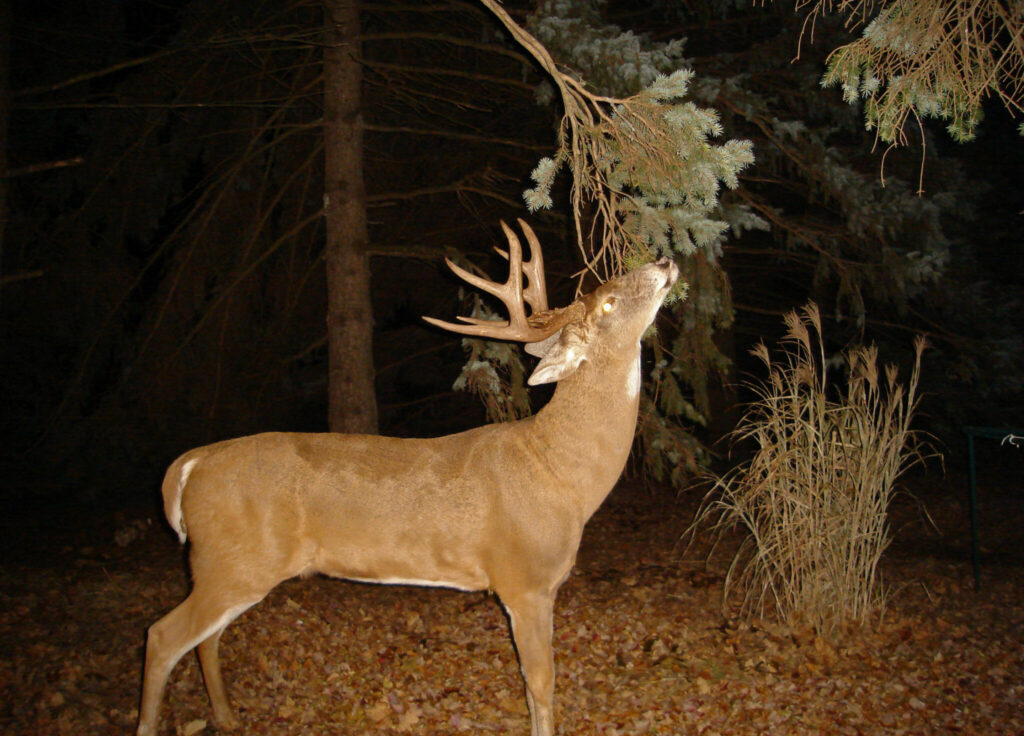
Scrapes are intelligence goldmines. Trail cameras turn them into buck ID stations.
Position Cameras Downwind
Most bucks wind-check a scrape from a distance before entering. If your camera is upwind, you’ll miss them.
- Face the camera downwind of the scrape
- Mount it 10–15 yards away, at deer height
- Use black-out or wireless models to avoid flash spooking
- Check remotely or infrequently to limit human scent
This setup captures bucks that stop at the edge, scent-check, and sometimes leave without touching the scrape—valuable intel.
Monitor Activity Over Time
Set cameras as soon as the mock scrape is built. Use the footage to:
– Identify which bucks are using the area
– Determine visit timing (night vs. daylight)
– Track pattern development as the rut approaches
– Confirm dominant buck activity
Review photos monthly. If a mature buck starts showing up in daylight by late October, plan your hunt.
Optimize Stand Placement and Hunting Tactics
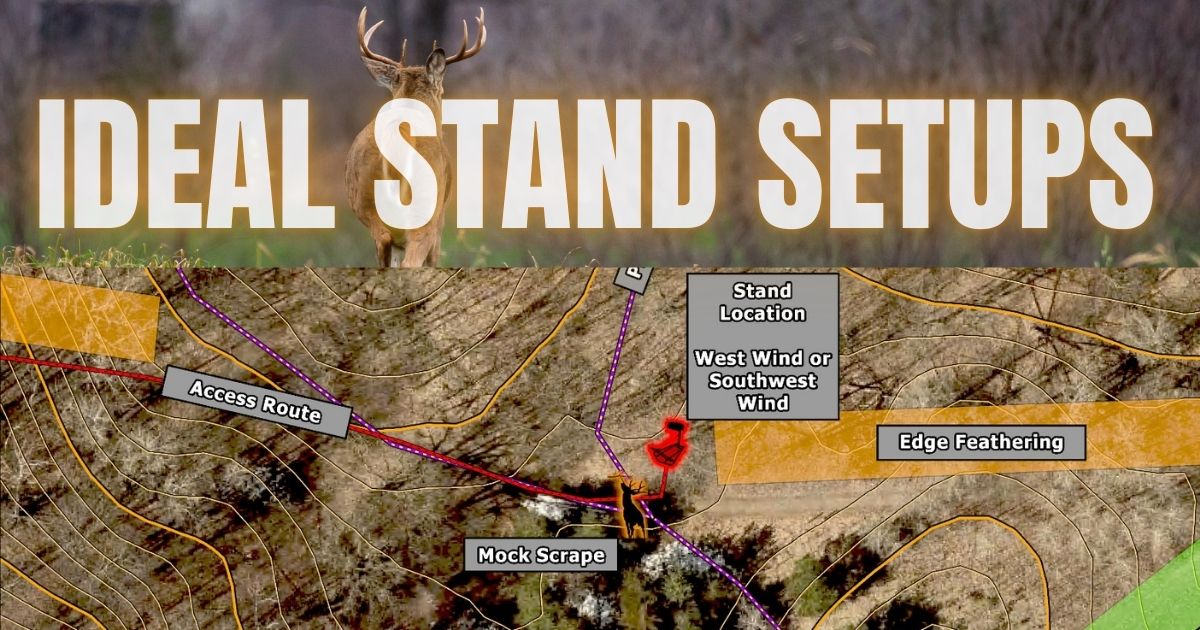
Even the best scrape is useless if you’re set up wrong. Position matters—more than you think.
Don’t Hunt Directly Over the Scrape
Standing or sitting right on top of a scrape is a rookie mistake. Bucks often approach from downwind, stop short, and scent-check. If you’re in a tree above the scrape, your scent will blow right over it.
Instead:
– Set your stand 10–15 yards downwind
– Choose a tree with multiple shooting lanes
– Ensure quiet, scent-free access
– Use natural cover to break your outline
This gives bucks room to work the scrape while staying in range.
Hunt Scrape Lines at Pinch Points
A single scrape isn’t enough. Look for scrape lines—a series of scrapes along a travel corridor. These indicate predictable buck movement.
Hunt at pinch points where the line narrows:
– Creek bends
– Thicket edges
– Fence crossings
– Clear-cut boundaries
These funnels force bucks to pass within range. Set up downwind and let the scrape line do the work.
Match Hunt Times to Deer Movement
- Morning hunts: Best near scrapes close to bedding areas. Bucks return from feeding and may check scrapes before bed.
- Afternoon hunts: Ideal near food-source scrapes. Bucks head out to feed and often stop to mark.
Remember: “Afternoon = morning for deer.” Peak movement starts late afternoon.
Avoid Common Scrape Hunting Mistakes
Even experienced hunters blow it. These mistakes shut down activity fast.
Stop Hunting Dry, Abandoned Scrapes
An old, dusty scrape with no fresh sign is dead. No recent pawing, no new rubs, no camera hits? Move on.
Focus only on:
– Freshly pawed soil
– Newly rubbed licking branches
– Recent trail cam activity
If it hasn’t been hit in 7–10 days, it’s not worth your time.
Never Overhunt a Hot Scrape
One of the fastest ways to kill a productive site is hunting it too often. Mature bucks detect human scent and avoid the area.
- Limit stand time to 2–3 times per week
- Hunt only during optimal wind conditions
- Use scent-eliminating soaps, sprays, and clothing
- Enter and exit quietly, using the same trail
Rule of thumb: If you’re not seeing bucks anymore, you’ve likely pressured the spot.
Don’t Ignore Wind Direction
Wind is non-negotiable. A perfect setup fails if your scent drifts over the scrape.
- Always check wind and thermals before hunting
- Use scent-control gear
- Avoid stands with crosswinds that carry your odor across the site
If the wind isn’t right, stay home.
Final Note: Scrape hunting works—but only when you follow the biology, not the hype. Focus on pre-rut activity, build mock scrapes months in advance, and use real scrapes for intelligence. Hunt scrape lines, not single sites. Prioritize wind, concealment, and timing. Avoid the peak rut trap. And remember: scrapes aren’t just places to kill deer—they’re windows into deer behavior. Use them to hunt smarter, not harder. With these scrape hunting tips, you’re not guessing. You’re predicting.

0 Comments