There’s nothing quite like the thrill of pulling up a crab trap and finding it packed with feisty, legal-sized crabs. Whether you’re wading the shallows with a chicken neck on a string or running a string of traps from your skiff, crab hunting tips can turn a frustrating day into a bountiful harvest. With the right knowledge, even beginners can consistently go home with a cooler full of blue crabs, Dungeness, or snow crabs—depending on your region.
This guide delivers battle-tested crab hunting tips used by seasoned crabbers across the U.S. You’ll learn how to pick the best time and tide, choose the most effective bait, deploy gear efficiently, and avoid common mistakes that cost catches. Whether you’re crabbing from a dock, pier, or boat, these strategies will help you maximize your haul—safely, legally, and sustainably.
Best Crab Species to Target
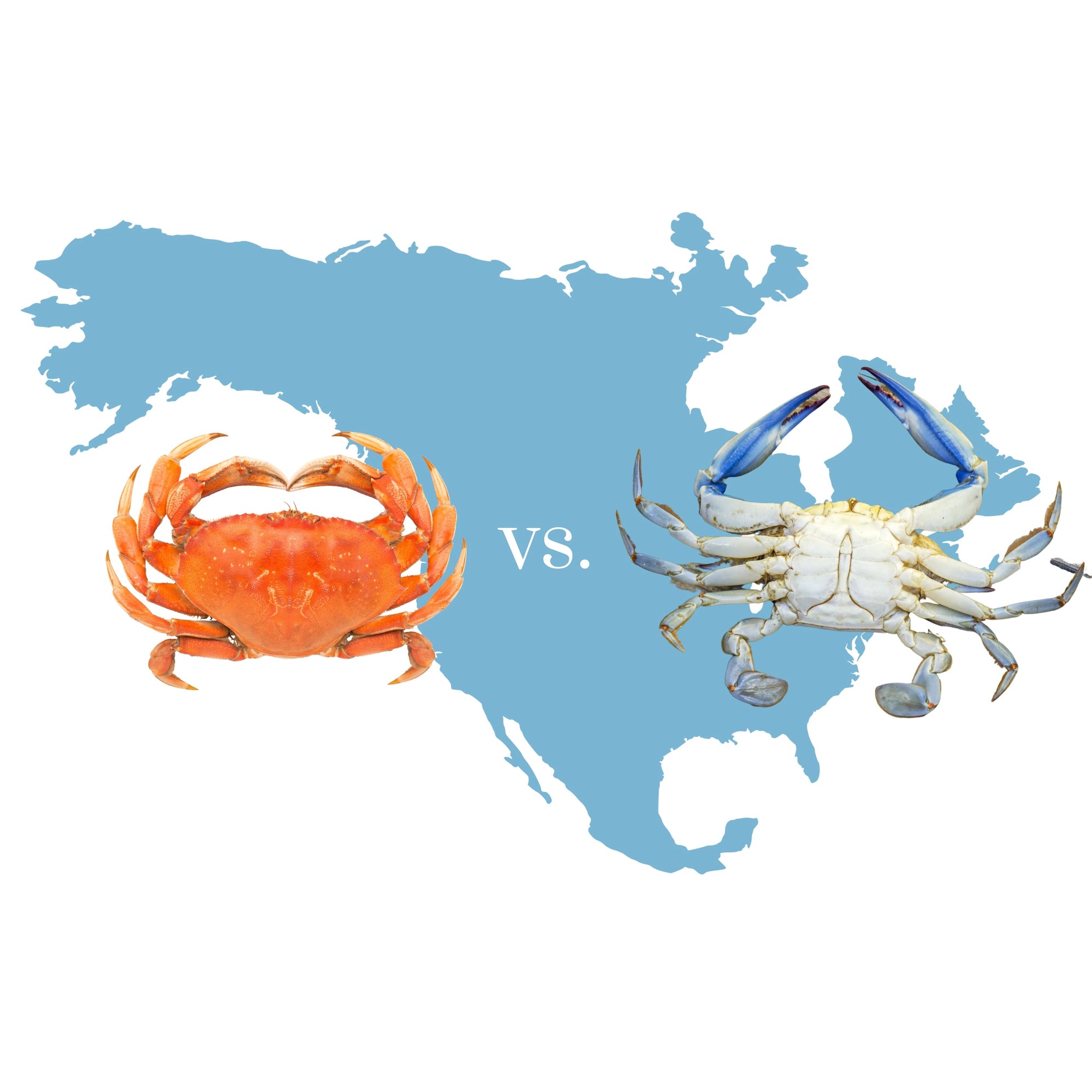
Your success starts with knowing which species are in your area—and when they’re most active.
Blue Crab: Ideal for Beginners
The blue crab is the most popular target along the Atlantic and Gulf Coasts. Found in brackish estuaries, marshes, and near docks, they’re aggressive feeders and respond well to simple gear. They’re most active from June through November, peaking in August to October when water temperatures rise.
- Males (jimmies) have a narrow, triangular apron—these are legal to keep in most areas.
- Females (sooks) have a broad, rounded flap—typically must be released.
- Immature females (she crabs) are illegal to harvest—always check the apron before keeping.
Tip: In Maryland and Virginia, releasing female blue crabs helps sustain the population. It’s not just the law—it’s good crabbing karma.
Dungeness Crab: West Coast Prize
From Alaska to California, Dungeness crabs are prized for their sweet, tender meat. They’re best caught in fall and winter when the water cools and crabs move into shallower bays.
- Requires traps with cull rings to release undersized crabs.
- Always measure across the carapace—minimum size is 6.25 inches in most states.
- Use turtle excluder devices (TEDs) where required.
Pro Insight: Dungeness crabs love squid and oily fish—bait accordingly.
Snow & King Crabs: Cold-Water Giants
Snow crabs thrive in the North Atlantic and Bering Sea, most active in winter. Golden king crabs, found in deep Pacific waters, are best targeted from summer to early fall.
- Both respond well to fish heads, mackerel, or squid.
- Deep-water gear and boat access are usually required.
Beginner Note: Stick to blue or Dungeness crabs if you’re new. They’re easier to catch and more accessible.
Optimal Times to Go Crabbing

Timing is everything. Crabs feed based on light, tide, and water temperature—not your schedule.
Early Morning & Late Evening
Crabs are most active at dawn and dusk. Midday heat drives them into deeper, cooler water—especially in summer.
- Night crabbing works well under cloudy or moonless skies.
- Set traps at first light and check every 30 minutes during peak feeding.
Pro Move: Use glow sticks on your buoys for night visibility—plus, they attract curious crabs.
Ride the Incoming Tide
The incoming (flood) tide brings crabs into shallow feeding zones. High tide also gives better access to docks, piers, and creek mouths.
- Avoid setting traps in drying sandbars during low tide.
- Watch for ripples and disturbed mud—signs crabs are moving in.
Visual Cue: If you see small fish darting, crabs are likely nearby hunting too.
Water Temperature Matters
Crabs become active when water hits 55°F. Below that, they’re sluggish or dormant.
- Maryland crabber Jim Livingston starts in early June and runs through mid-November based on temp.
- Bring a waterproof thermometer—if it’s below 55°F, move or reschedule.
Prime Locations for Maximum Catches
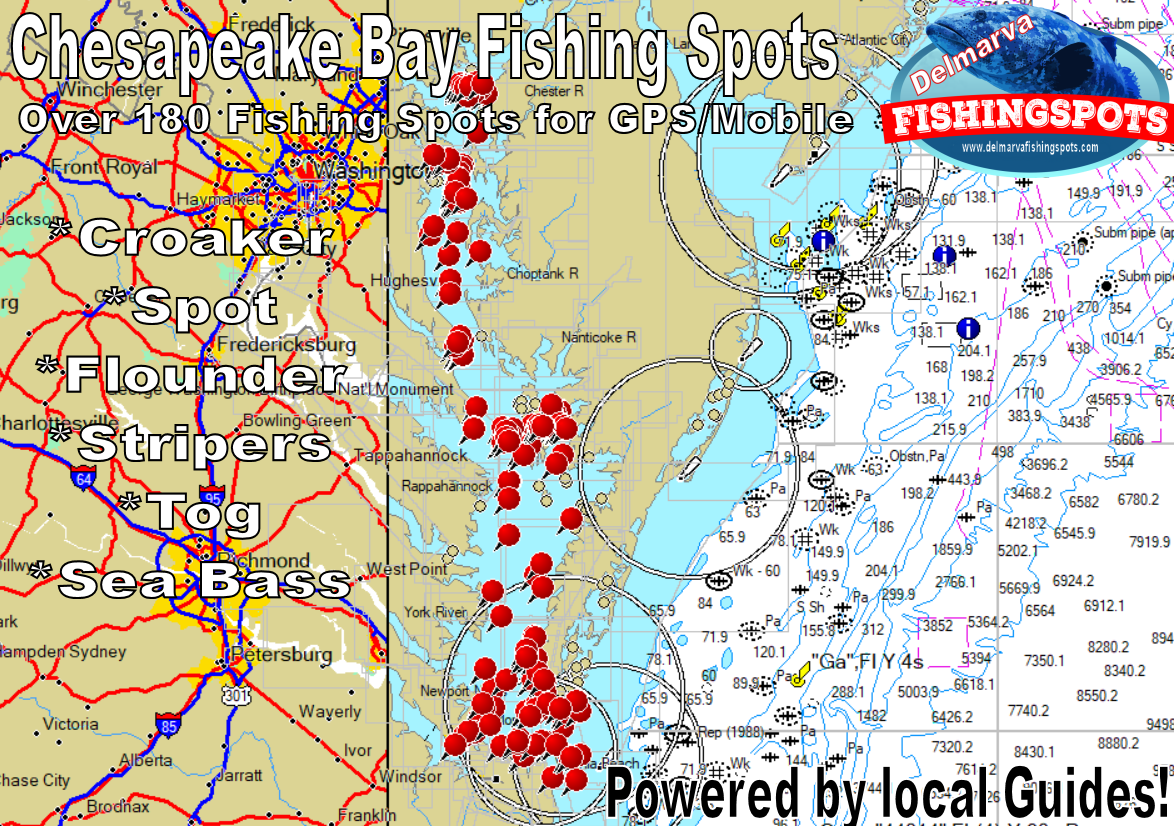
Location beats luck. Crabs gather where food, shelter, and current intersect.
Target Structure-Rich Zones
- Pilings, docks, bulkheads: Offer shade and ambush points.
- Creek mouths and guts: Natural funnels where crabs hunt.
- Rocky ledges and underwater humps: Ideal in 5–10 feet of water.
- Marinas and estuaries: Nutrient-rich and protected.
Expert Insight: The base of pilings creates tidal wells that trap food—crabs stack up here.
Use the “Test and Bomb” Strategy
- Deploy 3–4 traps in different micro-zones (e.g., near piling, in open mud).
- After 30–60 minutes, check results.
- Relocate empty traps to the productive spot—concentrate effort where crabs are feeding.
Pro Tip: Split traps on both sides of a point. After a few pulls, focus all gear on the hotter side.
Best Crabbing Methods & Gear
Match your method to your location, species, and experience level.
Topless Pull Traps: Easiest for Families
- Stackable, no top—collapses when pulled.
- Retrieve with a quick tug—crabs swim down, not up.
- Use 12 feet of lead core rope per trap (sinks, avoids propellers).
Kid-Friendly: Perfect for teaching kids to bait and pull.
Hoop Nets: Simple but Less Durable
- Two rings with cotton netting.
- Degrades fast in saltwater—crabs often clamp the net.
Avoid: For frequent crabbing, invest in pull traps instead.
Crab Pots: For Serious Harvests
- Wire cube with entry funnels and bait chamber.
- Requires registration in Maryland, Virginia, and Oregon.
- Use TEDs and cull rings where required.
Regulation Note: In Maryland, only waterfront property owners can use up to 2 pots.
Trotlines: Most Efficient for Big Catches
- 1,000-ft braided line with bait every 6 feet.
- Anchored at both ends, raised with a roller.
- Snoods with bungee cords help crabs hold on longer.
Best Boat: A 13-ft skiff like a Gheenoe works well.
Hand-Lining (Chicken Necking): No Boat Needed
- Tie chicken neck to 10–15 ft of masonry line.
- Toss out, wait for tug, then retrieve hand-over-hand.
- Use a chicken-wire net (not nylon) to scoop crabs—prevents tangling.
Perfect For: Piers, bridges, and shoreline crabbing.
Best Baits to Attract Crabs
Bait is your crab magnet. The right choice pulls crabs from farther away.
Top Baits Ranked
| Bait | Why It Works |
|---|---|
| Fresh Chicken Necks | Cheap, smelly, crabs love it; sea lions ignore it |
| Chicken Drumsticks | More meat, reusable if frozen |
| Razor Clams | “Crack for crabs”—extremely attractive |
| Squid | Strong scent; great for Dungeness |
| Fish Heads (Mackerel, Salmon) | Oily, scent travels far—but attracts seals |
Avoid fish heads in areas with sea lions or seals.
Bait Preparation Tips
- Score the meat—cut slits to release more scent.
- Pack bait cages full—more scent = more crabs.
- Secure with zip ties or wire—prevents loss.
- Refresh every 2–3 hours—stale bait loses power.
Pro Hack: Freeze half-eaten drumsticks in ziplock bags—reuse on next trip.
Essential Crabbing Gear Checklist
Bring the right tools to stay safe, legal, and efficient.
Must-Have Equipment
- Crab traps or nets (topless pull traps recommended)
- Lead core rope (sinks, durable, prop-safe)
- Marked buoy with name and ID (required in Oregon)
- Crab gauge or ruler – measure carapace width
- Crab tongs – for safe handling
- Chicken-wire net – prevents tangling
- Cooler with ice – for transport
- Bushel basket – holds live crabs
- Propane burner (15,000 BTU) – for outdoor steaming
Critical: Carry three crab gauges—one per person, one spare. Tie to boat.
Follow Local Crabbing Regulations
Breaking rules leads to fines. Stay legal.
Measure Every Crab
- Use a crab gauge to check carapace width.
- Oregon: Minimum 5.75 inches; only males may be kept.
- Maryland/Virginia: Release females (sooks); know jimmies vs. sooks.
Sharpie Trick: Mark the 5.75” line on your gauge for instant reference.
Know Trap Rules
- Oregon: Traps must be checked every 4 hours.
- Maryland: Recreational pots require TEDs and registration.
- Virginia: Licensed crabbers can use up to 5 pots.
Universal Rule: If unsure, ask a local bait shop or check your state wildlife site.
Handle, Store, and Transport Crabs Safely
Proper care keeps crabs alive, fresh, and claw-intact.
Safe Handling Techniques
- Use tongs—especially around kids.
- Hold from behind—grasp the back edges of the shell.
- Avoid claws—pinch risk is real.
- Rub the belly of a male crab to calm it.
Always flip and check—return females immediately.
Transport Without Drowning Them
- Never submerge crabs in water—even seawater lacks oxygen.
- Use a cooler with ice:
- Place crabs face up on ice.
- Cover with wet burlap.
- Keep lid slightly open for airflow.
- Ice keeps them sluggish—prevents claw loss during cooking.
Myth Busting: Crabs don’t need to swim—they need moisture and oxygen.
Pro Tips to Catch More Crabs
Level up your game with expert habits.
Run Traps Like a Pro
- Check every 30 minutes—bait gets stripped fast.
- Move empty traps—if no catch after 30 min, reposition.
- Cluster around winners—if one trap hits, stack others nearby.
- Space traps 100–200 feet apart—covers shifting crab movement.
Avoid boat lanes—prevents lost gear and tickets.
Boat Handling Matters
- Retrieve nets into the current—keeps boat over the trap.
- Running with the current can flip nets and dump crabs.
Involve the Family
- Teach kids to pull traps, measure, and identify.
- Let them decorate buoys—unique colors help spot your gear.
Track Your Success
- Record:
- Date, time, location
- Water temp
- Bait used
- Number and size of crabs caught
- Use a spreadsheet to find patterns.
Long-Term Win: Data reveals your best spots and times.
Cook Your Catch Like a Pro
Turn your harvest into a feast.
Steaming Setup
- Use a two-part steamer:
- Bottom: Water + Old Bay, vinegar, beer.
- Top: Layer crabs, season heavily.
- 15,000 BTU propane burner—fast boil, no kitchen mess.
Key Cooking Tip
- Ice crabs before boiling—keeps claws attached.
Recipe Ideas
- Steamed crabs with butter – classic family meal
- Maryland crab soup – use leftover or frozen meat
- Cioppino – perfect for Dungeness
Bonus: Save shells for stock—simmer with veggies and Old Bay.
Final Note: Success in crab hunting comes down to preparation, timing, and persistence. Use these crab hunting tips to pick the right bait, set traps at peak times, follow regulations, and handle your catch with care. Whether you’re crabbing for fun or food, these strategies will help you bring home more crabs—safely and legally.
0 Comments