You’re perched in your tree stand before first light, heart pounding at the snap of a twig below. But if you’re shivering in cotton jeans, sweating under a plastic rain poncho, or unknowingly glowing like a blue beacon to deer, your hunt could end before it begins. How to dress for deer hunting isn’t about fashion—it’s a science-backed strategy that combines biology, weather survival, and legal compliance.
Deer have eyes built for detecting motion and colors like blue, and noses capable of smelling you from hundreds of yards downwind. Meanwhile, you’re battling freezing temperatures, long sits, and rugged terrain. The right clothing system keeps you warm, dry, hidden, and safe. This guide breaks down every layer, color choice, and accessory based on deer vision, real-world hunting experience, and proven gear. Whether you’re a beginner or refining your setup, you’ll learn how to dress smarter—from boots to blaze orange—and why some choices matter far more than perfect camo.
Wear Blaze Orange for Safety and Legality
Know Your State’s Blaze Orange Rules
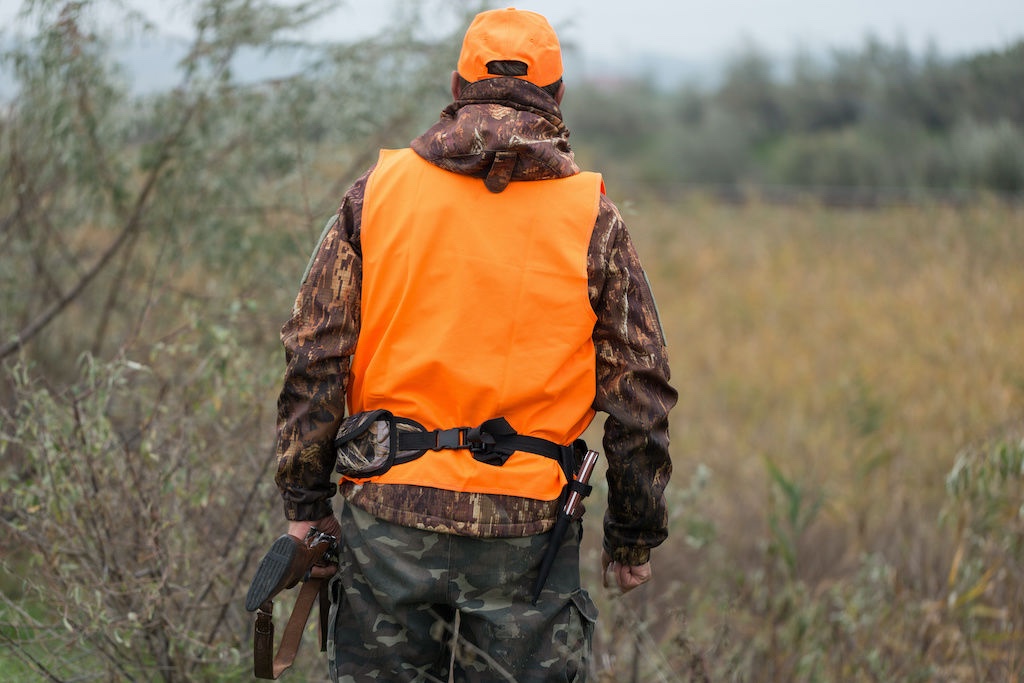
Blaze orange is required by law in most U.S. states during firearm deer season. In Pennsylvania, for example, hunters must wear at least 250 square inches of solid blaze orange on the head, chest, and back—visible from all sides. This typically means a blaze orange vest and hat, though some hunters add orange gloves or gear covers for full visibility.
While deer can’t see orange well, humans do—and that’s the point. Blaze orange drastically reduces the risk of accidental shootings, especially in dense woods or low light. But rules vary.
- Rifle season: Blaze orange almost always required
- Archery season: Often optional or not required
- Muzzleloader season: Mixed rules—check local regulations
Never assume. A quick check with your state’s wildlife agency ensures you’re legal and safe. One missed detail could mean a fine—or worse.
Why Deer Don’t See Orange
Deer vision is built for survival at dawn and dusk, not color accuracy. Their eyes have few cone cells (color detectors) and many rod cells (motion and low-light sensors), making them essentially red-green colorblind.
- Deer see blue and yellow best—blue clothing “screams” to them
- Orange, red, and green appear as dull grays
- UV light makes fabrics glow to deer, even if invisible to you
So while blaze orange stands out to hunters, it blends into the background for deer. That makes it the perfect safety color—high-visibility to humans, low-profile to game.
Choose Colors That Deer Can’t Detect

Avoid Blue at All Costs
One clothing rule you must never break: don’t wear blue. Deer detect blue wavelengths far better than red or orange. Even blue jeans under camo pants can give you away if the wind lifts your hem.
Washing detergents often contain UV brighteners that make clothes look “whiter” to us—but to deer, they glow like a neon sign. That’s why even gray or tan clothes can be risky if washed in regular detergent.
Use Earth Tones and Red-Based Camo
Colors on the red and green spectrum—browns, tans, olives, and grays—are safest. These appear as low-contrast, grayish tones to deer, helping you blend.
- Best colors: Brown, tan, gray, dark green, orange
- Worst colors: Blue, white, bright red, purple
- Best patterns: Match your environment (see below)
Even if you skip camo, wearing solid earth tones is better than blue jeans or street clothes.
Pick Camo Based on Your Hunting Environment

Match Camo to Terrain, Not Trends
Camouflage helps break up your human silhouette, but it’s not always essential. If you’re sitting still in a tree stand, motion control matters more than pattern. But for bow hunting or spot-and-stalk, camo is critical.
Choose a pattern that matches your surroundings:
| Pattern Type | Best For | Key Colors |
|---|---|---|
| Woodland / Forest | Dense hardwoods, mixed woods | Green, brown, black, leafy textures |
| Subalpine | Mountains, coniferous forests | Pine, shadow green, gray |
| Open Country | Rocky, arid, or sparse terrain | Gray, tan, stone, minimal green |
| Brush / Thicket | Overgrown fields, thickets | Deep green, shadow layers |
| Snow / Late Season | Snow-covered areas | White, gray, muted blue-gray |
Avoid mismatched patterns. Wearing snow camo in a green forest defeats the purpose.
When Camo Doesn’t Matter as Much
- Tree stands: Sit still, and deer won’t see your outline
- Blinds: Your blind provides concealment; focus on scent and noise
- Rifle hunting at long range: At 100+ yards, movement is more detectable than color
Still, good camo builds confidence and helps in close-range encounters.
Layer Your Clothing for Temperature Control
Why Layering Beats One Thick Outfit
Hunting involves bursts of activity—hiking in, climbing a stand—followed by hours of sitting still. Without layering, you’ll overheat on the way in, then freeze during the sit.
Layering lets you:
– Wick moisture during exertion
– Retain heat when idle
– Adjust as weather changes
The three-layer system—base, mid, outer—is proven and flexible.
Base Layer: Keep Dry and Warm
The base layer touches your skin and manages sweat. Wet clothing = cold hunter.
Best Materials:
– Merino wool: Naturally odor-resistant, wicks well, warm when wet
– Synthetic (polyester, polypropylene): Fast-drying, durable, affordable
Avoid:
– Cotton: Absorbs moisture, loses insulation, increases hypothermia risk
Choose a snug but comfortable fit. Long sleeves and pants provide full coverage.
Mid Layer: Trap Heat Without Bulk
The mid layer provides insulation. It should be warm, breathable, and quiet.
Top Options:
– Fleece jacket or pullover
– Synthetic insulated jacket (e.g., PrimaLoft)
– Down or down-blend vest (best in dry weather)
– Lightweight hooded sweatshirt
Use multiple thin layers instead of one thick one. Ensure full range of motion for drawing a bow or shouldering a rifle. Avoid noisy fabrics—fleece is quieter than crinkly synthetics.
Outer Layer: Defend Against Wind and Rain
Your outer layer is your shield. It must be:
– Windproof
– Water-resistant or waterproof
– Breathable
– Quiet
– Camouflaged or in earth tones
Key Features:
– Zip vents for quick cooling
– Adjustable cuffs and hood
– Deep, quiet pockets
– Softshell or micro-suede fabric (quiet movement)
Avoid cheap rain gear. Noise and poor breathability will ruin your hunt.
Wear the Right Boots and Socks
Invest in Quality Hunting Boots
Cold, wet feet end hunts fast. Your boots must be:
– Insulated (400g for mild weather, 800–1800g for late season)
– Waterproof (GORE-TEX or rubber construction)
– Supportive (ankle support for rough terrain)
– Properly fitted (go half a size larger for thick socks and circulation)
Tuck your pants into boots to block wind, add warmth, and reduce scent escape.
Sock Strategy for Warm, Dry Feet
Use a layered sock system:
– Liner sock (thin merino or synthetic)
– Outer sock (medium or heavy merino wool)
Avoid cotton socks. They retain moisture and cause blisters.
Extra Tips:
– Knee-high wading socks: Add insulation
– Garters: Keep socks from slipping
– Thermasheilds: Zipper booties worn over boots with heat packs inside
Protect Your Head, Hands, and Face
Layer Your Head to Reduce Heat Loss
Up to 50% of body heat escapes through the head. In cold weather, wear:
1. Thin merino face mask (base layer)
2. Brimmed hat (blocks sun, snow, ice melt)
3. Fleece-lined cap (insulation)
4. Hoodie (half-zip) worn over all
A brimmed hat also shades your eyes, helping you spot deer in low light.
Gloves: Balance Warmth and Dexterity
You need to handle gear, draw a bow, or operate a rifle—so gloves must be warm but functional.
Options:
– Thin liner gloves + mittens or hand muffs
– Disposable hand warmers (2–4 hours)
– Battery-heated gloves (4–5 hours runtime)
Use magnetic chest pockets to warm hands during setup without exposing skin.
Control Scent and Avoid Detection
Eliminate Human Odor
Deer smell 10x better than dogs. Scent control is non-negotiable.
Do:
– Use scent-eliminating soap and sprays
– Store clothes in scent-proof bags
– Wear carbon-lined or odor-absorbing base layers
Don’t:
– Use detergents with UV brighteners or fragrances
– Smoke, eat, or apply scented products before hunting
Wash hunting clothes in scent-free, UV-free detergent and air-dry.
Adapt to Season and Hunting Style
Early Season (Sept–Oct): Light and Breathable
Temperatures are milder, but bugs and sweat are problems.
Focus On:
– Moisture-wicking base layers
– Lightweight, breathable camo
– Bug spray or permethrin-treated clothing
– Scent control
Avoid over-layering. You’ll likely hike far and fast.
Late Season (Nov–Jan): Stay Warm at All Costs
Sub-zero temps, snow, and wind demand serious gear.
Must-Haves:
– Thermal base layer
– Heavy mid layers (fleece, insulated jacket)
– Windproof outer shell
– Insulated boots (800–1800g)
– Hand and foot warmers
– Full head and face coverage
Use battery-heated gloves and Thermasheilds for extreme cold.
Match Gear to Your Hunting Method
| Hunting Style | Gear Emphasis |
|---|---|
| Tree Stand | Warmth, quiet movement, hand/foot protection |
| Ground Blind | Camo matching blind, scent control |
| Spot-and-Stalk | Mobility, lightweight layers, durable boots |
| Bow Hunting | Close-range camo, noise reduction, dexterity |
Bow hunters need quieter gear and better camo. Rifle hunters prioritize warmth and safety.
Final Tips for First-Time Hunters
8 Essential Dressing Rules
- Wear blaze orange in rifle season—it’s the law and lifesaver
- Dress in layers—base, mid, outer—for temperature control
- Invest in quality boots—your feet are your foundation
- Never wear cotton or blue—both increase detection risk
- Stay still and quiet—movement is the #1 thing deer notice
- Control your scent—hunt downwind, use odor-eliminating products
- Bring extras—extra gloves, socks, hand warmers, and layers
- Check local regulations—rules vary by state and season
Ultimate Deer Hunting Dressing Checklist
| Body Zone | Recommended Gear |
|---|---|
| Head | Merino face mask, fleece-lined cap, brimmed hat, hoodie |
| Upper Body | Merino base, fleece/synthetic mid, quiet softshell or GORE-TEX outer jacket |
| Lower Body | Merino base, insulated bibs or pants, waterproof outer shell |
| Feet | Insulated, waterproof boots (800–1800g), double merino socks, garters |
| Hands | Thin liner + insulated gloves, hand warmers, magnetic chest pockets |
| Safety | Blaze orange vest and hat (rifle season), visible to other hunters |
| Avoid | Cotton, blue clothing, UV-brightened detergents, noisy fabrics |
| Key Principle | Layering + Stillness + Scent Control > Perfect Camo |
With the right clothing system, you’ll stay warm, dry, hidden, and safe—maximizing your time in the woods and your chances of success. How to dress for deer hunting isn’t about fashion. It’s about function, survival, and outsmarting one of nature’s most alert animals. Dress smart, hunt safe, and good luck.

0 Comments