If you’ve ever heard other hunters complain about the “October lull,” you’re not alone — but here’s the truth: mature bucks don’t vanish in early October. They don’t go nocturnal. They don’t disappear. They simply shift their patterns in response to hunting pressure, changing weather, and food availability. When daylight sightings drop, it’s not because deer are gone — it’s because you’re hunting the wrong places at the wrong times.
The key to success in early October lies in hunting smarter, not harder. This is the stealth phase of the season, when mature bucks retreat to secluded bedding zones, slip out under cover during midday, and respond powerfully to cold fronts. It’s not a dead zone — it’s a window of opportunity for hunters who understand how to adapt.
In this guide, you’ll learn how to beat the myth, target hidden deer movement, and leverage weather, terrain, and past data to intercept mature bucks before the rut even begins. Whether you’re hunting public land or managing private acreage, these proven early October deer hunting tips will help you tag a trophy buck when most others are sitting at home.
Hunt Near Bedding Zones
Why Bucks Vanish From Food Plots
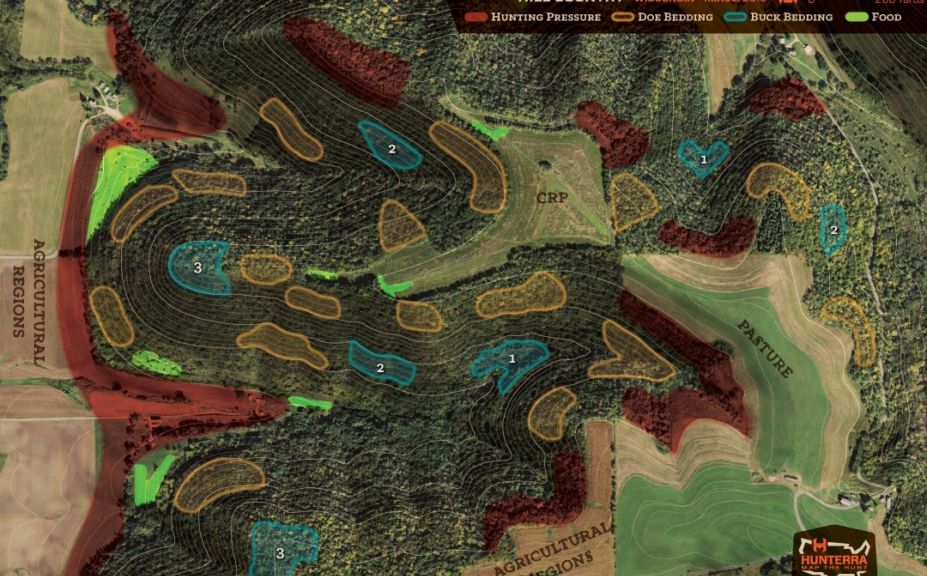
By early October, bucks have shed velvet, broken up bachelor groups, and begun establishing dominance. With hunting seasons opening and pressure rising, they retreat to core bedding areas — dense thickets, ridge spurs, cedar cover, or swampy lowlands — where they feel safest. If your trail cameras go silent, it’s not because the deer are gone; they’ve likely shifted range to avoid detection.
As Jeff Sturgis puts it:
“If you’re not capturing daytime pictures of the deer you’re after, they are most likely not anywhere near the land that you hunt.”
This shift means traditional food-plot hunting at dawn and dusk often fails. Instead, mature bucks move short distances under cover, feeding briefly before returning to thick security cover.
Where to Set Up
Focus on areas within 200 yards of dense bedding cover, especially where terrain naturally funnels movement. Ideal spots include:
– South-facing slopes (warmer and more sheltered in fall).
– Creek bottoms with heavy timber.
– Cedar or pine thickets.
– Swamps or lowland thickets.
Look for fresh rubs, small scrapes, and high-use trails leading into thick cover. These are signs of active buck movement and prime stand locations.
Best Times to Hunt Bedding Edges
- Late morning (10 a.m.–12 p.m.): Bucks often slip out after sunrise to feed or water.
- Mid-afternoon (2–4 p.m.): They return from feeding or make short trips.
- Evening (4–7 p.m.): Prime time as they exit bedding to forage.
Set up stands to intercept deer leaving or returning to bedding, not just traveling to distant fields. Position yourself where you can catch them moving under cover.
Target Hidden Food Sources
Avoid High-Pressure Feeding Areas
Large agricultural fields, open food plots, and oak flats may draw deer — but mostly at night. Deer know they’re exposed, so they wait until dark to feed. Instead, focus on pass-through food sources located between bedding and primary feeding zones.
Characteristics of Ideal Hidden Feeding Zones
- Within 350 yards of major food sources.
- Surrounded by 75+ yards of thick cover on three sides.
- Contains greens, apples, soft mast, or browse — not just corn or beans.
- Experiences minimal human activity.
These areas act as natural funnels where deer feed safely during daylight hours.
Why “Greens” Matter in October
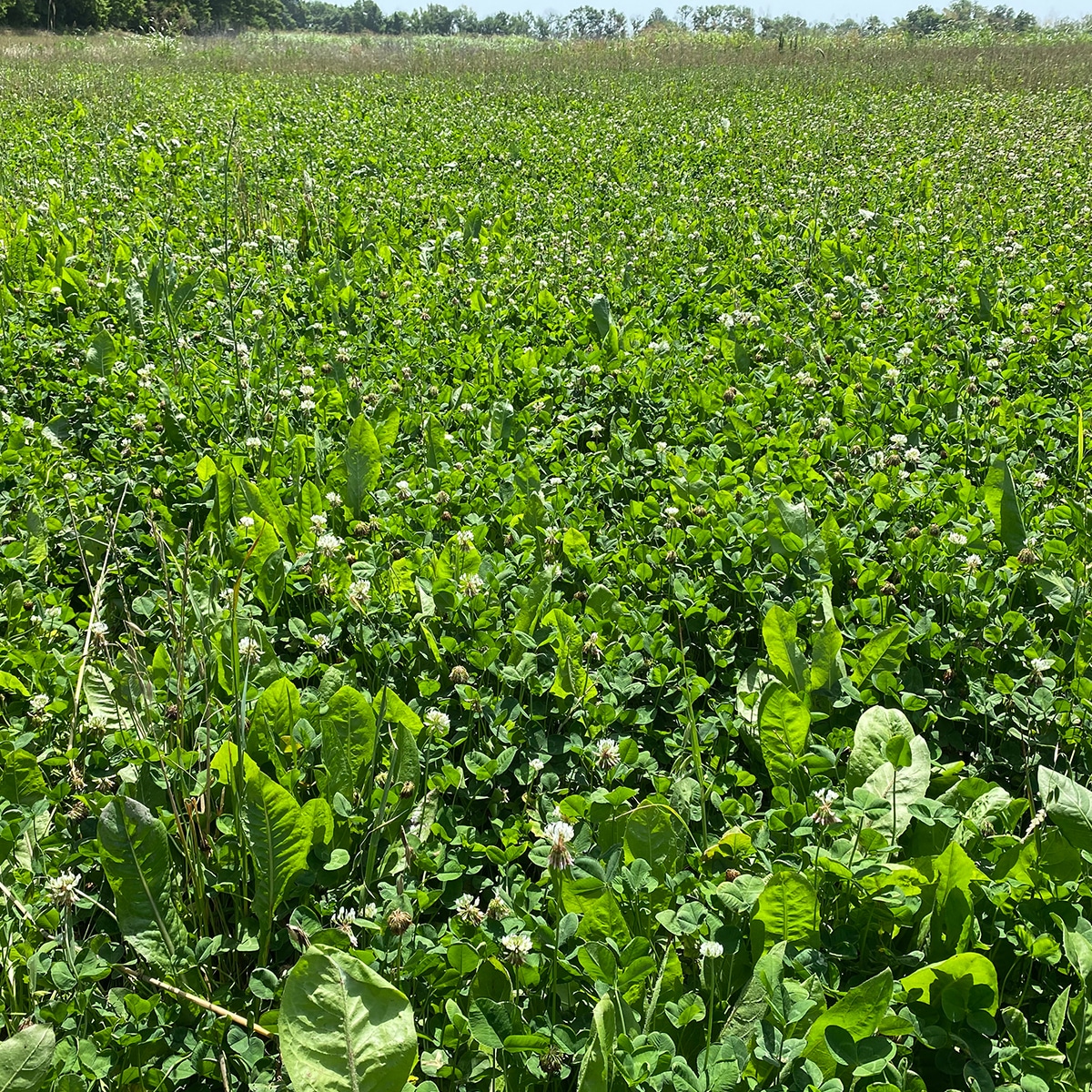
After feeding on dry, low-digestibility foods like corn or acorns, deer crave moisture-rich greens like clover, chicory, or soybeans. Think of these plots as “deer smoothies” — a metabolic reset that aids digestion and hydration.
“Think of greens as a drink of water for deer feeding on a high volume of dry, low digestible food sources.”
Plant or maintain small green plots near bedding areas to pull bucks into daylight without pressure. These low-profile food sources are often overlooked — and that’s exactly why they work.
Leverage Cold Fronts for Movement
Cold Fronts Trigger Buck Activity
Warm, humid early October days suppress movement. But when a cold front hits, especially one that drops temps 10–15°F, deer respond immediately. After being locked down by rain or wind, they emerge hungry and ready to move — often in broad daylight.
“The first day with calm conditions, clear skies, and major temperature change, is the can’t-miss day, to be in the woods.” — Whitetail Habitat Solutions
How to Time Your Hunt
- Don’t hunt during the storm — high wind and rain mask your scent but also keep deer bedded.
- Wait until the front passes and winds drop below 15 mph.
- Prioritize evening sits on the first stable day.
- Example: Storm Friday–Sunday → Hunt Monday afternoon.
Deer are driven by hunger and changing barometric pressure. The first calm, clear day after a cold front is one of the most reliable triggers for mature buck movement all season.
Hunt Midday Like a Pro
Bucks Move During “Banker’s Hours”
Forget the myth that deer only move at dawn and dusk. In early October, bucks follow a bed-feed-bed cycle with short, secretive midday forays. They’ll slip out to:
– Hidden green plots.
– Apple trees tucked in timber.
– Secluded water sources (springs, cattle tanks).
“Bucks will eat and drink during banker’s hours, but you’ve got to know where and understand why.” — Tony J. Peterson
Conditions That Favor Midday Movement
- Low light under canopy cover.
- Proximity to bedding (<200 yards).
- Incognito food or water sources.
- After a cold front.
How to Execute an All-Day Sit
- Pack light snacks, water, and a sit-stand harness.
- Use multiple stand locations:
- Morning: Travel corridor or river crossing.
- Midday: Hidden food or water source.
- Evening: Field edge or funnel.
- Stay quiet, still, and scent-free.
All-day sits dramatically increase your odds of catching a buck during an unexpected daylight move — especially on public land or pressured private properties.
Use Last Year’s Data to Predict Patterns

Deer Repeat Annual Routines
Mature bucks are creatures of habit. They return to the same bedding areas, rub lines, and feeding routes year after year — often within days of the same calendar date.
“A large amount of my hunting is based on the past because I often see patterns change almost right down to the day of seeing it in years past.” — Dan Infalt
How to Apply Past Scouting Data
- Review trail camera logs from October 10–20 of previous years.
- Identify recurring rub zones, scrape lines, or feeding paths.
- Pre-rig stands in these areas before the window opens.
If a target buck was caught on camera near a clover plot on October 14 last year, expect similar behavior this year — especially if weather aligns.
“Using last year’s pictures to dictate where to hunt this year is the way I approach hunting October.” — OOBoneCollector
Master Stand Access and Discipline
Entry and Exit Without Spooking Bucks
One mistake can ghost a buck for days. Always:
– Enter and exit with favorable wind.
– Use natural funnels (ravines, creek beds) to mask sound and scent.
– Avoid crossing fresh trails or bedding zones.
Plan routes in advance using mapping apps like HuntStand or OnX.
Limit Trail Camera Checks
Every camera visit leaves scent, noise, and visual disturbance. Check:
– Only before or after hunts.
– During midday or poor weather.
– No more than once every 7–10 days.
Use cellular trail cameras to monitor activity remotely and reduce physical intrusion.
“Limit your trips to just before or after your hunts to reduce the chance of spooking deer.”
Prioritize Evening Over Morning Hunts
Evening Sits Yield More Bucks in Early October
While morning hunts dominate November, afternoon and evening are king in early October. Deer begin moving toward food 2–3 hours before dark, and bucks often delay their exit until later in the day — especially in warm weather.
Focus on:
– Field edges with thick cover nearby.
– Funnel points between bedding and food.
– Water access routes (ponds, creeks).
“A priority should be placed on an evening sit… Avoiding morning sits within the same line of expected evening deer movement is a great way to make sure that you are effectively tapping into the full potential.” — Jeff Sturgis
Morning Hunting Gains Value Later
As October progresses (post-October 20), bucks begin actively seeking does. Morning movement increases, especially near travel corridors and observation ridges. Save your best morning stands for late October.
Exploit Key Harvest Windows
October 15–18: The Overlooked Opportunity
This period is often dismissed as part of the “lull,” but it’s prime time for ambush hunting. Bucks may still be patternable and unaware of pressure. Ideal tactics:
– Hunt near water sources (ponds, creeks).
– Use glassing to locate bucks in daylight.
– Target active scrapes and rub lines during cold fronts.
“Over the past five years, every shooter buck the author pursued on their Colorado lease has been seen in daylight during this window.”
October 24–27: The Magic Four-Day Window
Pre-rut kicks into high gear. Bucks increase movement, checking does and patrolling scrapes. This is your best chance for a mature buck before full rut chaos.
Observation-to-Kill Strategy
- Morning glassing: Use binoculars from an elevated point.
- Spot a shooter? Return around noon to set up.
- Hunt with 10–20 mph wind — avoid dead calm.
- Favor south/southeast winds for scent control.
“Don’t wait. Return to the location around noon. Set up in a tree with favorable wind.”
Act fast — this window is short but explosive.
Avoid These Common Mistakes
Overhunting Core Areas
Hunting your best stands too early burns them out. Save prime setups for late October and pre-rut. Early season is for intelligence gathering, not full commitment.
Hunting Destination Food Sources
Cornfields and oak flats are nighttime magnets. Deer avoid them in daylight. Instead, hunt pass-through zones where deer feed under cover.
Ignoring Doe Harvest Strategy
Harvesting does is fine — but do it on the outskirts. Avoid core bedding areas. Retrieve carcasses after dark to minimize disruption.
Burning Out Before the Rut
Hunting hard all October leads to mental and physical fatigue. Some hunters chase mule deer or take breaks to stay sharp. Know your limits.
“Previous experience with hunting hard all of October has lead to early personal burnout, well before the season has closed.”
Gear and Concealment Essentials
Facial Concealment Is Non-Negotiable
Pale skin and facial hair reflect light. Even in low light, a buck can spot a shiny face. Always:
– Wear a wide-brimmed hat under a hooded jacket.
– Keep the hood zipped up.
– Use face paint or a mask if needed.
Scent Control Starts at Home
- Wash hunting clothes in scent-free detergent.
- Store gear in sealed containers.
- Spray boots and stand with scent-eliminating spray before every hunt.
- Enter with the wind at your back.
Hunt Smart in Light Winds
Avoid hunting in 0–5 mph winds — scent drifts unpredictably. Ideal wind: 10–20 mph, steady direction. Use terrain (draws, ridges) to channel scent away from deer paths.
Early October is not a lull — it’s a transition. The most successful hunters don’t wait for the rut. They adapt. They hunt bedding zones. They leverage cold fronts. They use data, discipline, and timing to intercept mature bucks when others are sitting at home.
“Get more aggressive, and go in for the kill on the 1st hunt. And know when to move on to the next spot, next deer, next area.” — Dan Infalt
With the right mindset and these proven early October deer hunting tips, you can tag a trophy before the rut even starts.


0 Comments