You’ve been in your treestand for hours. The wind slices through your gear, your fingers are stiff, and your toes feel like blocks of ice. When that once-in-a-lifetime buck finally steps into range, your hands won’t move fast enough to draw your bow. It’s not lack of skill—it’s cold. And cold doesn’t just ruin comfort; it ruins opportunity.
Staying warm while hunting isn’t about layering up blindly or hoping for mild weather. It’s a science-backed, field-tested system that starts with how you dress, what you eat, and how you manage heat, moisture, and circulation. Whether you’re enduring sub-zero sits in a ground blind or glassing remote ridges in freezing wind, how to stay warm while hunting comes down to smart preparation and precise execution.
The truth is, your body loses heat in four ways: conduction, convection, radiation, and evaporation. Master each, and you stay in the game longer than the rest. This guide delivers the complete system—proven by hunters, backed by physiology, and refined in the harshest conditions.
Let’s break down every step to stay warm, dry, and ready when the moment matters most.
Dress Lightly on the Hike In
Avoid Sweating at All Costs
Sweating before you reach your stand is the fastest way to freeze later. Moisture from exertion turns into conductive chill the moment you stop moving. Your base layer soaks up sweat, and when wind hits damp fabric, your core temperature plummets.
The fix? Dress lighter than you think you need. Wear only a moisture-wicking base layer and a lightweight wind shirt on the approach. Pack your insulated mid and outer layers in your backpack. Once you arrive, rest 10–15 minutes to let your body cool and stabilize before adding layers.
If you do sweat, change into a dry base layer. Cotton traps moisture and kills insulation—always use merino wool or synthetic fabrics that pull sweat away from your skin.
“If you sweat on the way in, you’ll get cold way too fast, and it’ll ruin your hunt.” — Beau Martonik
Adjust Layers Based on Activity
Your body heat changes with movement. Use a modular layering system—a half-zip hoodie or vented jacket lets you dump heat without stripping down. Walk at a steady, low-exertion pace. Rushing builds heat fast; a slow, controlled hike keeps your core stable and prevents overheating.
Master the 3-Layer Clothing System

Base Layer: Keep Skin Dry
Your base layer’s job is moisture management. It pulls sweat away to keep you dry and insulated.
- Merino wool: Naturally odor-resistant, warm when damp, soft on skin
- Synthetic (polyester, polypropylene): Dries faster, more durable, budget-friendly
- Never wear cotton: It holds moisture, loses warmth, and increases hypothermia risk
Fit should be snug—this layer must hug your body without restricting movement.
Top picks: Smartwool, Icebreaker, Under Armour 3.0, First Lite
Mid Layer: Trap Warm Air Close to Your Body
This layer provides insulation by holding warm air in tiny pockets.
- Fleece: Breathable, lightweight, works when damp
- Wool sweaters: Classic warmth (e.g., L.L. Bean Commando Sweater)
- Down: Best warmth-to-weight ratio—but useless when wet
- Synthetic insulation (Primaloft, Thinsulate): Performs in wet conditions, dries fast
Use multiple thin layers instead of one bulky one. This gives you flexibility to adapt to changing temps. Bowhunters: Try an insulated vest to keep your core warm without adding shoulder bulk.
Outer Layer: Block Wind and Weather
Your outer shell must be windproof and breathable. Wind strips heat 25x faster than still air—your jacket and bibs are your last line of defense.
- GORE-TEX, Sitka Stratus, Rivers West: Waterproof, quiet, breathable
- Full coverage: Bibs prevent drafts; parkas with hoods seal in heat
- Test fabric in cold: Some materials stiffen and make noise
Avoid cheap gear. It fails when you need it most.
“Your outer layer must be windproof. That is essential.” — Beau Martonik
Protect Your Feet From Going Numb
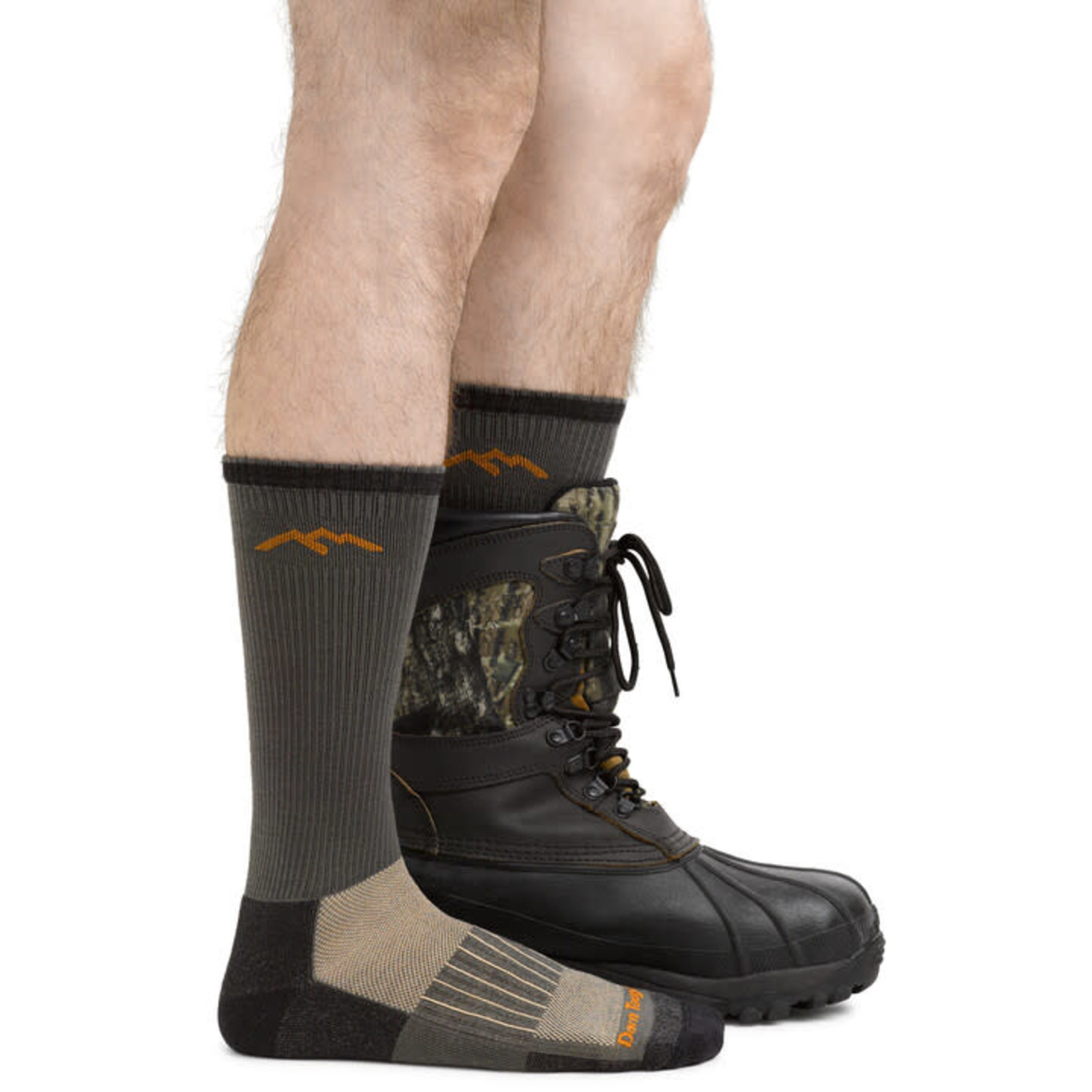
Choose the Right Boots
Cold feet end hunts early. Invest in 1000g–2400g Thinsulate boots like Baffin, Muck Arctic Pros, or Kenetrek Northern.
- Pac boots offer better insulation than rubber boots
- Fit loosely: Tight boots cut off circulation and cause cold toes
- Double-boot systems let you dry liners overnight
Bring boots into your sleeping bag to warm and dry them.
Use a Two-Sock System
- Liner sock (thin synthetic or silk): Wicks moisture
- Outer sock (merino wool or blend): Insulates and absorbs dampness
Change socks on stand if your feet feel damp.
Top brands: Darn Tough, Smartwool, Icebreaker
Boost Warmth With Accessories
- Chemical toe warmers: Place under toes or on top of feet
- Heated insoles or rechargeable socks: Game-changers for cold-sensitive hunters
- Boot covers (e.g., Arctic Shield): Add insulation and lift feet off cold surfaces
- Apply antiperspirant (Mitchum): Reduces foot sweat—apply night before or morning of hunt
“I use 1200–1500g Thinsulate rubber boots with merino socks and toe warmers. My feet rarely get cold.” — D.J. Randolph
Keep Hands Warm and Shooting-Ready
Use Smart Glove Systems
Cold hands mean missed shots. Use a layered glove strategy:
- Liner gloves (thin synthetic or silk): Worn under heavier gloves
- Flip-top glomitts: Mittens with flip-back fingers for shooting
- Windproof gloves: GORE-TEX or fleece-lined for extreme cold
Bowhunters: Wear thin gloves on your bow hand, keep your trigger hand in a hand muff.
Maximize Hand Warmer Effectiveness
- Disposable (HotHands): Last 8+ hours; place in gloves, pockets, or hand muff
- Rechargeable USB warmers: More sustainable; pre-charge before the hunt
- Place warmers on wrists: Heats blood before it reaches fingers
Store calls and rangefinders in warmers so they’re ready to use.
Use a Hand Muff
A hand muff keeps both hands warm and accessible. Load it with 2–4 hand warmers.
“I use a fleece-lined hand muff with 2–4 hand warmers. My hands heat up fast when I put them in.” — D.J. Randolph
Seal Heat Loss From Head and Face
Wear Multiple Head Layers
Despite the myth, your head loses significant heat due to radiation and wind exposure.
- Insulated beanie (wool or synthetic): First layer
- Balaclava or face mask: Covers nose, mouth, and neck
- Neck gaiter (double-layered): Traps heat and blocks wind
- Pull up your hood: Adds another seal against cold air
“I wear two hats and two layered neck gaiters. It may look funny, but it works.” — Illinois hunter
Use Multi-Layer Face Protection
- First layer: Thin merino face mask
- Second layer: Heavy merino with fleece backing
- Baseball cap over top: Holds layers in place
- Snap hoodie up: Creates a windproof seal at the neck
Fuel Your Body Like a Furnace
Eat High-Calorie, High-Fat Foods
Your body burns calories to make heat. In extreme cold, you need 4,000–4,500 calories per day.
Pack:
– Cheese, pepperoni, nuts, chocolate
– Snickers, granola bars, trail mix (GORP)
– Coconut oil (high in saturated fat, burns slowly)
Drink Warm Fluids
Dehydration reduces cold tolerance. Drink warm, non-diuretic fluids:
- Coffee (in moderation)
- Tea, hot chocolate, tomato soup (in a thermos)
Pro tip: Pre-heat your thermos with boiling water before filling.
Avoid alcohol—it dilates blood vessels and increases heat loss.
“Tomato soup in a thermos provides heat and nutrition.” — Bob Humphrey
Insulate From the Ground
Use Seat and Foot Pads
Up to 50% of conductive heat loss happens through contact with cold surfaces.
- Seat pad: Closed-cell foam, backpacking pad, or Hunt Comfort gel cushion
- Butt pad: One for sitting, one for standing (mountain hunting)
- Elevate feet: Use plywood, cardboard, or foam under boots
- Scrap carpet: Place under feet in metal stands
“Sitting on a gel pad keeps the metal stand from robbing heat from my backside.” — Illinois hunter
Use Heated Gear Strategically
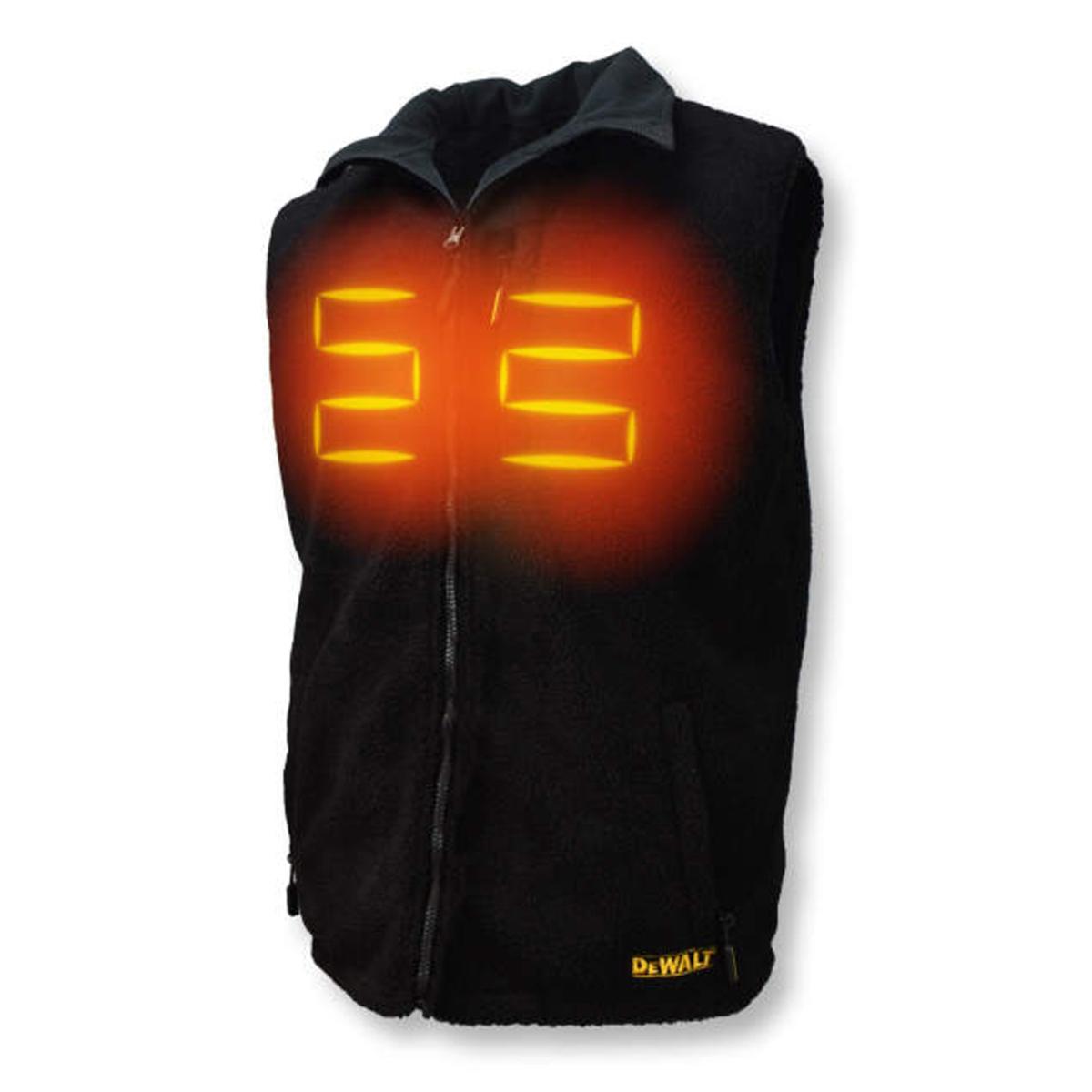
Wear a Rechargeable Heated Vest
Heated vests (Milwaukee, Dewalt, Patagonia) use lithium-ion batteries (M12, M18) to provide active warmth.
- Place hand warmers in internal pockets or kidney zones
- Lasts 4–8 hours depending on heat setting
- Magnetic pockets (First Lite) let you swap batteries without removing gloves
“A heated vest powered by a Dewalt battery is a game changer.” — Multiple hunters
Try Heated Insoles or Socks
Ideal for long sits. Rechargeable models eliminate reliance on disposables.
Stay Active Without Spooking Game
Use Micro-Movements to Circulate Blood
Don’t rely on shivering. Stay warm from within:
- Wiggle toes and fingers
- Tense and release quads, abs, and glutes
- Stand and stretch during lulls
- Relax abdominal muscles slightly—military trick to improve blood flow
Movement keeps blood circulating without alerting game.
Manage Mental Focus in the Cold
Stay Engaged to Beat Boredom
Boredom makes cold feel worse. Stay mentally sharp:
- Bring snacks
- Listen to music (quietly)
- Hunt with a partner
- Focus on glassing or scouting
“Boredom amplifies cold perception—stay focused on the hunt.” — Article 1
Accept Discomfort as Part of the Game
You will get cold. You will warm up again.
“You will get cold. You will warm up again.” — Mountain hunter
Train for cold with cold showers or reduced bedding to build tolerance.
Address Medical and Sensitivity Factors
Know Your Cold Sensitivity
Some people get cold faster due to:
– Low body fat
– Poor circulation
– Hypothyroidism
– Raynaud’s, diabetes, or neuropathy
If you’re always cold—even indoors—see a doctor. Consider thyroid testing.
Modify Gear for Your Needs
- Sew fleece pockets into pants for hand warmers (thighs, lower back)
- Use binocular straps with clips to avoid bunching
- Apply scentless lotion to prevent cracked skin
“I’m one of those people who gets cold really easily—even indoors.” — Cold-sensitive hunter
Use Portable Heat Sources Wisely
Run Propane Heaters in Blinds
- Mr. Heater Buddy: Use only in well-ventilated blinds
- Turn on periodically to “take the chill off”
- Bring extra fuel and a lighter
Avoid open flames—carbon monoxide is a silent killer.
Try Full-Body Heat Systems
- Heater Body Suit or Warm Bag: Sleeping bag with legs—ideal for ground blinds
- SITKA Kelvin Hyper Down Jacket & Pants: Lightweight (under 19 oz), compressible, high warmth-to-weight
Final Checklist: Stay Warm All Season
Core Rules to Remember
- No cotton – It’s the enemy of warmth.
- No sweating – Dress light on the hike in.
- Insulate from the ground – Use pads or foam.
- Protect extremities – Feet, hands, head, core.
- Fuel your body – Eat high-fat foods, drink warm fluids.
- Move smart – Circulate blood with micro-exercises.
- Use technology – Heated gear, chemical warmers, windproof shells.
Must-Have Gear List
- Merino wool base layers
- Fleece or synthetic mid-layers
- Windproof, waterproof outer shell (Sitka, GORE-TEX)
- 1200–1800g insulated boots
- Liner + wool sock system
- Chemical or rechargeable hand/toe warmers
- Heated vest or insoles
- Insulated seat pad
- Neck gaiter, balaclava, beanie
- Thermos with warm drink
- High-calorie snacks
- Hand muff
- Extra dry socks and layers
“A warm hunter is quieter, mentally focused, on the hunt longer, and more likely to be successful.” — Jennifer Pudenz
With the right system, you don’t need a heated blind. You can stay warm, alert, and in the game—until the last day of the season.

0 Comments