You’ve just returned from a long day in the field—mud-caked boots, damp socks, and that familiar earthy scent clinging to your gear. Your hunting boots took the brunt of the terrain, weather, and miles, but now they need attention. Knowing how to wash hunting boots properly is critical to maintaining their performance, comfort, and longevity. A quick rinse won’t cut it. Done wrong, cleaning can destroy waterproof membranes, crack leather, or warp rubber. Done right, it preserves traction, prevents odor, and keeps your feet dry season after season.
This guide breaks down exactly how to wash hunting boots based on material—leather, synthetic, rubber, and neoprene—using safe, manufacturer-backed methods. You’ll learn what tools to use, how to dry boots without heat damage, and how to prevent common mistakes that silently ruin your investment. Whether you’re cleaning a $500 pair of full-grain leather boots or a rugged set of Muck Boots, this step-by-step system ensures your gear stays field-ready.
Remove Laces and Insoles
Before any cleaning begins, prepare your boots for a thorough treatment. Skipping this step leaves dirt, sweat, and bacteria trapped in hidden areas.
Pull Out Insoles
Remove the footbeds to clean both the interior and insole separately. Sweat and moisture accumulate here, leading to odor and membrane breakdown over time. If insoles are removable, soak them in warm, soapy water for 10 minutes. Scrub gently with a soft brush, then air dry completely. Never force-dry them with heat—this warps the foam and reduces cushioning.
Untie and Remove Laces
Take out laces to access the tongue, collar, and eyelet channels. Dirt and mud collect under the laces and along stitching lines. Wash laces in soapy water or replace them if frayed or stiff. This also gives you a chance to inspect eyelets for corrosion or wear.
Pro Tip: Label or bag components if cleaning multiple pairs. This avoids mix-ups and keeps your system organized.
Clean Leather Hunting Boots

Leather boots demand gentle cleaning and regular conditioning. They’re durable but porous—improper washing leads to drying, cracking, or shrinking.
Brush Off Surface Debris
Use a soft-bristled horsehair or nylon brush to knock off dried mud. Work from the top down to avoid pushing dirt deeper into pores. For caked-on grime, let the mud dry first, then brush—it’s easier to remove without smearing.
Wipe with Damp Cloth and Saddle Soap
Dampen a microfiber cloth with clean water and wipe the upper. For stained areas, apply a saddle soap solution (1 tsp per cup of warm water). Use circular motions along seams and stitching. Avoid soaking—leather absorbs water like a sponge, weakening glue bonds.
Warning: Never submerge leather boots. Soaking causes warping, delamination, and permanent shape loss.
Dry at Room Temperature
Stuff boots with crumpled newspaper to draw out internal moisture and maintain shape. Replace paper every few hours. Dry in a well-ventilated room—never near a heater, radiator, or in direct sunlight. Full drying may take 24–48 hours.
Condition to Prevent Cracking
Once completely dry, apply a leather conditioner:
– Mink oil: Deep penetration, enhances water resistance, slightly darkens leather.
– Obenauf’s Heavy Duty LP: Beeswax-based, provides long-lasting protection.
Apply with fingers or cloth in circular motions. Buff with a horsehair brush to remove excess. Conditioning restores natural oils lost during cleaning and wear.
Why It Matters: Leather is animal skin. Without hydration, it splits at stress points—especially at the toe bend.
Re-Waterproof When Needed
After conditioning, apply a silicone-based spray like Obenauf’s Water Shield. Do not use before conditioning—waterproofing seals in dryness. Reapply when water no longer beads on the surface.
Wash Synthetic Hunting Boots
Synthetic uppers (nylon, polyester, mesh) are lightweight and breathable but rely on coatings for water resistance. Harsh detergents strip these finishes.
Identify Waterproof vs. Water-Resistant
- Waterproof boots (e.g., Gore-Tex lined): Can be briefly soaked.
- Water-resistant boots: Should never be submerged—clean with damp cloth only.
Soak and Scrub (Waterproof Models)
Fill a basin with warm water and mild dish soap (e.g., Dawn). Soak boots for 5–10 minutes. Use a small brush to scrub stained areas. Rinse thoroughly with clean water to remove soap residue.
Spot Clean (Water-Resistant Models)
Run under gentle tap water. Wipe with a soapy microfiber cloth. Focus on muddy zones and the tongue base. Avoid soaking to preserve DWR (Durable Water Repellency) coatings.
Clean the Interior
Wipe the inside with a damp cloth and mild soap solution. Target crevices, heel cup, and tongue underside. Salt from sweat degrades linings—cleaning prevents premature leaks.
Restore Water Repellency
After drying, spray with a DWR treatment like Nikwax or Obenauf’s Water Shield. These restore beading action without clogging breathable membranes.
Never Use: Mink oil, saddle soap, or leather conditioners—these damage synthetic fibers.
Clean Rubber and Neoprene Boots

Rubber boots (e.g., Muck Boots) are fully waterproof but prone to cracking if dried with heat or exposed to harsh chemicals.
Rinse with Cold Water
Remove insoles and rinse the boot under cold running water. For stubborn mud, use a mild detergent solution. Scrub with a soft cloth or brush.
Avoid: Bleach, solvents, or petroleum-based cleaners—they degrade neoprene and rubber bonds.
Dry Without Heat
Stuff with newspaper and air dry at room temperature. Keep away from direct sunlight, radiators, or car dashboards. Heat causes “crazing”—fine cracks that compromise waterproofing.
Condition the Upper Rubber
Once dry, apply a rubber-safe conditioner:
– Armor All®
– Wax polish
– Diluted liquid detergent
These keep rubber supple and UV-resistant. Do not apply to the outsole—it can become slippery on ice or wet terrain.
Store Upright and Cool
Keep in a cool, dark, dry place—like under-stair storage or a ventilated closet. Store upright to prevent creasing. Place baking soda inside to absorb odors.
Manufacturer Tip: “Your boots like their home to be cool, well-ventilated, and dry.”
Dry Boots Safely and Effectively
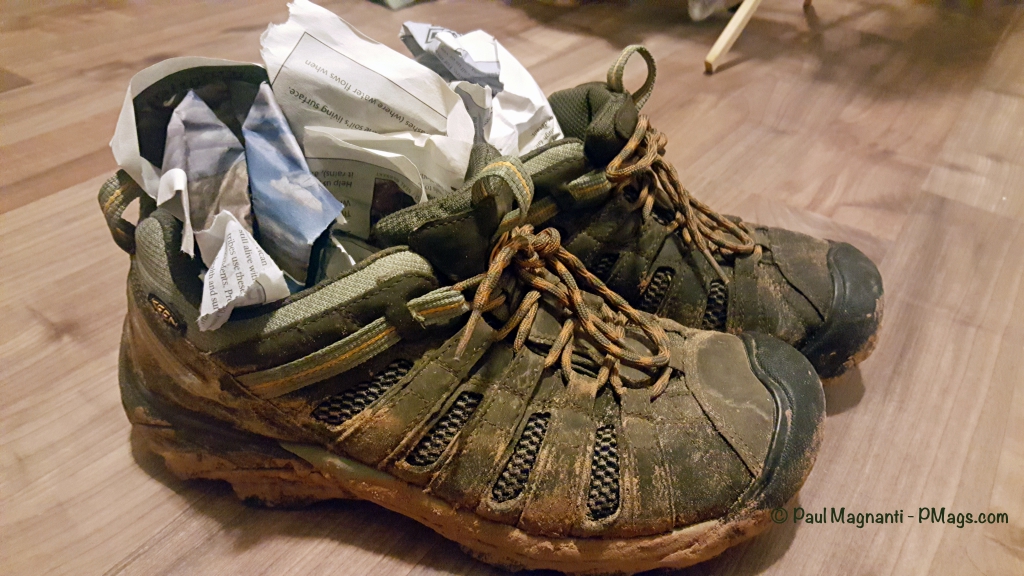
Improper drying is the #1 cause of boot failure. Heat destroys adhesives, shrinks leather, and cracks rubber.
Use Newspaper to Absorb Moisture
Crumpled newspaper pulls moisture from the inside out. Replace every 2–4 hours for faster drying. Avoid paper towels—they don’t absorb as well.
Air Dry Only
Place boots in a well-ventilated room at room temperature. Keep away from:
– Radiators
– Fireplaces
– Hair dryers
– Ovens
– Sunlit car interiors
Expert Warning: A hair dryer can delaminate soles or make leather brittle within minutes.
Never Use Mechanical Dryers
Washing machines and dryers are off-limits. Agitation breaks down stitching, warps midsoles, and ruins waterproof membranes. Even “gentle” cycles are too harsh.
Eliminate Odor and Bacteria
Sweat and damp interiors breed odor-causing bacteria. Left unchecked, this degrades linings and insoles.
Wipe Interior After Every Use
Use a damp microfiber cloth with mild soap to wipe high-moisture zones. Focus on the heel, toe box, and tongue base. Let dry completely before storing.
Spray with Natural Deodorizer
Apply a plant-based spray containing:
– Cedar
– Tea tree oil
– Eucalyptus
These essential oils neutralize bacteria instead of masking smells. Spray immediately after removing boots.
Pro Tip: “A quick spray works wonders. It actually kills the funk, not just covers it up.”
Prevent Odor Buildup
- Wear moisture-wicking, antimicrobial socks.
- Rotate boots—never wear the same pair two days in a row.
- Store with baking soda in a breathable bag or bin.
Store Boots for Longevity
Proper storage prevents material fatigue, UV damage, and mold.
Choose the Right Location
Ideal storage is:
– Cool (60–70°F)
– Dry (low humidity)
– Dark (no direct sunlight)
– Ventilated
Avoid garages or attics—temperature swings degrade rubber and dry leather.
Keep Upright with Newspaper
Store boots upright to prevent creasing. Stuff with newspaper to maintain shape and absorb residual moisture. Replace paper monthly if storing long-term.
Use a Ventilated Bin
Place boots in a plastic bin with air holes. Add baking soda to the bottom to control odors. Label the bin for easy access.
Manufacturer Rule: “Store them upright to avoid folding or creasing.”
Follow a Maintenance Schedule
Regular care prevents big problems. Use this schedule to keep boots in peak condition.
After Every Hunt
- Remove laces and insoles
- Brush off debris
- Wipe exterior and interior
- Stuff with newspaper
- Air dry
- Spray with deodorizer
Monthly (During Hunting Season)
- Deep clean based on material
- Reapply DWR or waterproofing
- Inspect for wear, replace laces or insoles
Start/End of Season
- Clean and condition thoroughly
- Re-waterproof leather
- Store properly
Expert Advice: “Condition leather boots every 2–3 months. In extreme conditions, do it monthly.”
Use the Right Tools and Products
Using the correct tools ensures effective cleaning without damage.
Essential Cleaning Tools
- Soft-bristled brush – Removes dirt safely
- Microfiber cloth – Non-abrasive, ideal for interiors
- Small scrub brush – For outsoles and tough stains
Recommended Products
| Product | Best For | Notes |
|---|---|---|
| Saddle soap | Leather | Use sparingly |
| Obenauf’s Clean It | Leather | Plant-based, no sulfates |
| Mink oil | Leather | Darkens slightly |
| Obenauf’s Heavy Duty LP | Leather | Long-lasting beeswax formula |
| Obenauf’s Water Shield | All types | Re-waterproofs after conditioning |
| Nikwax | Synthetic | Restores DWR |
| Armor All® | Rubber uppers | Avoid outsole |
| Boot jack | Removal | Prevents heel collapse |
Avoid Common Cleaning Mistakes
Even small errors can ruin expensive boots. Steer clear of these pitfalls:
❌ Soaking Leather Boots
Causes glue failure, warping, and stitching rot. Always spot clean.
❌ Using a Washing Machine
Destroys waterproof membranes, warps soles, and breaks adhesives.
❌ Drying Near Heat
Leather shrinks, rubber cracks, and foam midsoles degrade.
❌ Skipping Conditioning
Dry leather splits—especially at high-flex zones.
❌ Ignoring the Interior
Salt from sweat breaks down Gore-Tex linings. Clean the inside every time.
❌ Using Harsh Chemicals on Rubber
Solvents and bleach degrade neoprene and rubber integrity.
Critical Fact: “If your ‘waterproof’ boot starts leaking, it might be your sweat—salt wears holes in membranes over time.”
Final Note: Cleaning hunting boots isn’t just about looks—it’s about performance, safety, and value. A $300 pair treated right can last a decade. The same boots neglected for a season may fail when you need them most. By following these material-specific steps, drying safely, and storing correctly, you protect your investment and keep your feet dry, comfortable, and ready for every hunt. Treat your boots well—they’ve earned it.


0 Comments