So you’re ready to learn how to begin hunting—maybe you’ve never fired a rifle, didn’t grow up in a hunting family, or feel completely lost amid all the gear, laws, and lingo. That’s okay. Thousands of adults just like you start hunting every year with zero experience. The key isn’t being born into it—it’s taking that first step with clarity, commitment, and the right plan.
Hunting isn’t just about harvesting meat. It’s about self-reliance, connecting deeply with nature, and mastering skills that have sustained humans for thousands of years. But diving in can feel overwhelming. Where do you start? What do you need? Is it even legal?
This guide cuts through the noise. Based on real advice from seasoned hunters, official state regulations, and proven beginner paths, you’ll learn exactly what to do—step by step—to go from curious newcomer to ethical, capable hunter. No fluff. No jargon. Just clear, actionable steps that work.
By the end, you’ll know how to get certified, choose your first animal, find land, and stay safe—all without wasting money or breaking the law.
Complete Hunter Education First
Before buying a gun or license, your first move is mandatory: complete your state’s official hunter education course.
Why Certification Is Non-Negotiable
Every U.S. state requires hunter safety certification for first-time license buyers. This isn’t just a box to check—it’s your foundation. The course teaches life-saving firearm safety, wildlife ethics, survival skills, and how hunting supports conservation through programs like the Pittman-Robertson Act.
You’ll learn:
– How to safely handle and transport firearms
– How to identify game animals vs. protected species
– How to read topographic maps and use GPS in the field
– What to do if you get lost or injured
– The legal and ethical responsibilities of a hunter
“Start with completing hunter safety in your state. That will take a big chunk out of your questions.” – r/hunting user
Enroll in Your State’s Official Course
Visit your state’s Fish & Wildlife Department website—like wdfw.wa.gov for Washington or tpwd.texas.gov for Texas. Search “Hunter Education” to find your options:
- Online: Self-paced, great if you’re busy. Some states require an in-person final exam.
- In-Person: Hands-on instruction with certified instructors. Best for visual or kinesthetic learners.
- Hybrid: Online lessons plus a single field day for practical training. Common in states like Colorado and Washington.
Most courses cost $15–$30 and take 8–12 hours. Once completed, you’ll receive a lifetime certification recognized in all 50 states.
Pro Tip: Some states, like Illinois and Michigan, offer apprentice licenses. These let you hunt before certification—as long as you’re under direct supervision of a licensed, experienced hunter.
Know Your Legal Requirements
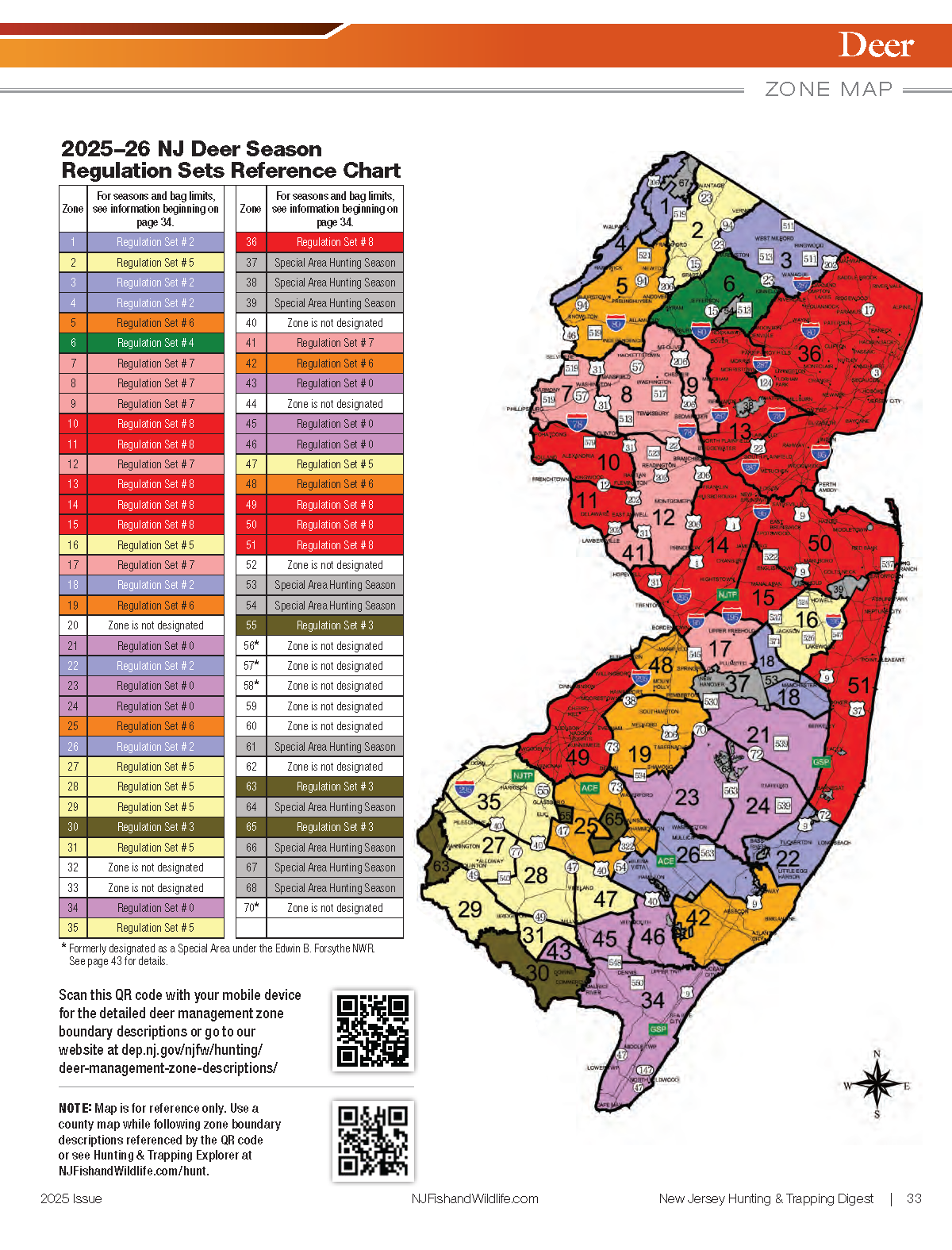
Hunting is highly regulated. Ignoring the rules can lead to fines, gear confiscation, or even criminal charges.
Understand Licenses, Tags, and Seasons
Each state has its own system. Key terms you must know:
- License: Required for all hunters. Costs $20–$50 for residents.
- Tag: A species-specific permit needed to harvest animals like deer or turkey.
- Season: Strict dates when hunting is allowed. Varies by animal, region, and weapon type.
- Bag Limit: The maximum number of animals you can legally take.
- Game Management Unit (GMU): Geographic zones with unique rules and quotas.
Example: In Washington, Eastern and Western GMUs have separate deer seasons and tag types.
Access Beginner-Friendly Programs
Some states help new hunters get started:
- Deferral Programs (e.g., Washington): Ages 10+ can hunt under supervision of a licensed hunter (18+, 3+ years’ experience). A $20 fee applies.
- Mentored Adult Hunts: Special seasons with more tag availability and lower barriers to entry.
Action Steps Now
- Download your state’s official hunting regulations (e.g., “2024–2025 Big Game Regulations”).
- Read it twice. Highlight key dates, zones, and restrictions.
- Use onX Hunt or GoHunt.com to visualize public land boundaries, GMUs, and access roads.
- Carry a printed copy or digital version in the field.
“Read the game regulations… then read them one more time.” – r/hunting veteran
Choose the Right First Game Animal
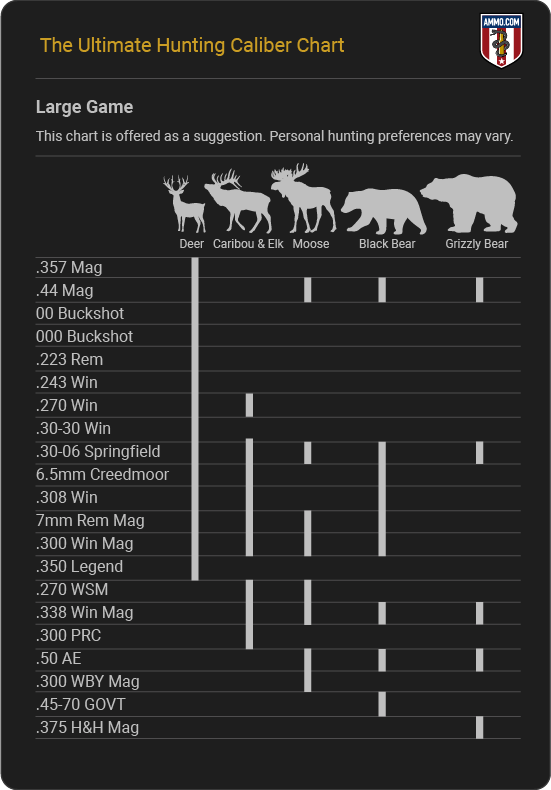
Your first hunt shouldn’t be elk. Start small. Build confidence.
Best Animals for Beginners
| Animal | Why It’s Ideal |
|---|---|
| Squirrel | Abundant, quiet hunting, teaches stealth and woodsmanship. Great near cities. |
| Rabbit | Fast-moving, improves shot timing. Low-cost entry with .22 LR. |
| Wild Turkey | Teaches calling, camouflage, and wind use. Beginner seasons available. |
| Deer (Whitetail/Mule) | Popular goal. Requires scouting. Best after small-game experience. |
| Feral Hogs | Year-round seasons in many states. Invasive species. High success rates. |
Avoid These as First Targets
- Elk: Success rates under 15%. Often requires drawn tags and backcountry fitness.
- Bear/Moose: Complex rules, expensive tags, advanced skills.
- Predators (Coyote, Bobcat): Require calling expertise and night hunting knowledge.
“I had no idea elk hunting had such a low success rate! I had that pegged as my big goal.” – New hunter on Reddit
How to Decide
Ask yourself:
– Why hunt? For food? Start with deer or turkey. For adventure? Try squirrel or hog.
– Where do you live? Urban? Squirrel and rabbit. Rural Midwest? Deer and turkey thrive.
– How much time? Small game = short weekend trips. Big game = multi-day scouting and hunting.
“If you live in Illinois, I’d recommend squirrel and/or turkey first… skills transfer to deer.” – r/hunting advice
Get Essential Gear—Start Simple
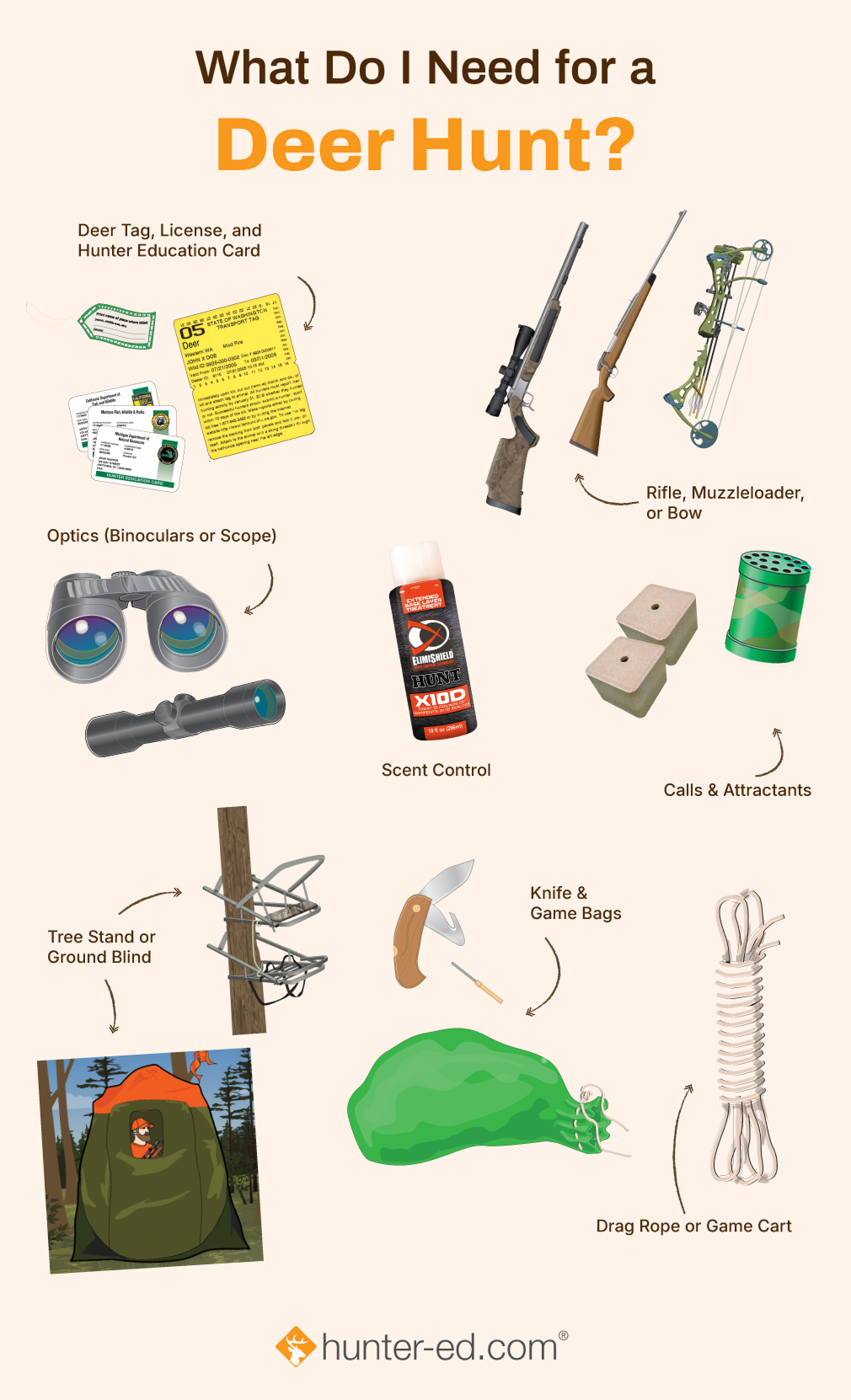
You don’t need $5,000 in gear to begin. Focus on safety, function, and comfort.
Match Weapon to Game
| Game | Recommended Weapon | Notes |
|---|---|---|
| Squirrel/Rabbit | .22 LR rifle | Cheap ammo, low recoil, accurate at 50–100 yards |
| Turkey | 12-gauge shotgun with turkey loads | Needs tight choke and #4–#6 shot |
| Deer | Centerfire rifle (.270 Win, .30-06, .308) | Proven effectiveness. Military surplus (e.g., Lee Enfield) works |
| Archery | Compound bow (50–60 lbs draw) | Steeper learning curve. Practice weekly |
“I hunt almost exclusively with a Lee Enfield (.303 British) that is 80 years old.” – Veteran hunter
Must-Have Gear Checklist
- Firearm or Bow: Primary tool. Practice before the season.
- Ammunition/Arrows: Match to weapon and game. Consider non-lead for environmental safety.
- Blaze Orange Clothing: Required in most states during firearm seasons.
- Hiking Boots: Waterproof, insulated, quiet tread. Worth every dollar.
- Fixed-Blade Knife (4–6”): For field dressing. Keep sharp.
- First Aid Kit: Include tourniquet, gauze, gloves—trauma-ready.
- Backpack (20–30L): Carry water, food, tools, game bags.
- Binoculars (8×42 or 10×42): Spot animals before moving in.
- Navigation: GPS (Garmin), paper map, compass. No cell service in the wild.
- Game Bags: Breathable mesh to transport meat without spoilage.
“Don’t go gear crazy. Good boots and knife are a must. Everything else is an opinion.” – r/hunting tip
Find Legal Hunting Land
No land? No problem. But you must hunt legally.
Hunt Public Land
Free or low-cost access on:
– National Forests
– Wildlife Management Areas (WMAs)
– Bureau of Land Management (BLM) land
Use apps:
– onX Hunt: Shows public/private boundaries, trails, topography
– GoHunt.com: Interactive GMU maps, harvest data, season overlays
“I hunt on public land a lot, and have never had a bad experience.” – r/hunting user
Scout Before the Season
Visit in summer or early fall to:
– Find water sources and feeding zones
– Look for tracks, droppings, rubs, scrapes
– Identify funnels (natural animal pathways)
– Set trail cameras to monitor movement
Always approach from downwind—deer smell 10x better than dogs.
Ask for Private Land Access
Many landowners allow hunting if asked respectfully:
– Introduce yourself. Offer to help with chores.
– Promise to follow rules and clean up.
– Offer to share meat from your harvest.
Build trust. Offer value. Relationships open doors.
Consider a Guided Hunt
Worth it for your first harvest:
– Pros: Access to private land, mentorship, higher success
– Cons: Cost ($1,000–$5,000+), not all guides teach
Look for:
– “First-timer” or “meat hunts”
– Species with high populations: Axis deer, feral hogs, coyotes
– Year-round seasons (fewer restrictions)
“A guide can help you learn—if they’re willing to teach.” – r/hunting insight
Build Core Hunting Skills
Hunting is a skill, not luck. Practice these fundamentals.
Master Marksmanship
- Range Practice:
- Zero your rifle at 100 yards.
- Shoot from field positions: kneeling, prone, off-hand.
- Simulate real conditions: angled shots, shooting through brush.
- Archery:
- Practice weekly. Focus on form and consistency.
- Broadheads fly differently than field tips—test them.
“Learning to shoot safely takes time, commitment, and the right gear.” – r/hunting advice
Learn to Scout and Track
- Desktop Scouting: Use Google Earth or onX to study terrain.
- Field Scouting:
- Hike off-season. Look for tracks, bedding areas, rubs.
- Set trail cameras near water or food sources.
- Wind Awareness: Always position yourself downwind of game.
Try Different Hunting Techniques
- Still Hunting: Move slowly and quietly through likely areas.
- Stand Hunting: Wait in concealment near trails or food sources.
- Calling: Use turkey yelps or deer grunts to attract animals.
- Stalking: Close the distance after spotting game.
“The best way to learn is to go out and try it. You’ll make mistakes—but you’ll learn.” – r/hunting veteran
Join a Hunting Community
You don’t have to go it alone. Community speeds up learning.
Connect With Other Hunters
- Clubs: Ducks Unlimited, Pheasants Forever, National Wild Turkey Federation
- Local Gun Ranges: Talk to regulars. Ask questions.
- Online Forums: r/hunting, ArcheryTalk, HuntingNet
- Podcasts: MeatEater, The Hunting Public
- Books: The Complete Guide to Hunting, Butchering and Cooking Wild Game by Steven Rinella
Find a Mentor
A good mentor is priceless:
– Ask at shooting ranges or outdoor stores.
– Look for state-sponsored mentorship programs.
– Be respectful: don’t ask to hunt their secret spots.
– Show up early, listen, help clean gear, offer to cook.
“Trial and error are very slow teachers. It’s always best if you have someone to learn from.” – Hunting 101
Prepare for Harvest and Butchering
Ethical hunting means using the animal fully.
Field Dress Immediately
Within 30 minutes of harvest:
– Wear gloves. Use a clean, sharp knife.
– Remove internal organs to cool the body cavity.
– Place meat in breathable game bags.
– Hang in shade or cool area if processing later.
Process the Meat
- Cool meat fast: use a cooler with plug open for drainage.
- Age venison 3–7 days for better tenderness.
- Cut into roasts, steaks, stew meat, or grind for burgers.
- Use everything: ribs, neck meat, bones for broth.
“Try to use as much of the animal as you can. Grind that rib meat.” – r/hunting tip
Butcher Options
- DIY: Learn cuts with YouTube tutorials or books.
- Processor: Many offer aging, cutting, wrapping, and sausage-making for $50–$100.
Stay Safe and Track Progress
Your safety and growth matter more than any harvest.
Follow Firearm Safety Rules
- Treat every gun as if loaded.
- Never point at anything you don’t intend to shoot.
- Keep finger off trigger until ready.
- Know your target and what’s beyond it.
- Wear blaze orange during firearm seasons.
- Carry a PLB (Personal Locator Beacon) in remote areas.
Keep a Hunting Journal
Record each trip:
– Date, location, weather
– Animal sightings and behavior
– Decisions made, mistakes, lessons
Review it yearly. See how far you’ve come.
Measure Success by Growth
Your first hunt may not result in a harvest—and that’s okay. Success is:
– Completing your safety course
– Scouting new land
– Making a clean shot (even if you miss)
– Learning from mistakes
“The worst day afield still beats the best day at the office.” – Fred Bear (paraphrased)
Final Step-by-Step Action Plan
| Step | Action |
|---|---|
| 1 | Enroll in and complete your state’s Hunter Education course |
| 2 | Study your state’s hunting regulations thoroughly |
| 3 | Choose a beginner-friendly game species (squirrel, rabbit, turkey) |
| 4 | Buy your license and any required tags |
| 5 | Acquire basic gear: firearm/bow, knife, boots, blaze orange, backpack |
| 6 | Practice shooting weekly at a range |
| 7 | Scout public or private land using onX or GoHunt |
| 8 | Join a hunting club or online community |
| 9 | Consider a guided hunt for your first harvest (optional) |
| 10 | Go hunting—start small, stay safe, learn continuously |
Final Note: Beginning hunting as an adult is not only possible—it’s powerful. You’re joining a tradition of self-reliance, conservation, and deep connection to nature. With the right mindset, training, and persistence, you’ll make your first harvest, fill your freezer with wild meat, and create memories that last a lifetime.
Start today. Take the course. Buy the license. Step into the woods.
The path is open.
0 Comments