If you’re ready to build a duck hunting pond that consistently draws in migrating waterfowl, you’re not just digging a hole and filling it with water—you’re creating a dynamic wetland ecosystem. A successful duck pond provides food, shelter, and confidence, making it a prime stopover during migration. When designed and managed correctly, it becomes a magnet for mallards, teal, pintails, and more, offering reliable hunting opportunities year after year. This guide walks you through every critical phase—from choosing the right site and testing your soil to planting native vegetation, managing water levels, and minimizing hunting pressure. Whether you’re starting from scratch, converting a swamp, or enhancing an existing wetland, these proven strategies will help you build a high-performing, sustainable duck impoundment that complies with regulations and supports long-term wildlife health.
Find a Natural Low-Lying Area That Holds Water
Scout for Depressions and Historical Wet Zones
Start by walking your property after a heavy rain to locate natural depressions where water pools. These low-lying areas require less excavation and often have better water-retaining soils. Use Google Earth or satellite imagery to identify old sloughs, abandoned oxbows, or areas with a history of seasonal flooding. These spots already function like wetlands and just need structure and control to become productive duck habitat.
Prioritize Location Within a Major Flyway
Position your pond within or near a recognized migratory flyway—like the Mississippi, Central, or Atlantic Flyway. Ducks follow these aerial highways, and being on the route dramatically increases your chances of consistent visitation. Even a modest 1.5-acre pond in a prime flyway location can outperform a larger, isolated one.
Keep the Pond Open and Away From Trees
Set your pond 75 to 100 feet from woodlines. Ducks avoid landing near trees where branches obstruct flight and predators hide. This buffer zone also gives you clear shooting lanes and better decoy spread visibility. If trees are too close, selectively remove them to create open approach zones that encourage confident landings.
Confirm Your Soil Can Hold Water

Test for High Clay Content Before Digging
Your pond’s success depends on its ability to retain water. Ideal soils contain 55–70% clay, such as Bashaw silty clay, which forms a tight seal. Perform a “ribbon test”: dig a sample, moisten it, and roll it between your hands. If it forms a smooth ribbon without cracking, it’s clay-rich. A slight sheen when rubbed indicates good compaction potential.
Check Permeability With a Simple Water Test
Dig a test hole about 12 inches deep and fill it with water. Monitor the drop over 24 hours. If it drains more than 0.06 inches per hour, the soil is too porous. In such cases, consider importing clay or installing a liner. Avoid sandy or loamy soils unless you’re prepared for expensive water management solutions.
Design a Pond That Mimics Natural Wetlands

Size It for Maximum Duck Use and Manageability
Aim for 1.5 to 2 acres—large enough to attract and hold ducks, yet small enough to manage vegetation, flooding, and drawdowns. Ponds under an acre may only draw a few birds, while oversized ones dilute food sources and reduce effective hunting range. This size also simplifies maintenance and construction.
Shape It With Irregular, Natural Shorelines
Avoid perfect circles or rectangles. Instead, use aerial maps to copy the organic curves and peninsulas found in wild wetlands. Irregular shapes create more edge habitat—where ducks feed—and improve concealment for hunters. Let the land’s natural contours guide your layout.
Create Depth Zones for Different Duck Species
Tailor depths to the ducks you want to attract:
– Dabbling ducks (mallards, teal): 6 inches to 2 feet
– Diving ducks (canvasbacks): Up to 4 feet
– Dual-use (duck and fish): 3–4 ft shelves sloping to 8 ft
Maintain a gradual 8-degree slope from shore to center. This allows easy duck access and promotes aquatic plant growth in shallow zones.
Build a Durable Dike Using On-Site Soil
Form a Continuous Berm From Excavated Soil
Use the soil removed from the pond basin to build a continuous dike around the perimeter. This saves money and ensures compatibility with native soil. The berm should be at least 20 inches above the maximum water level—12 inches for water depth and 8 inches for wave and overflow buffer.
Compact the Dike With Heavy Machinery
Run a bulldozer or skid steer over the dike 3–4 times to compact the clay core. Uncompacted berms settle and crack, leading to leaks. For best results, layer the fill and lightly moisten it before compaction. Verify final height with a laser level or carpenter’s level placed at a known elevation.
Make a Perimeter Cut to Prevent Water Loss
Before excavation, cut a clean trench around the pond’s edge to remove organic debris like dead grass or straw. Organic matter acts like a wick, pulling water out of the pond. Removing it creates a tight seal between the dike and basin.
Install Adjustable Water Control Systems
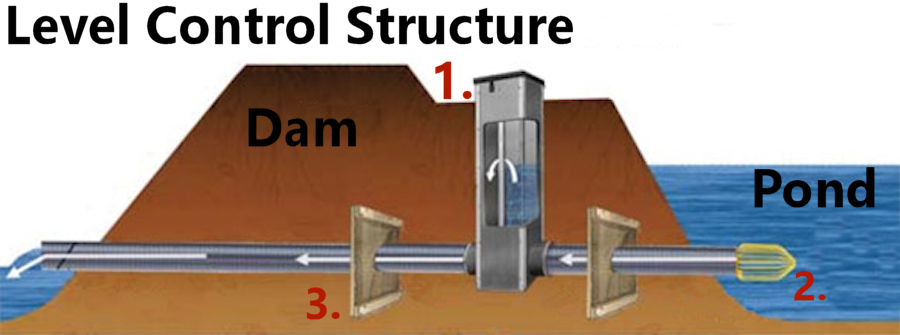
Use a Removable 4-Inch Outlet Pipe
Install a 4-inch ABS pipe with a 90-degree elbow at the outlet. Don’t glue it—secure it with a tee post so you can manually tip it to adjust water levels. Place it in a tailwater zone, and mark monitoring points every 50–75 feet.
Plan Reliable Inlets and Overflow Drains
Connect to a dependable water source using:
– Electric or solar-powered pumps from a creek or reservoir
– Valves from an upstream pond
– Sheet flow from ditches during early rains
Design overflow to drain into adjacent wetlands or retention areas, avoiding erosion. In dual-pond setups, let water flow naturally from the duck side to the fish side.
Don’t Rely on Rain Alone
Rainfall is unpredictable. Use solar or tractor-powered pumps to ensure consistent fall flooding, especially during dry seasons. Solar pumps are ideal for remote or swamp-based conversions.
Manage Water With Seasonal Drawdown and Flooding
Flood Gradually in Early Fall for Peak Attraction
Begin flooding in early October for general migration. For early teal season, start in late August. A slow, 2–3 week flood encourages germination of moist-soil plants like smartweed and millet, extending food availability.
Drain in Late April to Boost Plant Growth
Draw down the pond by late April to expose mudflats and trigger seed germination. Early drawdown—within the first six weeks of the growing season—promotes diverse, native plant growth. Slow drawdowns prevent cattail and shrub invasion.
Mimic Natural Wet-Dry Cycles
These cycles:
– Stimulate native plant regeneration
– Suppress invasive species
– Improve seed banks over time
Avoid constant flooding—it leads to stagnant water and weak vegetation.
Plant Native Vegetation for Sustainable Food
Focus on Moist-Soil Plants That Regrow Annually
The best food source comes from native seed-producing plants:
– Smartweed
– Sedges
– Buttonbush
– Lizard’s tail
– Bulrushes
– Pondweeds
These thrive under proper drawdown and flood cycles and require no reseeding.
Use Proven Native Seed Mixes
If planting, choose mixes like:
– River Refuge Seed Mix #2 (American slough grass, wild millet, smartweed)
– Biologic’s Guide’s Choice (seasonal food plot blend)
These remain dormant until drawdown, then sprout in summer when exposed to sun and warmth.
Avoid Illegal Baiting With Corn or Grain
Planting corn, soybeans, or grain is legal only if:
– The crop is fully submerged, or
– Aquatic vegetation has grown and been naturally destroyed
Never leave unharvested grain exposed—this is illegal baiting under federal law. Stick to native plants to stay compliant.
Convert Swamps Into Managed Duck Impoundments
Remove Muck to Improve Root Growth
Swamps often have thick organic muck that chokes root development. Remove 12–18 inches of muck with a backhoe, especially in shallow feeding zones. Reuse clean soil to build berms.
Add Flow Control and Solar Pumps
Install inlet and outlet pipes with valves to regulate water levels. Pair with a solar-powered pump to maintain depth during dry spells—turning a stagnant swamp into a dynamic, duck-friendly wetland.
Plant Swamp-Adapted Native Species
Use plants that thrive in slow-moving water:
– Wild rice
– Duckweed
– Coontail
– Bulrushes
These provide food, cover, and oxygenation.
Create a Dual-Pond System for Ducks and Fish
Split a 1-Acre Pond Into Two Zones
- Duck side: Shallow (6″–2′), planted with moist-soil plants
- Fish side: 3–8 ft depths with shelves for bass and bream
Let water overflow from duck to fish side, eliminating pumps and using cattails for natural filtration.
Establish a Hunting-Free Refuge
Create a sanctuary 400 yards away where ducks can rest undisturbed. This increases confidence and use of your hunting pond. On smaller properties, implement “refuge days”—hunt only weekdays, leave weekends quiet.
Position Blinds and Decoys for Maximum Success
Set Blinds in High-Traffic Landing Zones
Place permanent blinds toward the pond’s center, where ducks naturally land. Use brush, native plants, or fall-colored mesh to break your outline. Face the blind with the sun at your back to reduce glare.
Use Vegetation to Funnel Ducks
Plant reeds on the windward side—ducks prefer landing into the wind, and cover guides them toward your decoys. Avoid overcalling—let the habitat do the work.
Rotate Blind Locations Between Hunts
Change positions regularly to prevent ducks from associating danger with one spot. This keeps them using the entire pond.
Minimize Hunting Pressure to Keep Ducks Coming Back
Hunt Once a Week or Less
On small ponds, limit hunts to once every 7–14 days. Overhunting creates call-shy, pressured birds. Let ducks use the pond undisturbed for several days between hunts.
Exit Quietly Within 1–2 Hours After Shooting
Sneak out quietly and quickly. Lingering increases stress. Ducks return faster when they feel safe.
Let Ducks Associate Your Pond With Safety
Allow birds to feed and loaf without disturbance before your first hunt. Once they learn your pond is a safe place with food, they’ll decoy better and stay longer.
A well-built duck hunting pond pays dividends for decades. By focusing on water control, native food, strategic design, and low pressure, you create a self-sustaining habitat that attracts ducks naturally. Whether you’re converting a swamp, building from scratch, or enhancing an existing pond, the principles remain: water, food, cover, and patience. Follow these steps, comply with regulations, and you’ll not only improve your hunting success—you’ll contribute to waterfowl conservation.

0 Comments