You’ve watched the sunrise over misty woods, seen wild game move silently through the trees, or felt a deep pull toward self-reliance and nature. Hunting isn’t just about harvesting meat—it’s a practice rooted in conservation, skill, and connection. If you’re new and wondering how to start hunting for beginners, you’re not alone. Thousands of adults with no background take their first steps every year. The key is starting right: with clarity, preparation, and confidence.
This guide cuts through the noise and delivers a clear, actionable plan—no assumptions, no fluff. From earning your Hunter Ed certification to tracking your first animal, processing meat, and growing into a responsible hunter, every step is laid out based on real experience, official regulations, and proven strategies.
Whether you want wild game on your table, deeper outdoor skills, or a meaningful challenge, hunting starts with one decision: to get out there.
Know Your Why Before You Buy Gear
Before spending a dollar on licenses or rifles, ask yourself: Why do I want to hunt? Your answer shapes everything—what animals you pursue, how much time you invest, and whether you stay committed through tough moments.
Common motivations include:
– Food sovereignty: Harvesting clean, organic protein without factory farming
– Conservation: Licensing fees fund wildlife research, habitat protection, and species recovery
– Mental reset: Escaping screens and stress for quiet mornings in nature
– Skill mastery: Learning tracking, marksmanship, survival, and woodsmanship
– Cultural roots: Reconnecting with ancestral traditions of subsistence and respect
Avoid reasons like ego, trophy-taking without use, or glorifying violence. Ethical hunting demands responsibility. As one seasoned hunter puts it:
“If you’re not having fun, don’t do it. You do you.”
Start with honesty. That foundation will carry you through cold mornings, missed shots, and long hikes.
Complete Hunter Education: Your First Real Step

Why Hunter Ed Is Non-Negotiable
In nearly every U.S. state, Hunter Education (Hunter Ed) is required for first-time hunters born after a certain date—like 1972 in Washington or 1971 in Texas. Even if you’re exempt by age, take the course. It’s not just about legality; it’s your safety net and knowledge base.
What You’ll Actually Learn
Hunter Ed covers life-saving skills:
– Firearm safety rules (treat every gun as loaded)
– Wildlife identification (deer vs. elk, buck vs. doe)
– Ethical hunting and fair chase principles
– First aid and survival basics
– State laws and conservation funding
This isn’t classroom boredom—it’s practical, field-tested knowledge that could save your life or someone else’s.
Choose Your Learning Format
In-Person Classes
Led by certified instructors, these include live firearm handling and a mandatory field day. Best for hands-on learners and those wanting to network with local hunters.
Online Courses
Self-paced via Hunter-Ed.com or state sites. Study at home, test online—but still complete a 4–6 hour in-person field day.
Deferral Programs (WA Only)
Youth ages 10+ can hunt under adult supervision before certification. The adult must be within sight and sound. Great for gaining early experience.
Tip: Certification is valid nationwide—no need to retake it in another state.
Take Bowhunter Ed Too—Even If You’re Using a Rifle
Even if starting with firearms, Bowhunter-Ed.com teaches anatomy, blood trailing, stealth, and fieldcraft—skills that make you a better hunter overall.
“I wish I’d taken it before my first rifle hunt.”
Get Your Hunting License Without Overthinking It
Where and How to Buy
Purchase through:
– Your state wildlife agency website (e.g., wdfw.wa.gov, tpwd.texas.gov)
– Retailers like Cabela’s, Bass Pro Shops, or local bait shops
Keep a digital or paper copy on you at all times while hunting.
Start With the Right License Type
Beginners should consider:
– Basic Hunting License: Required for all species
– Species Tags: Needed for deer, elk, bear
– Get Outdoors License (WA): $229.68 bundle includes fishing, shellfish, small game, big game—ideal for exploring options
Choose Your Weapon at Purchase
When buying your license, select:
– Modern Firearm
– Archery
– Muzzleloader
Each has different seasons and rules.
Understand the Cost—and the Impact
Fees vary by state and residency. 100% of license revenue funds wildlife programs—you’re not just buying access; you’re investing in conservation.
Pick Your First Game Animal: Start Small, Learn Fast
| Game | Best For | Difficulty |
|---|---|---|
| Squirrels | Low cost, easy processing, abundant | ★☆☆☆☆ |
| Rabbits | Quiet areas, beginner rifles | ★☆☆☆☆ |
| Pheasants | Shotgun practice, fast action | ★★☆☆☆ |
| Deer | Meat yield, challenge | ★★★★☆ |
| Turkey | Calling skills, precision | ★★★☆☆ |
“Hunt rabbits, squirrels, groundhogs. They’re easier to carry, skin, cook—and perfect for learning.”
Pro Tip: Begin with small game using a .22 LR rifle or .410 shotgun. Ammo costs 5–8 cents per round—far cheaper than $2+ rifle rounds.
Choose Your Weapon Wisely—Don’t Overspend
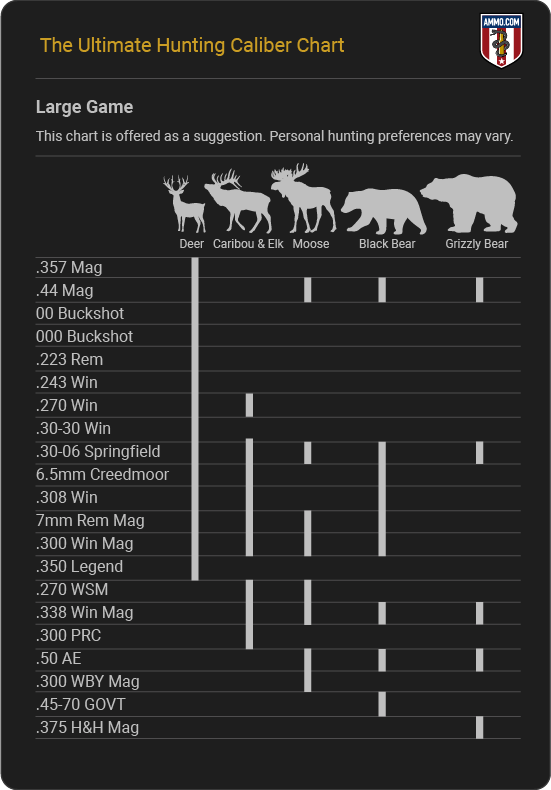
| Weapon | Best Game | Practice Cost | Learning Curve |
|---|---|---|---|
| .22 LR Rifle | Squirrels, rabbits | $0.05–$0.08/round | Low |
| .410 Shotgun | Birds, small game | $0.50–$1.50/shell | Moderate |
| 12ga Shotgun | Turkey, waterfowl | $1.00–$2.00/shell | Moderate |
| .30-06 Rifle | Deer, elk | $1.50–$3.00/round | Moderate |
| Compound Bow | Archery season | $0.20–$0.50/arrow | High |
“Start with a .22 LR. It builds confidence without breaking the bank.”
Focus on accuracy and comfort, not power. A clean kill matters more than caliber size.
Study Your State’s Hunting Rules Cover to Cover
Every state publishes an annual Hunting Regulations Guide. Read it—seriously, all of it.
Know These Key Rules
- Season dates by species and region
- Legal harvest criteria: e.g., “3-point minimum” = antler ≥1 inch long
- Sex restrictions: Some seasons allow bucks only
- Bag limits: Max animals per license year
- Game Management Units (GMUs): Unique rules per zone
Use Digital Tools
- OnX Hunt: Shows public land boundaries, GMUs, roads
- GoHunt Maps: Free with Explore membership (use code PNW)
- State wildlife maps: Official interactive tools
Carry Required Items
Always have:
– Valid license (digital OK)
– Species tags (if applicable)
– Hunter Ed card
– GPS device or app
“Being ethical means knowing the rules—so you never break them by accident.”
Find Land to Hunt—Public and Private Options
Public Land: Millions of Acres Available
Most states offer vast public hunting areas. Use:
– OnX Hunt App: Color-coded property lines, terrain data
– GoHunt Maps: Free scouting layers
– State wildlife agency maps
Focus on less-accessible areas—fewer hunters, more game.
Private Land: Ask and Offer Value
Talk to:
– Family or friends with property
– Farmers dealing with crop damage
– Local landowners (be polite, offer help)
Some lease land for hunting—check regional outfitters.
Try Guided or Mentored Hunts
Guided Hunts
- Fast-track success
- Guides scout, place you, assist with field dressing
- Ideal for first harvest
- Platforms: GoHunt.com, Shad at Sashunts.com
Mentored Programs
- Free or low-cost
- Examples:
- Texas Parks & Wildlife Mentored Hunts
- Becoming an Outdoors-Woman (BOW)
- Hunt to Eat Camps – includes gear, mentors, cooking lessons
“Nothing beats that first kill for motivation.”
Find a Mentor—Your Fastest Path to Success
A mentor cuts your learning curve in half.
Where to Connect
- Hunter Ed Instructors: Often passionate about teaching
- Gun/Bow Shops: Staff know local spots and hunters
- Conservation Groups:
- Rocky Mountain Elk Foundation (RMEF)
- National Wild Turkey Federation (NWTF)
- Ducks Unlimited
- Online Communities: r/hunting, Facebook groups
- State Biologists/Wardens: Call or visit offices
“Talk to every hunter you meet—they’ve been where you are.”
For women:
Programs like BOW and Ladies of the Outdoors offer female-focused mentorship.
Practice Shooting Like a Hunter—Not Just a Shooter
Dry-Fire Drills
- Build muscle memory safely
- Work on stance, breath control, trigger squeeze
- Use snap caps to protect firing pin
Range Practice
- Shoot in realistic positions: kneeling, sitting, off-hand
- Simulate wind, cold, fatigue
- Zero rifle scope at 100 yards (standard for big game)
- Use apps: Hornady Ballistics for bullet drop
Archery Practice
- Shoot at 20–40 yards
- Use 3D targets to mimic real animals
- Practice from uneven ground or mock tree stands
“Practice, practice, practice—it doesn’t matter if you’re using a rifle, bow, or shotgun.”
Build Your Essential Gear List—Start Functional, Not Fancy
Don’t overspend. Start functional, upgrade later.
Core Gear
| Item | Purpose | Recommended Brands |
|---|---|---|
| Boots | Support, waterproofing | Kenetrek, Lowa, Crispi |
| Socks | Moisture control, blister prevention | Smartwool, Darn Tough |
| Layering System | Temperature regulation | Kuiu, Sitka, First Lite |
| Backpack | Carry gear and meat | Stone Glacier, Mystery Ranch |
| Knives | Field dressing | Havalon (replaceable blades), Buck |
| Binoculars | Spot game | Vortex, Leica |
| GPS App | Navigation, avoid trespassing | OnX Hunt, Gaia GPS |
| Game Bags | Protect meat | TAG Bags, Caribou Gear |
| First Aid Kit | Emergency care | Adventure Medical Kits |
| Water Purifier | Safe drinking water | Sawyer Mini, LifeStraw |
Optional but Helpful
- Game cart (for flat terrain)
- Calls (deer grunt, turkey yelp)
- Range finder
- Tree stand or ground blind
Rule of thumb: Comfort and function beat fashion.
Master Basic Hunting Techniques—Ambush, Stalk, or Call
Three Main Styles
- Ambush (Stand Hunting): Wait in concealment near trails
- Spot and Stalk: Glass terrain, locate animal, approach quietly
- Calling: Imitate sounds to draw animals in
Scouting Tips
Use desktop scouting:
– Google Earth: Find water, ridges, funnels
– OnX Maps: Mark trails, rubs, bedding zones
– Hike off-season: Look for scat, tracks, wallows
Control Scent and Sound
- Hunt with wind in your face
- Use scent-free soap, detergent, and sprays
- Avoid smoking, perfume, strong deodorants
- Move slowly, pause often, stay silent
“Silence is everything. I’ve walked right up on bedded deer—just by moving quietly.”
Plan for the Harvest—Avoid Meat Waste
Field Dressing Prep
Learn before you need to:
– Watch Randy Newberg’s YouTube tutorials
– Carry:
– Sharp knife(s)
– Gloves
– Game bags
– Rope or gambrel
– Cool meat fast—leave cavity open, shade from sun
Pack-Out Strategy
Estimate weight:
– Deer quarter: 30–50 lbs
– Elk quarter: 50–70 lbs
Options:
– Backpack out (use load-shelf pack)
– Game cart (on trails/roads)
– Pack animal (horse, mule)
– Call for help (if near road)
“Too many new hunters don’t plan—then great meat goes to waste.”
Legal Requirements
- Some states have wanton waste laws: Must use edible meat
- Report harvest via check station or online portal
Process and Cook Your Meat—From Field to Table
Butchering Options
| Option | Pros | Cons |
|---|---|---|
| DIY | Full control, cost savings | Needs space, tools, skill |
| Pro Processor | Expert cuts, aging, vacuum sealing | $100–$300, wait time |
Start with a pro—learn from their work.
Cooking Tips
- Age meat 7–14 days for tenderness
- Trim silver skin to reduce gaminess
- Marinate in acidic liquids: vinegar, wine, buttermilk
- Try: jerky, burgers, stews, roasts
Recommended Resources
- YouTube: My Curly Adventures, Randy Newberg
- Books:
- The Complete Guide to Hunting, Butchering, and Cooking Wild Game – Steve Rinella
- Buck, Buck, Moose – Hank Shaw
- Call of the Mild – Lily Raff McCaulou
“Host a wild game dinner. Share the experience—it’s part of the joy.”
Grow Into a Lifelong Hunter—It’s a Journey
Six Stages of Development
- Shooting Stage: Focus on accuracy
- Limiting-Out: Harvest as many as possible
- Trophy Stage: Seek big antlers
- Method Stage: Master bow or muzzleloader
- Sportsman Stage: Emphasize ethics, mentorship
- Intrinsic Stage: Hunt for peace, connection, purpose
“The longer you hunt, the more your mindset evolves.”
Keep Learning
- Join local hunting clubs
- Attend banquets and expos
- Read: Outdoor Life, Field & Stream
- Watch: MeatEater (Netflix), BonedOut, Donnie Vincent
Just Get Started—Your Journey Begins Now
The most repeated advice across every source:
“Just get out there.”
You don’t need:
– Perfect gear
– Expert skills
– A mentor (yet)
Start small:
1. Take Hunter Ed
2. Buy a .22 LR
3. Hunt squirrels or rabbits on public land
4. Observe, learn, repeat
Success isn’t just about harvest. It’s measured in:
– Sunrises in the woods
– Skills earned
– Meat on your table
– Connection to the wild
“Slow down and enjoy it. Hunting is about unplugging, escaping the rat race, and seeing God’s creation up close.”
Your journey begins now. The woods are waiting.

0 Comments